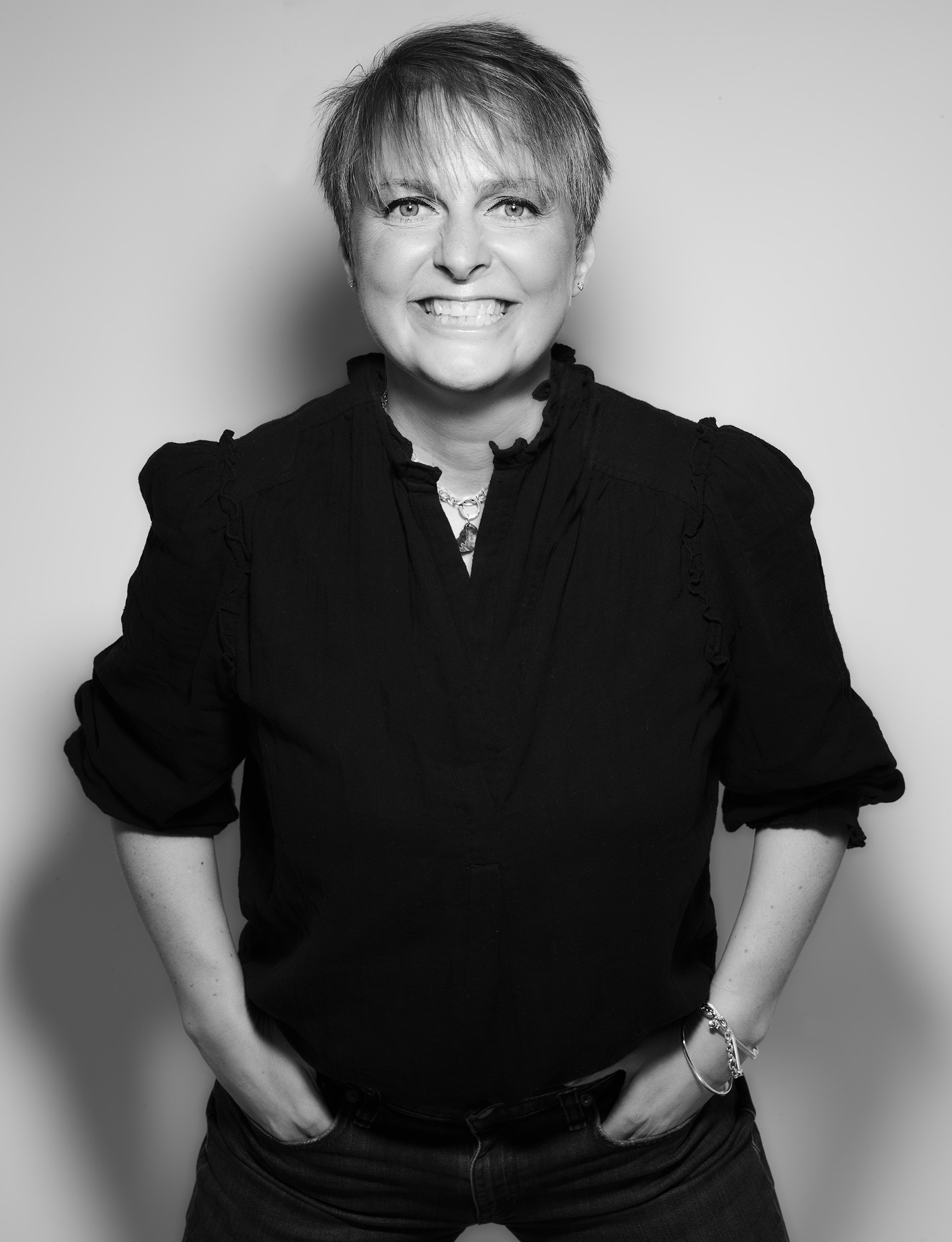
Rachel Vale
Art Director - Children's Fiction, Non Fiction & Poetry at Pan Macmillan
Could you tell us about your career journey and what led you to your current role as Art Director at Pan Macmillan Children’s Books?
I started my career in the television industry, designing artwork for set graphics and styling. However, my passion soon drew me to publishing, where I saw a unique challenge in visually translating narrative. I began as a designer at a small independent publisher. Then, I moved to an educational publisher before joining Pan Macmillan.
My initial focus at Pan Macmillan was on children's illustrated books. This role significantly developed my skills in art direction and commissioning, particularly for middle-grade titles, and more recently, graphic novels and romantasy. I was attracted to Pan Macmillan by the impressive heritage of its children's list and its forward-thinking approach to contemporary publishing. As Art Director, I now oversee the entire breadth of the list, ranging from debut fiction to complex non-fiction and poetry.
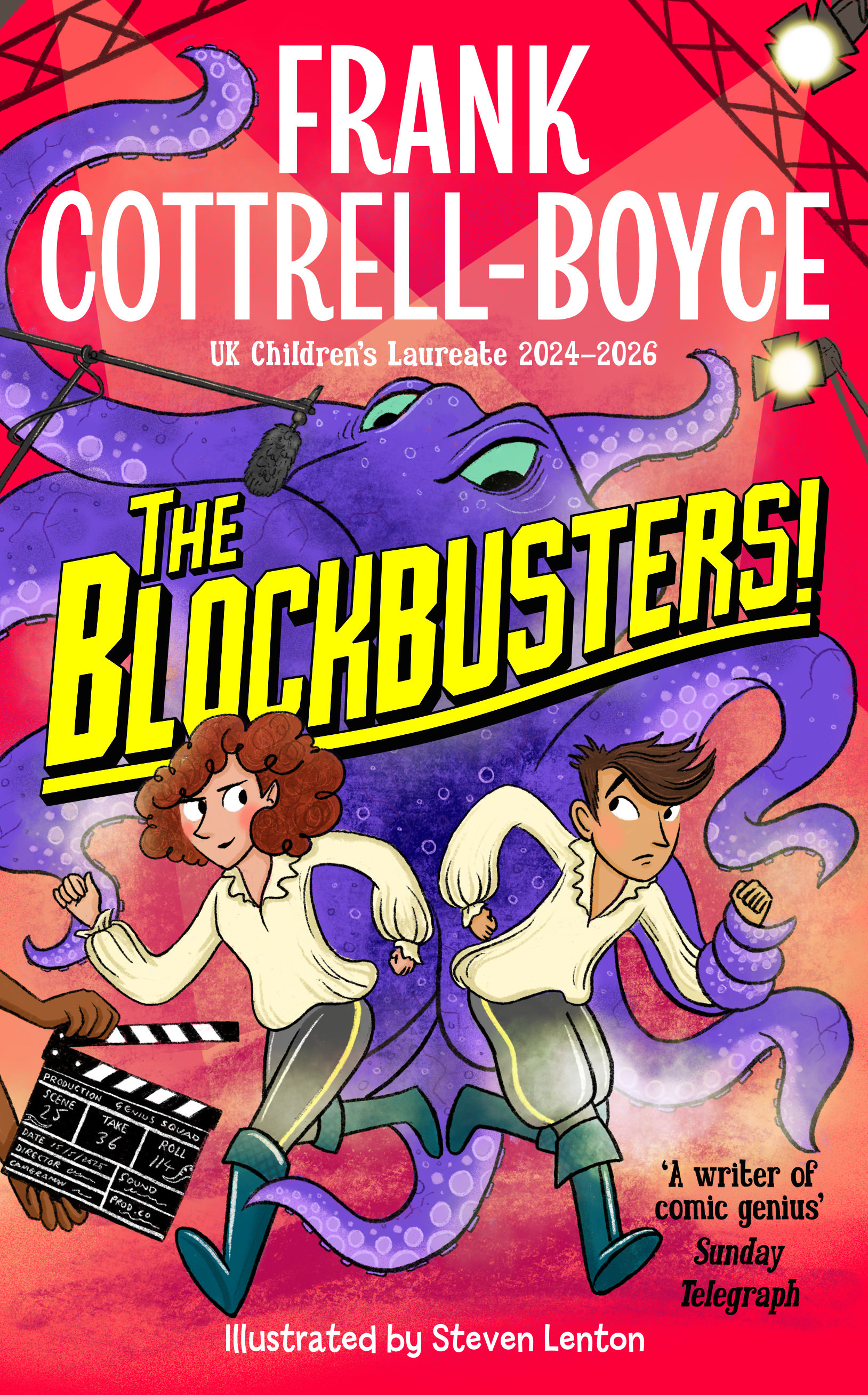
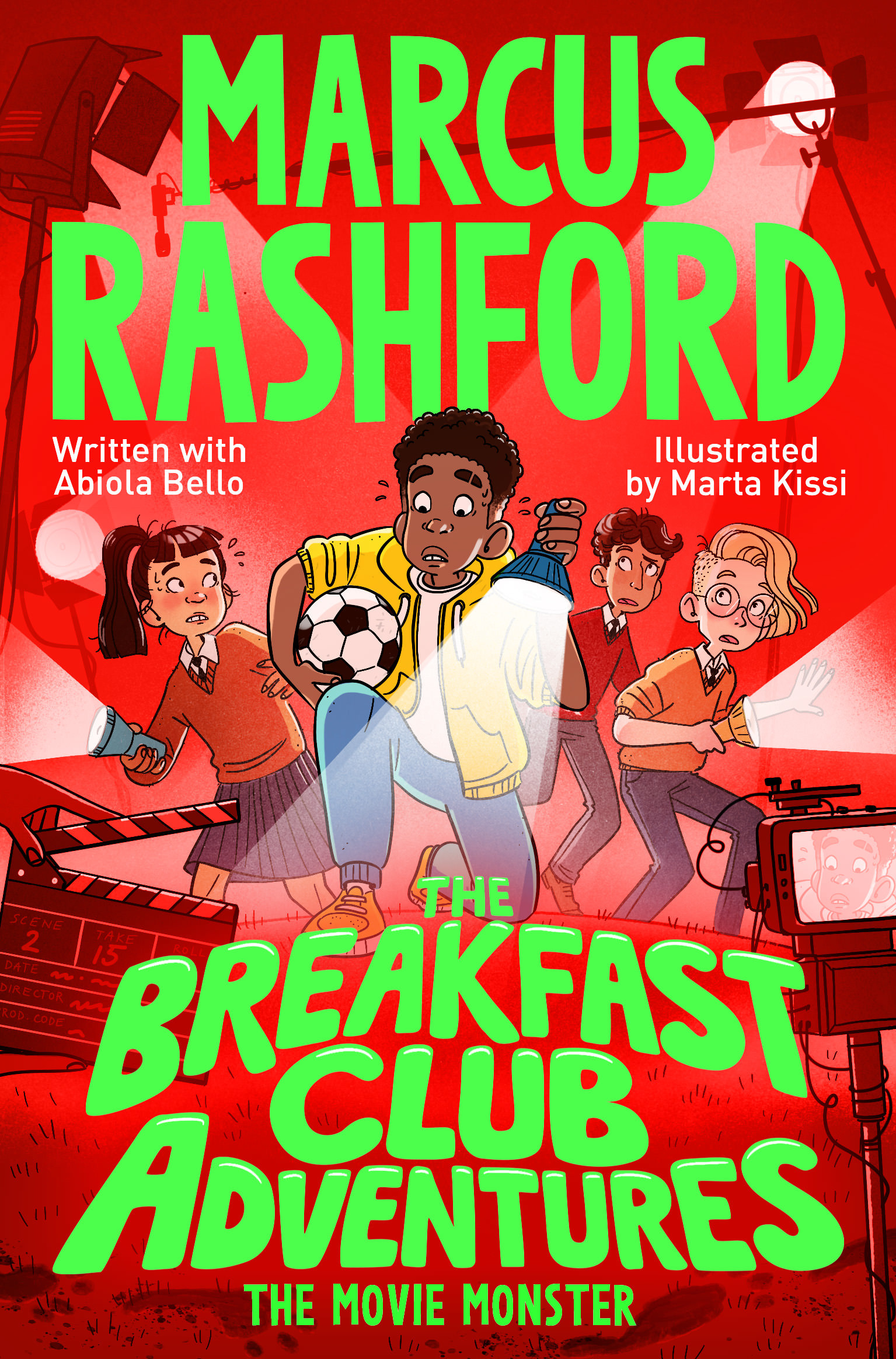
You oversee fiction, non-fiction and poetry - how does your design approach differ across these categories?
The fundamental goal of book cover design is always to create a connection, but the execution varies significantly. Fiction, especially Middle-Grade and YA must immediately signal the genre and create emotional resonance while staying authentic to the author's voice, aiming to entice the reader and hint at the story's core without giving everything away. In contrast, poetry is typically more conceptual and subtle. Design elements are focused on reflecting mood and rhythm, and the imagery of the cover is often less literal. Finally, non-fiction, particularly illustrated, requires the most informational and structural design thinking; here, the cover and interior design must prioritise clarity, hierarchy, and a strong sense of visual storytelling to make complex, factual content digestible, engaging, and highly navigable.
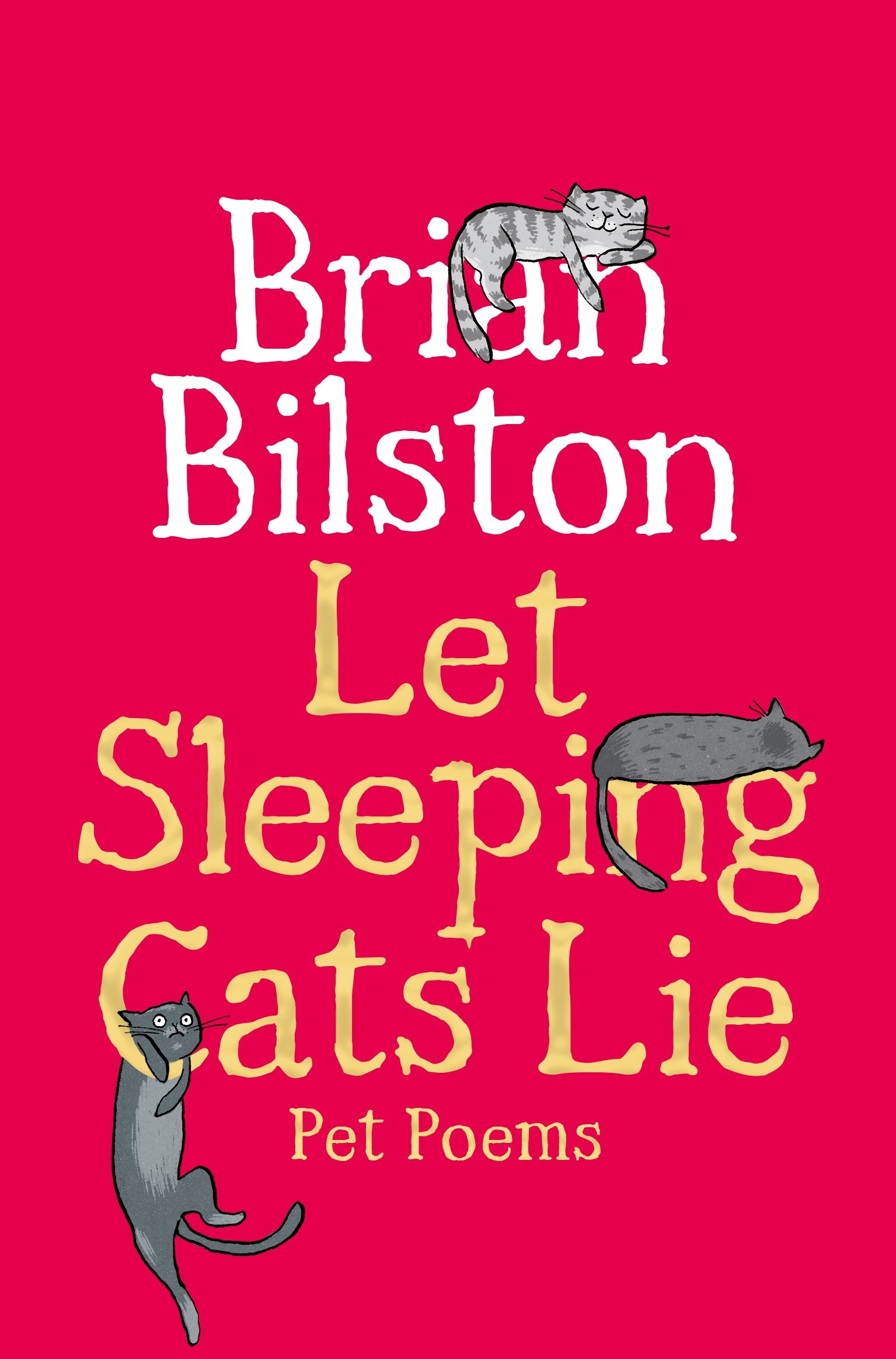
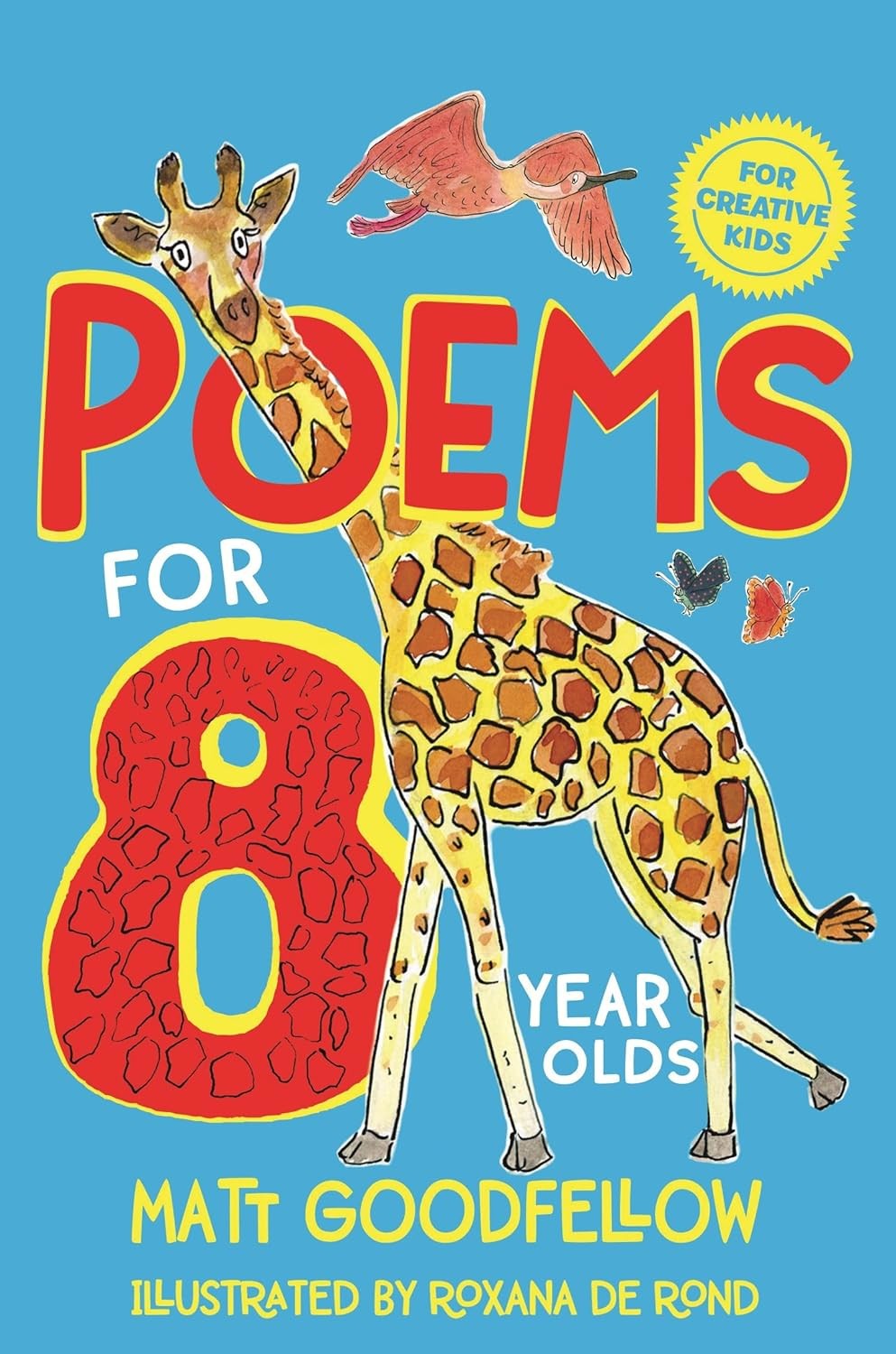
How would you describe the visual identity of Pan Macmillan’s children’s list, and what makes it stand out within the wider market?
Our visual identity is defined by a blend of contemporary charm and enduring quality. I’d like to think we are characterised by our dedication to commissioning illustrators with distinctive, yet immediately recognisable styles. We deliberately try to avoid fleeting, trend-driven aesthetics, instead championing talent we believe will have lasting appeal. Rather than adhering to a single house style, we serve as a platform for a variety of artistic voices. What unites them is a shared commitment to originality and craft, which ensures every book we produce is both unique and collectible.
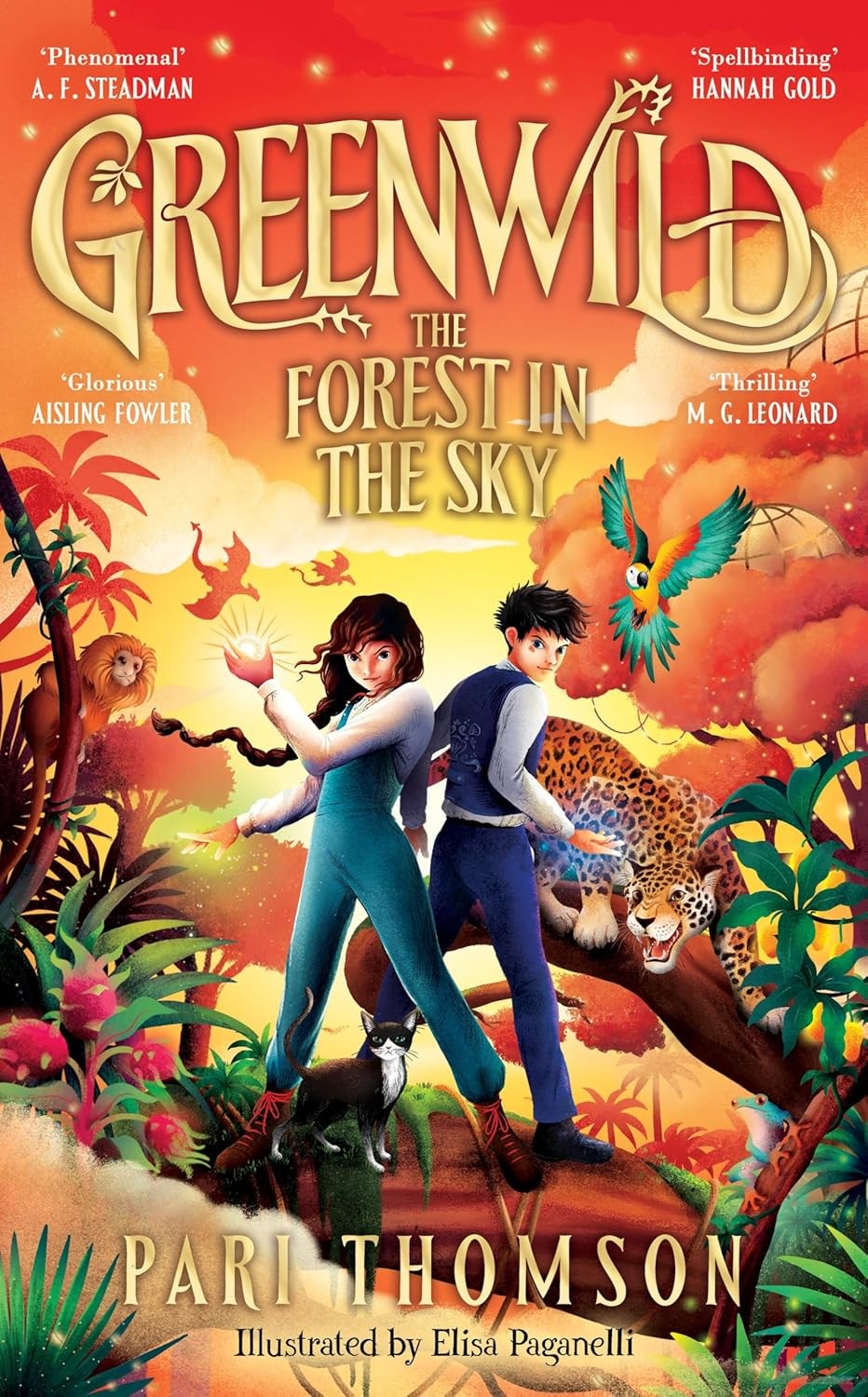
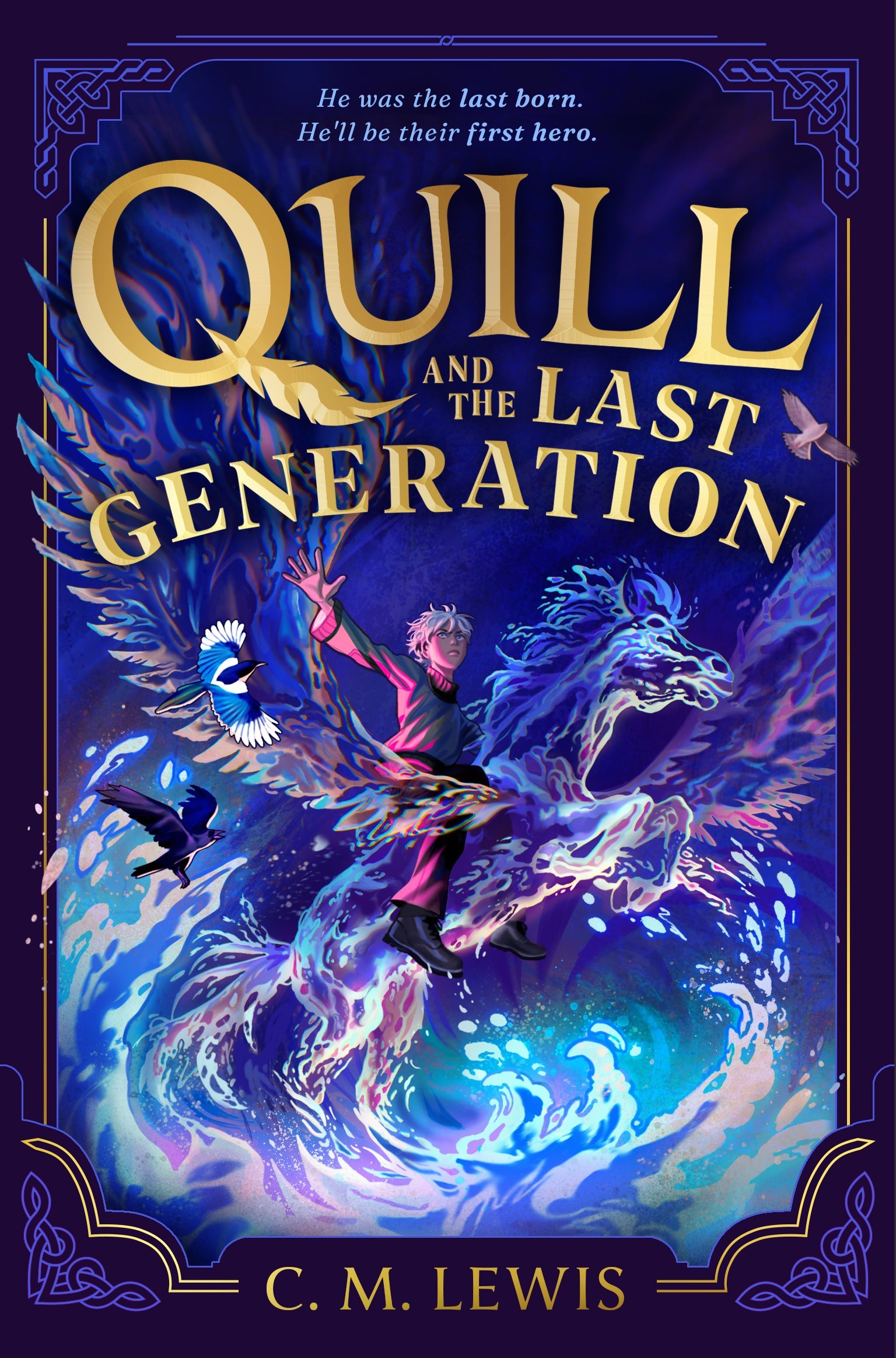
When you’re commissioning illustrators, what qualities or skills do you look for that align with Pan Macmillan’s creative vision?
Beyond obvious technical skill, I look for three main qualities: a unique personal voice which isn’t derivative of current trends. The ability to interpret the narrative and brief intelligently rather than literally. And the capacity to collaborate, take direction, and meet tight deadlines while maintaining the integrity of their work.
When reviewing portfolios on Childrensillustrators.com - what makes an illustrator’s profile or presentation catch your eye?
The first thing is probably curation. I personally prefer a tightly edited portfolio that showcases 10-15 of what they consider their best and most versatile pieces, rather than 50 average ones. Clarity is key: their style should be instantly apparent. Secondly, I look for varied applications of their work that shows range within their signature style. Finally, I appreciate a profile that indicates they have a good understanding of the commercial needs of publishing, perhaps by including examples suitable for different age groups or genres.
Can you share a recent title that was particularly rewarding to design or art-direct, and tell us what made that collaboration successful?
One of the most rewarding projects was A Nursery Rhyme for Every Night of the Year by Allie Esiri. Although I have had a successful, established illustrator collaboration for over a decade, I decided to explore a new partnership for this particular title, given its nursery rhyme focus.
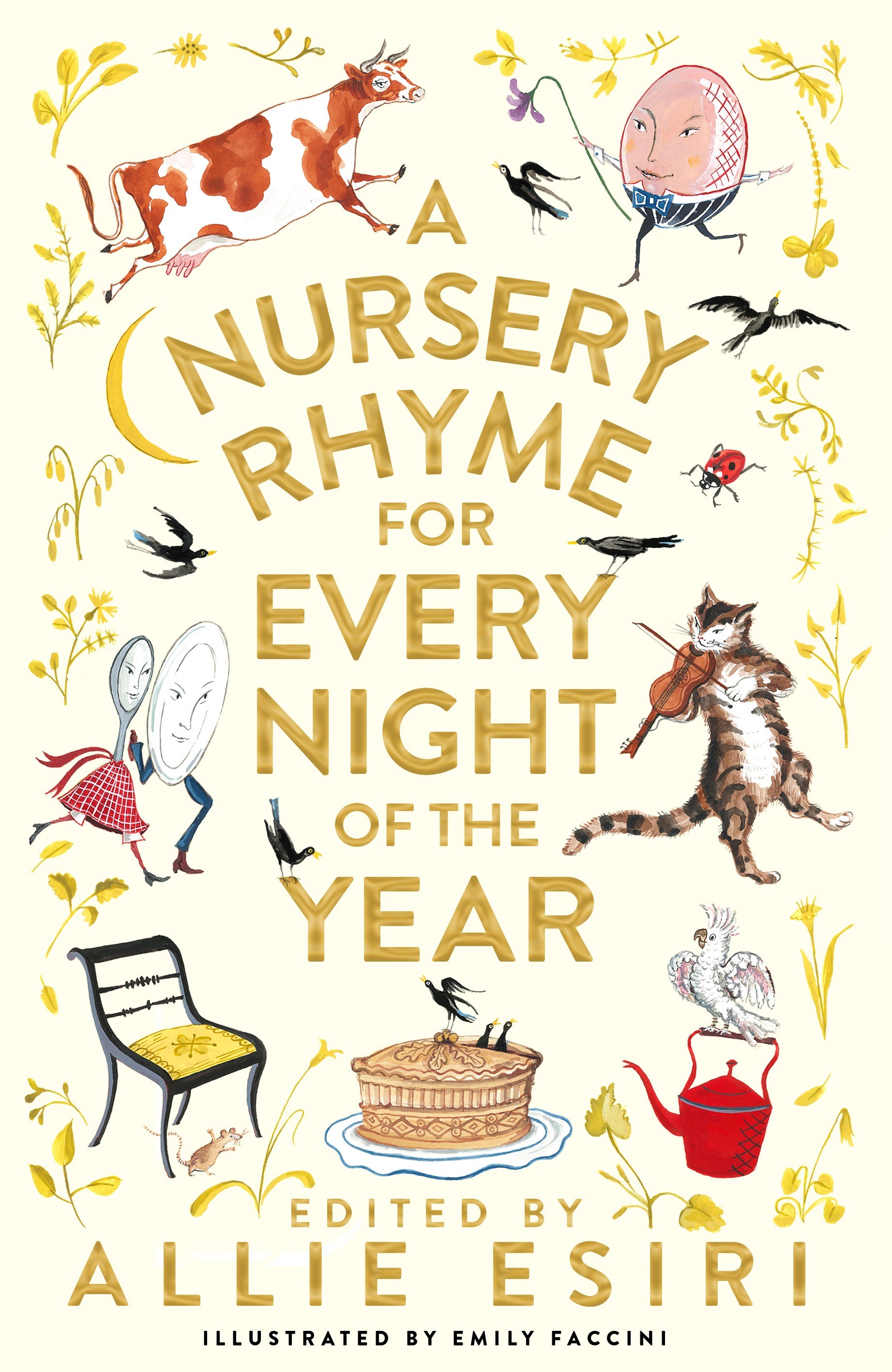
For the first time, I commissioned Emily Faccini, a fantastic illustrator perhaps best known for her amazing map-making. Working with Emily was, in all my years, one of my favourite and most joyous projects. She was incredibly generous, always keen to understand and expand on the brief. We would often FaceTime, and I loved being transported into her magical world as she created. I highly valued our discussions, where we both contributed, challenged, and encouraged each other to reconsider every detail. It was an incredible treat.
How do you and your team balance creativity and commercial considerations when developing covers for fiction and poetry?
It’s a constant negotiation. We start with the commercial imperative: Who is the target audience? What are the market signals (colour, typography styles, imagery) for this genre? Once we understand these, we then aim to question and progress them creatively. The cover should function as a strong piece of commercial signposting while also being artistically distinct. For instance, we might use what’s considered a recognisable genre typeface but pair it with an unexpected illustrative colour palette or composition to ensure it stands out amongst the competition.
Pan Macmillan publishes a range of illustrated non-fiction. How important is visual storytelling in making factual content engaging for younger readers?
Visual storytelling is essential for transforming non-fiction from a simple informational resource into a truly immersive experience. For younger audiences, illustrations do more than just complement the text; they often serve as the most accessible carriers of key information.
Illustrations need to simplify complex facts while simultaneously adding personality and humour to keep readers engaged. Our aim is to structure spreads as scenes on a continuous journey, ensuring a logical flow that guides the reader, making the processing of factual content both beautiful and effortless.
What trends or shifts in illustration and children’s design are you most excited about at the moment?
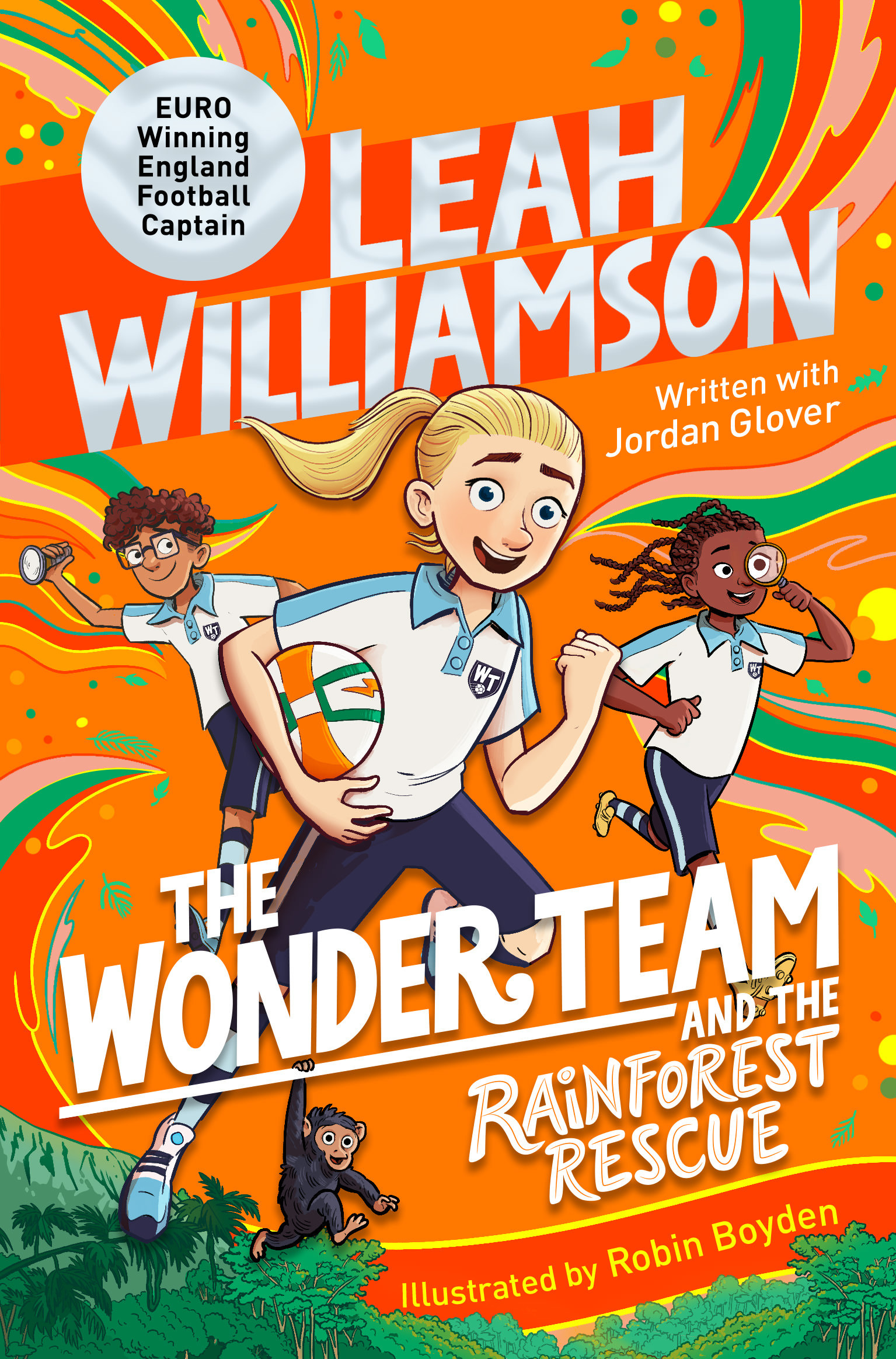
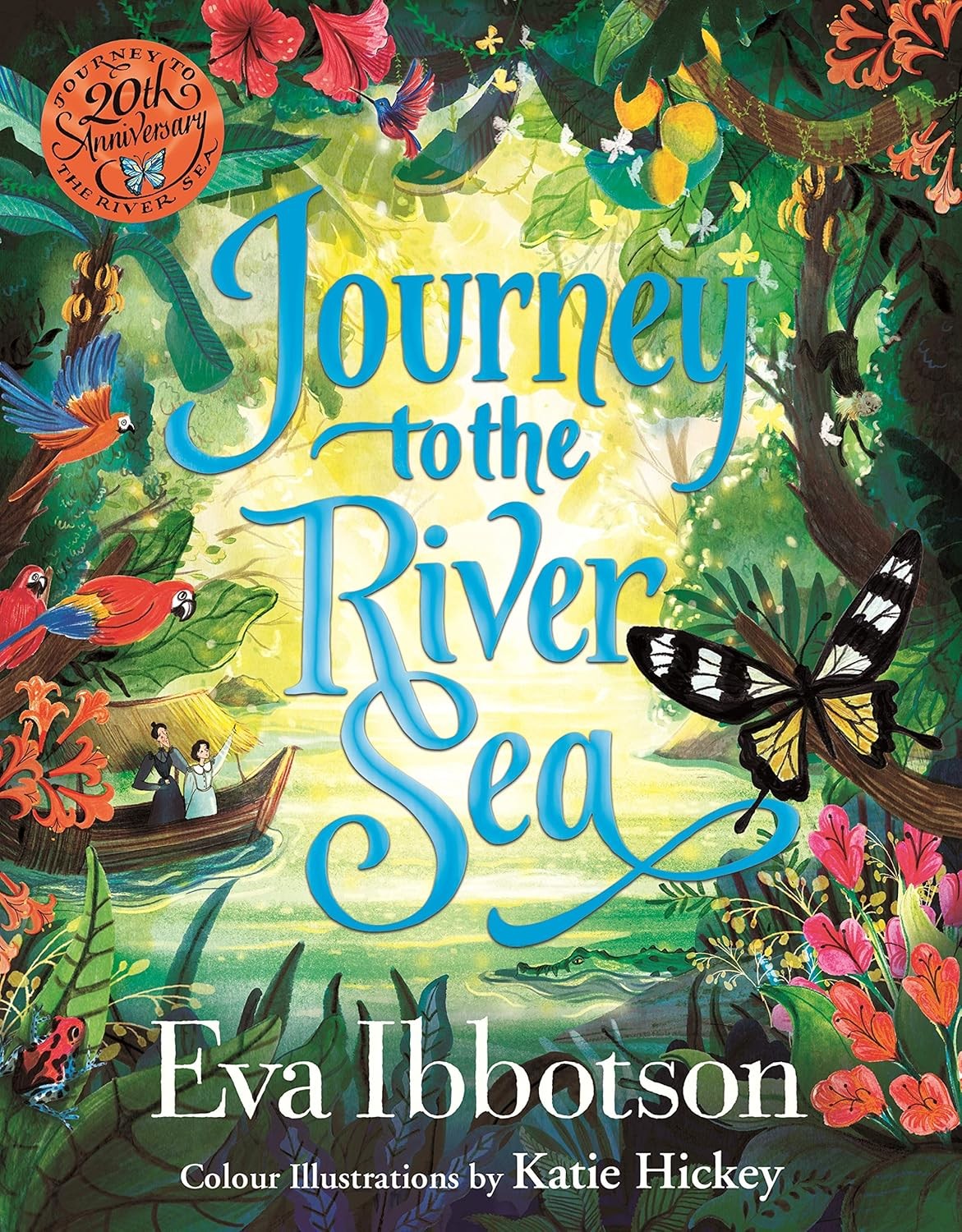
What excites me most is the growing global diversity in illustrative talent and styles being commissioned. This is creating a richer, more inventive visual world for all ages. It introduces fresh perspectives and moves beyond the narrow, traditional view of what 'children's illustration' should be.
You work closely with both in-house and freelance illustrators. How do you foster strong creative relationships and ensure consistent visual quality?
It’s pretty simple – trust, clear communication and mutual respect. Providing comprehensive briefs that clearly articulate the creative vision, as well as the more boring stuff like technical specifications, and the budget / timeline upfront. Providing constructive feedback (and offering solutions where appropriate) over criticism strengthens the relationship with the illustrator as a co-creator and fosters mutual respect.
What does a typical day look like for you as an Art Director, and how do design and editorial teams collaborate throughout a project’s life cycle?
A typical day is a mix of strategic meetings, managerial duties and practical tasks. I might spend the morning reviewing a project's cover concepts or initial sketches, followed by a priorities planning meeting to discuss the next 12 months of our lists and finally a catch-up with a colleague in the art department.
Collaboration with editorial is constant and begins at acquisition. Design can contribute to market feedback on proposed manuscripts or suggest potential illustrators before a contract is signed. Throughout a project's life cycle, we maintain a strong partnership, collaborating in weekly cover meetings to ensure the visual interpretation aligns perfectly with the text and the overall project strategy, from initial concept right through to print.
Which illustrators or designers have influenced your own visual taste and design philosophy?
I’ve always been quite influenced by mid-century European design, for example, someone like Bruno Munari and his bold use of colour. In terms of Children’s illustration, it may sound like a cliché but Quentin Blake and the warmth and energy of his work continues to be an inspiration. I also love the work of Isabelle Arsenault, and her beautiful use of texture and narrative depth.
I admire the commitment all of these artists show to simplicity, clear communication, and the idea that the best design should be deeply considered but look effortless.
Are there any upcoming Pan Macmillan titles or series you’re especially excited about that showcase fresh illustration talent?
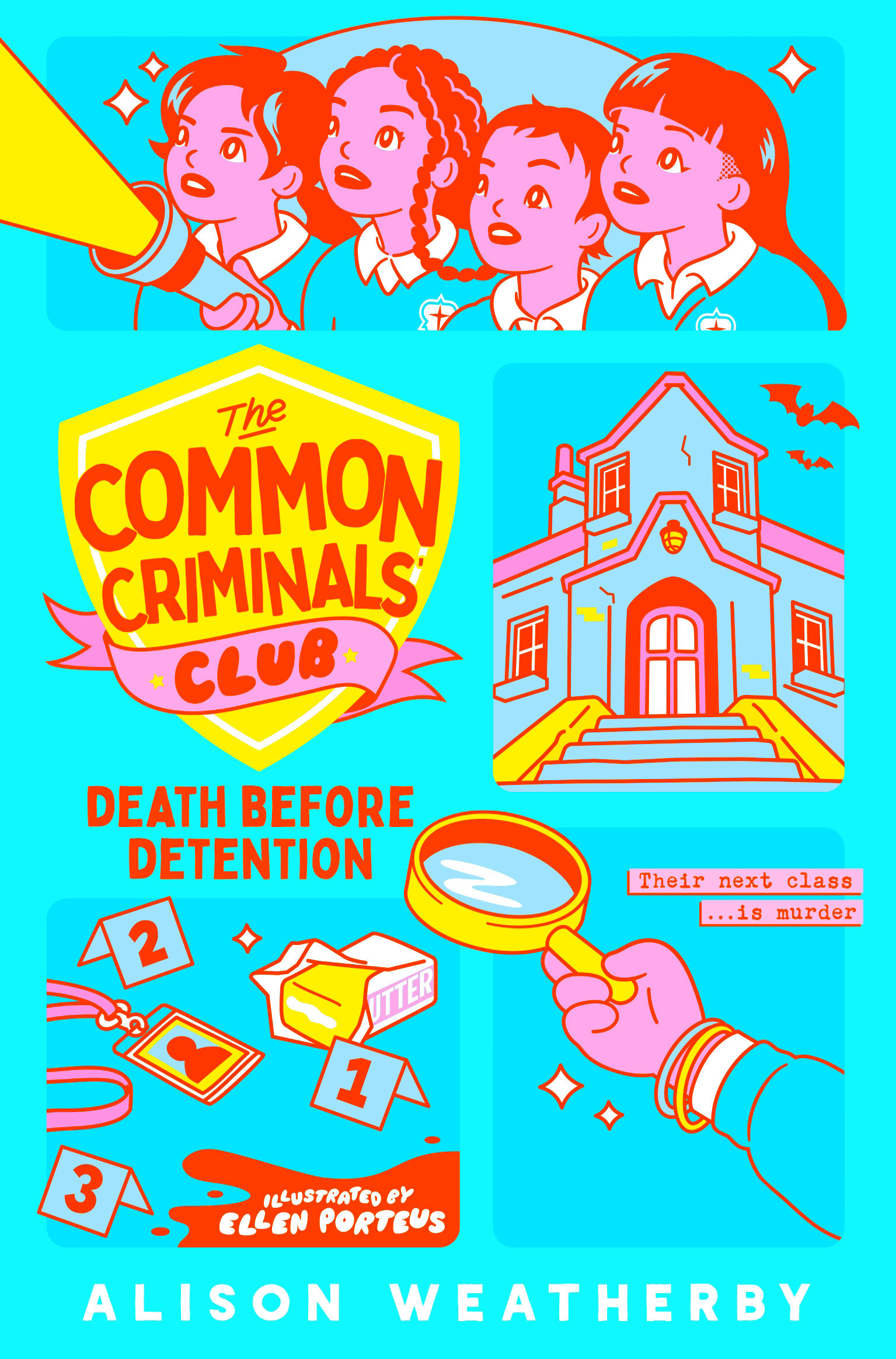
I'm thrilled that one of our designers has commissioned Ellen Porteus to work on a new upper middle grade cosy crime series. Ellen is an established artist known for her vibrant, maximalist style, but she’s a relatively new voice to children's publishing, and I am excited to see how her collaboration with the designer will elevate this fantastic project.
How do you see the role of illustration evolving within children’s fiction and poetry over the next few years?
I think illustration is probably set to become more central to storytelling, moving away from a peripheral role. In fiction, I imagine a stronger focus on integrated design elements that build atmosphere and drive narrative pace, effectively bridging the gap between traditional middle-grade books and graphic novels. In terms of poetry, I wonder if we’ll see increasingly sophisticated design approaches that can engage diverse, multi-generational audiences. Ultimately, illustration will bear more of the emotional and narrative weight as visual literacy continues to develop. Something I am more aware of at the moment is the impact of evolving AI technology. I believe it’s important now more than ever for the creative community to come together and support each other.
Finally, what advice would you give to illustrators hoping to work with Pan Macmillan or other large publishing houses today?
Research the Publishers list and identify how you might creatively contribute. Be professional and persistent. Have a clear, easy-to-navigate platform for showcasing your work, respond promptly, meet deadlines, and present your work clearly. But above all be proud of your distinctive style and own what is uniquely yours. If you celebrate this, chances are others will champion it too.