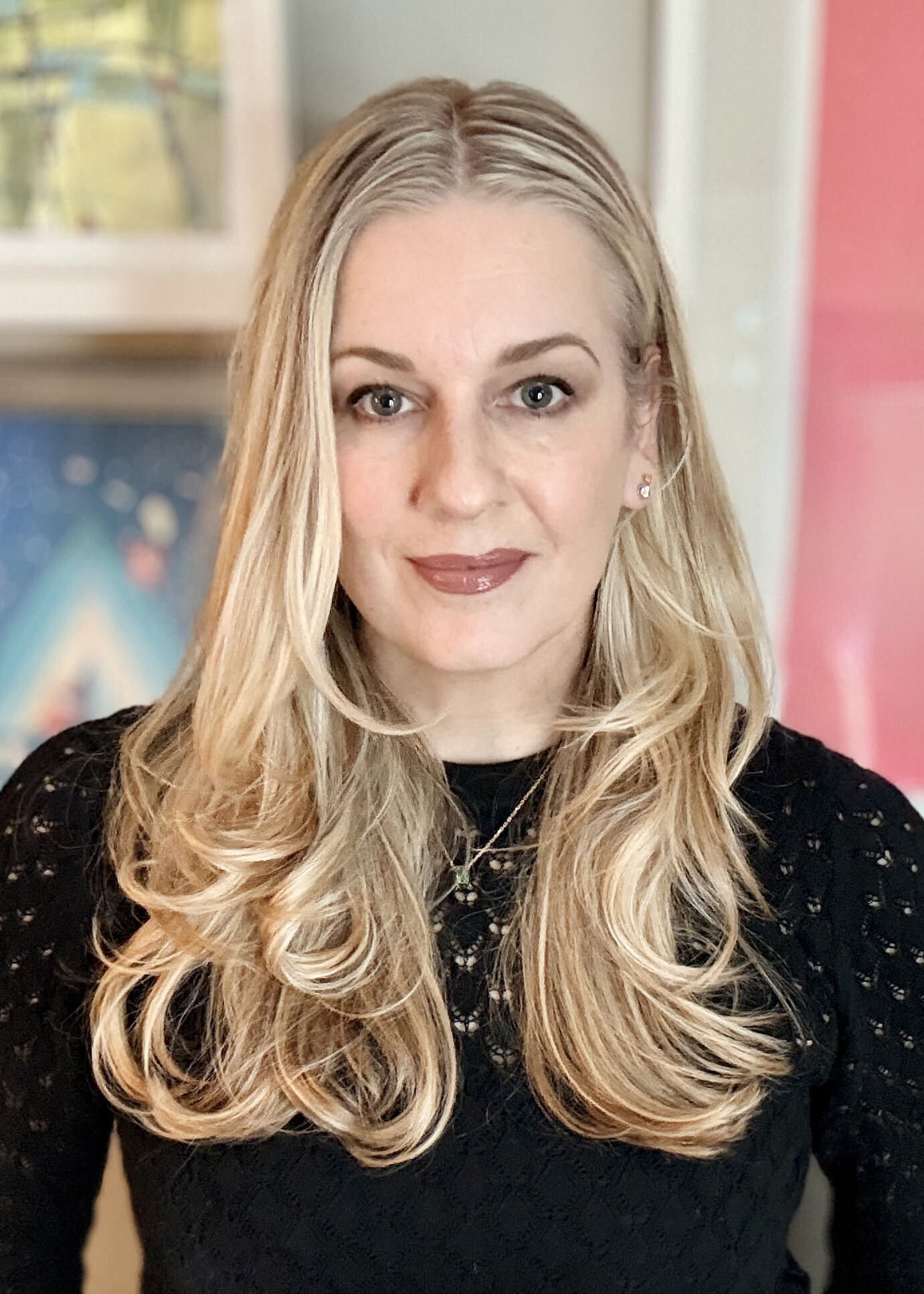
Lynn Portnoff
VP, Executive Art Director - Penguin Workshop
You've spent over a decade at Penguin Workshop, moving from designer to Art Director to VP and Executive Art Director, which is rare depth within one house. What has stayed genuinely exciting about children's book design across that time, and what has changed most fundamentally?
What I love most about children's publishing is that as an industry we are driving culture. The way a children's book looks and the message it sends captures a moment in time. I started with Penguin Workshop in 2014 as a designer, promoted to Art Director in 2018, and VP and Executive Art Director in 2025. I've seen a lot of growth and change in our imprint. The only thing that hasn't changed in that time is the drive to make the best possible books that we can. Penguin Workshop is always asking what's next, what's more inclusive, what hasn't been done yet.
What first drew you to design, and what was your route into children's publishing specifically?
From a young age I can remember being fascinated with design. I grew up in NYC, and I remember being in the car staring out the window noticing the lettering of the store signs. In elementary school I designed layouts on my bedroom walls with photos I clipped from magazines and ads from the 1960s that I bought from vintage shops. Many hours spent drawing led my mom to point me in the direction of graphic design and then on to art school. One of my first jobs was designing home video packaging for an art house film distributor. Later this led to another job doing the same thing but this time it included children's content. I fell in love with children's art house animation. As I looked to the future, my next natural career progression was children's publishing. I may have taken the long way here, but I feel like I found a home at Penguin Workshop.
Penguin Workshop is about to launch a new imprint, Tinker, focused on commercial, design-forward board and picture books built for play, with die-cuts, pop-ups, and other inventive formats. What can you tell us about it, and what excites you most about building something new like this?
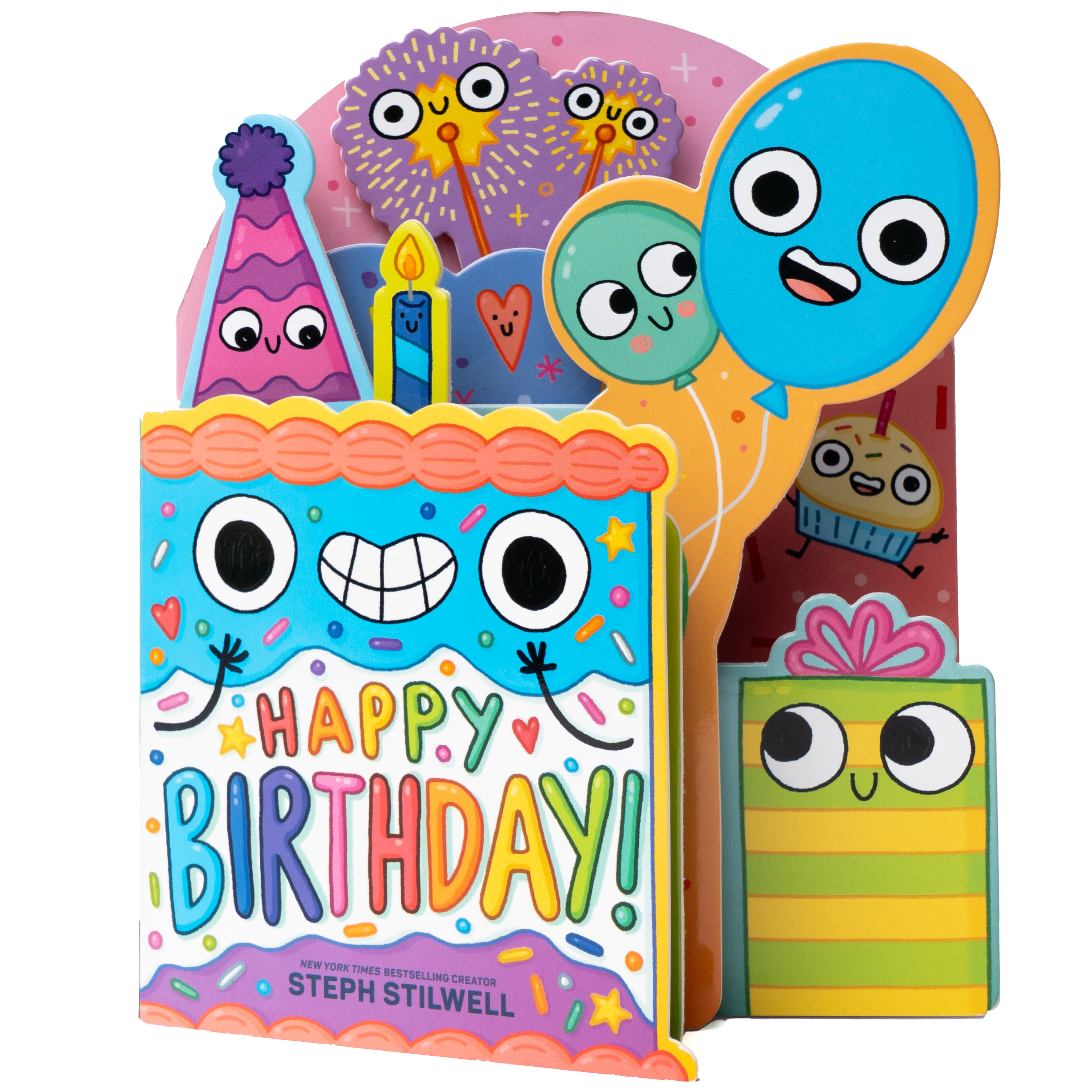
Tinker is exciting to me because it evolved from a genuine joy of picking our favorite creators and manuscripts to publish. Steph Stilwell's book is a prime example of what we want these books to be. Her art is adorable, well considered, and tons of fun to read. What excites me most about this imprint is that because we are always going to be looking for what's next, we're not locked into a super specific style except that it should be fun, bright, colorful, and engaging.
When you're browsing portfolios, what stops you in your tracks? Is it a single image, a body of work, or a particular quality that's hard to put into words?
When I'm browsing portfolios, what stops me in my tracks is consistency, volume, and versatility — an artist who can do characters as well as scenery. When I see a portfolio with a ton of consistently stunning art, it gives me confidence that they will take the manuscript and run with it and deliver a beautiful book.
Are there recurring mistakes you see in how illustrators present themselves or their work that you wish someone had told them earlier?
If an artist is confident that they can work in multiple styles, I would love to see that. Sectioning their website so it's clear that each style is equally well executed is key. You don't want it to look like one of your styles is a hobby. Aside from that, websites do not have to be fancy. In fact, the simpler the better. I would also like to see a full Instagram page. I love finding work that isn't on their website to add to the pitch deck. I also like to hear about an artist's personal story in their bio. It really helps to connect artists to the right manuscript.
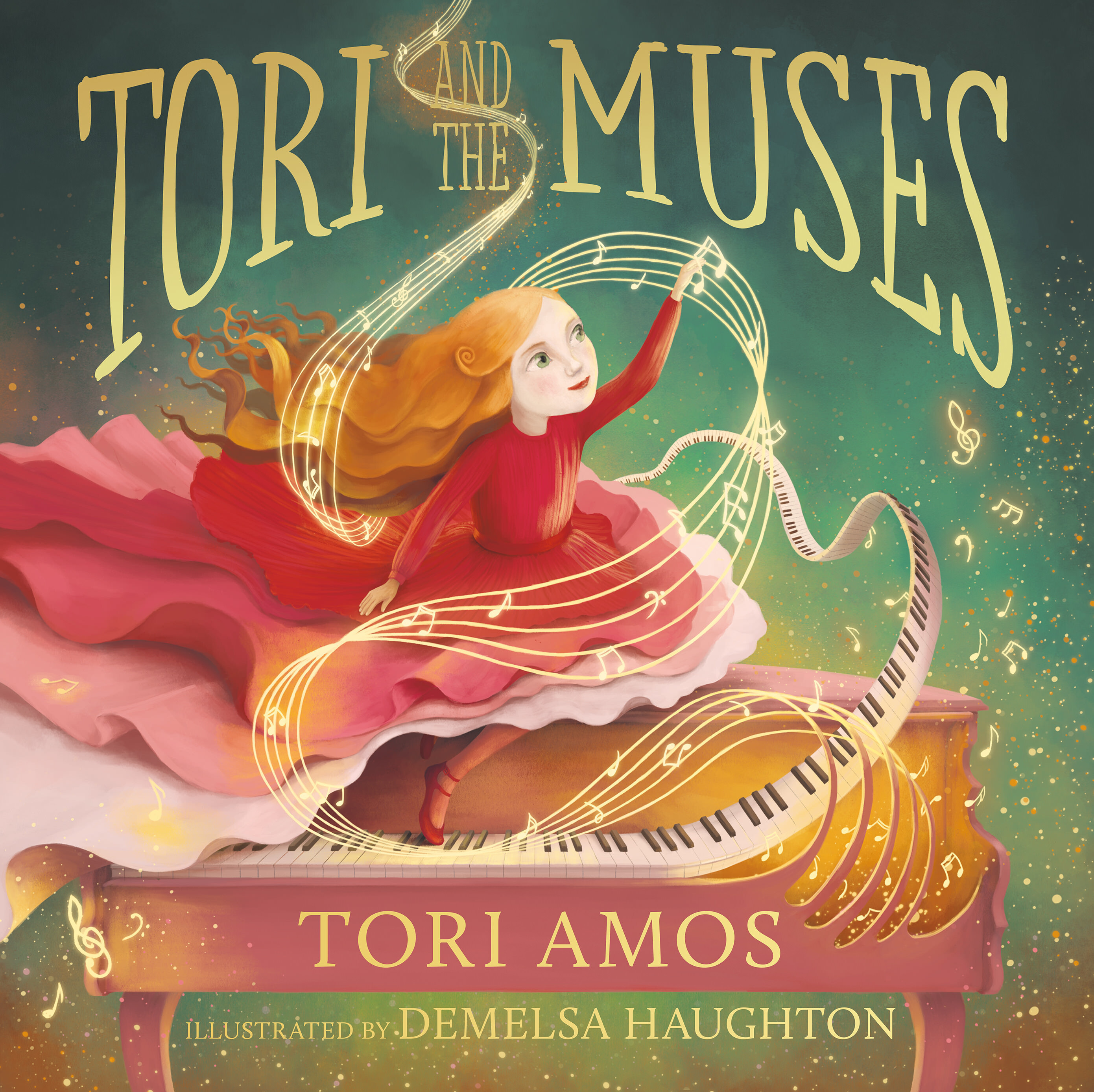
You art directed Tori and the Muses, with Tori Amos bringing a very specific artistic vision. What did Demelsa Haughton's illustrations do that you couldn't have anticipated when you first read the manuscript?
Demelsa Haughton is a rare and incredible talent. Tori Amos is a magical writer and delivered equally descriptive art notes. In Demelsa's hands, the story was taken to another realm. She makes every inch of the page feel like you have been transported. Every inch of the characters, from fingernails to shoes, and the most minor details in the settings, such as the shape of the window frames, are considered. These all work together to pull you into a place where you truly believe that a pink piano can fly.
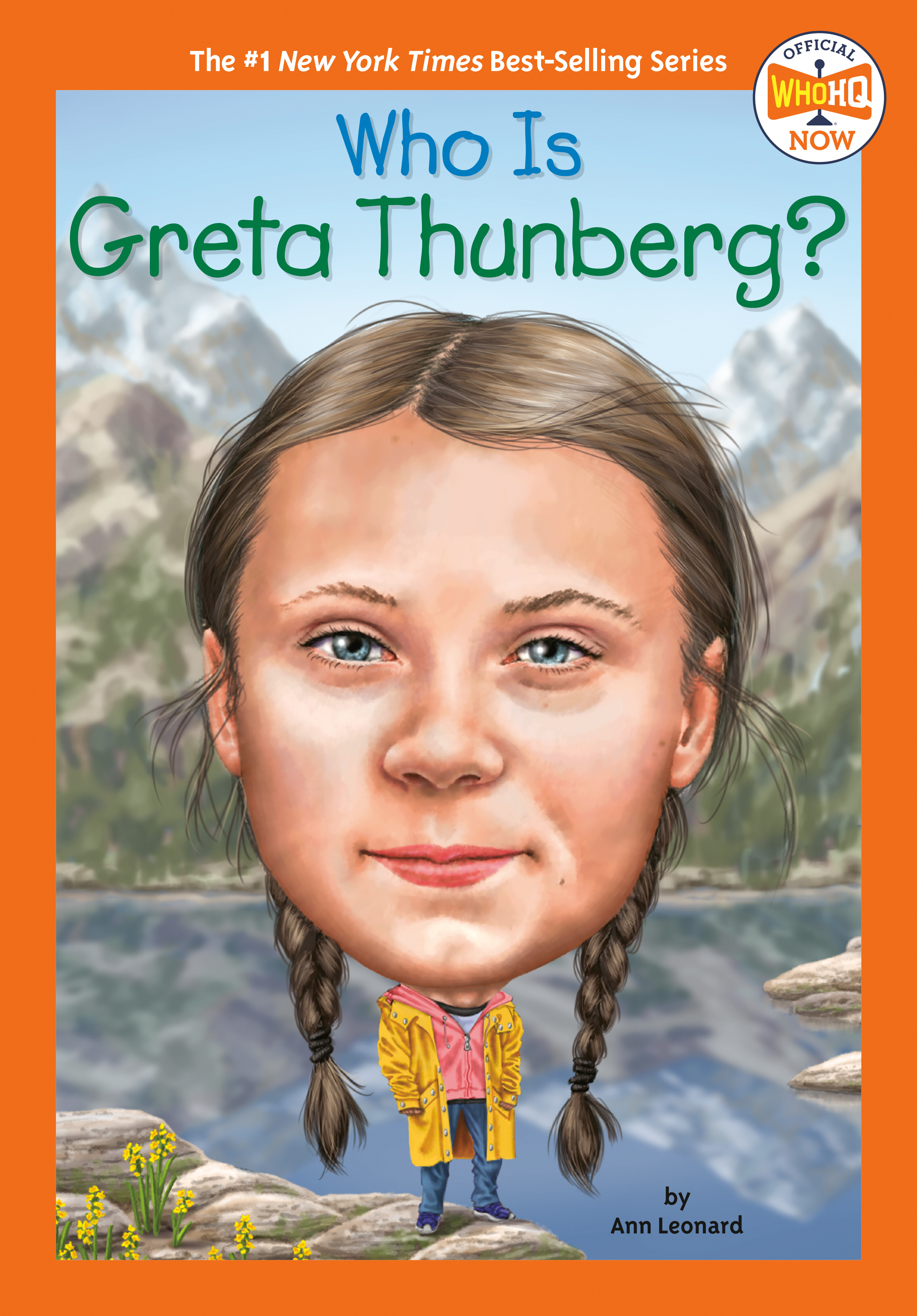
You oversee the Who HQ series, one of the most recognizable formats in children's non-fiction. What's the brief you give an illustrator joining that series for the first time, and what does a great interpretation of that brief look like?
The Who HQ series is near and dear to my heart. It is the first book series I worked on when I started as a book designer. Because this is a long-running series, it's easy to give a brief with examples of past books to point to and say, "Match that!" The art direction we give cover illustrators is first and foremost that the bobblehead is the star of the show, then working in the details and scenery around it. For the interior, which is 1-color line art, we typically use a classic American illustration style, but over the years I have started to mix it up and look at more loose or cartoony-leaning styles. As long as the artist is good at likenesses and imagined historic or non-fiction scenes, I'm willing to consider them.
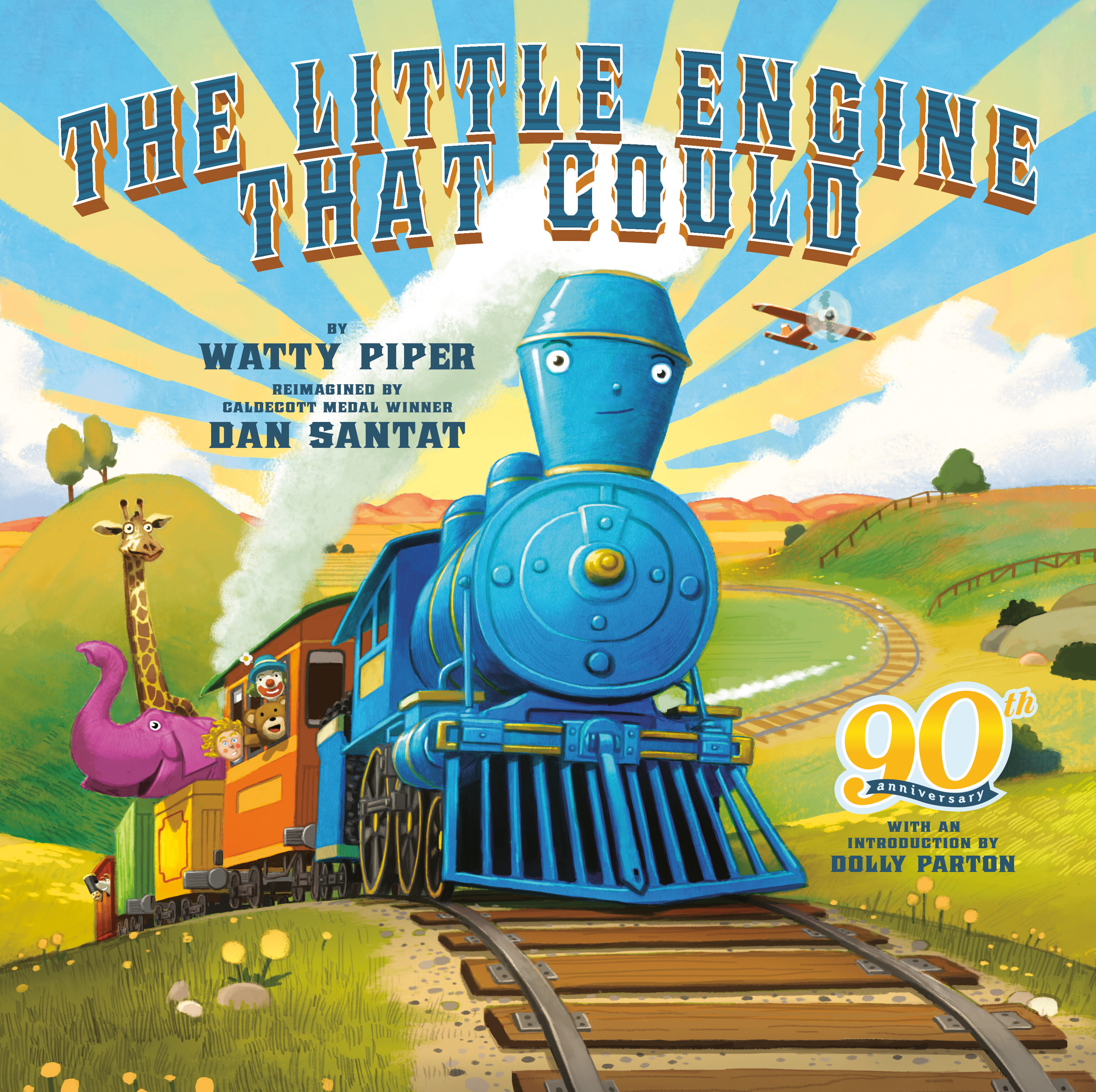
The Little Engine That Could 90th Anniversary Edition carries enormous legacy. What was the hardest design decision on that project, and how did you and Dan Santat work through it together?
The Little Engine That Could 90th Anniversary Edition does carry an enormous legacy, and we really wanted to get it right. When we were brainstorming big names to do this version, Dan Santat's name came up and I was like, "Yes! That's the artist! He's going to nail it!" He was given artistic license, but he had to stay true to the basic character descriptions. The only tricky part was the expression on Little Engine. She has to look confident and resolute but adorable. There was a lot of back and forth on the subtle tilt of the eyebrows, but we got there. I am so proud of how this book turned out and how well it continues to sell.
With so much shifting in children's media right now, do you think the appetite for genuinely distinctive illustration in picture books is growing or being squeezed?
I think there seems to be a little more interest in art that looks like it's done by hand, and this includes digital artwork. I think people want to see the brush strokes whether they are by a physical or a digital brush; the little imperfections show that it was human-made. I'm seeing a lot of creators posting their process as proof their art was made by them. That said, I also work with a lot of licensed brands that must look polished and modern, so there is still plenty of room for all styles of art.
Is there a style, mood, or approach in illustration that feels underrepresented in the market right now, something you'd love to see more of?
I'd love to see more realism for picture books that look modern but not stylized. It seems like there aren't a lot of new artists who are interested in that style and how it would translate into something fresh and not what we've seen before.
Is there a project on your list right now, whether at Workshop, Rise or Tinker, that you're especially excited for readers to discover?
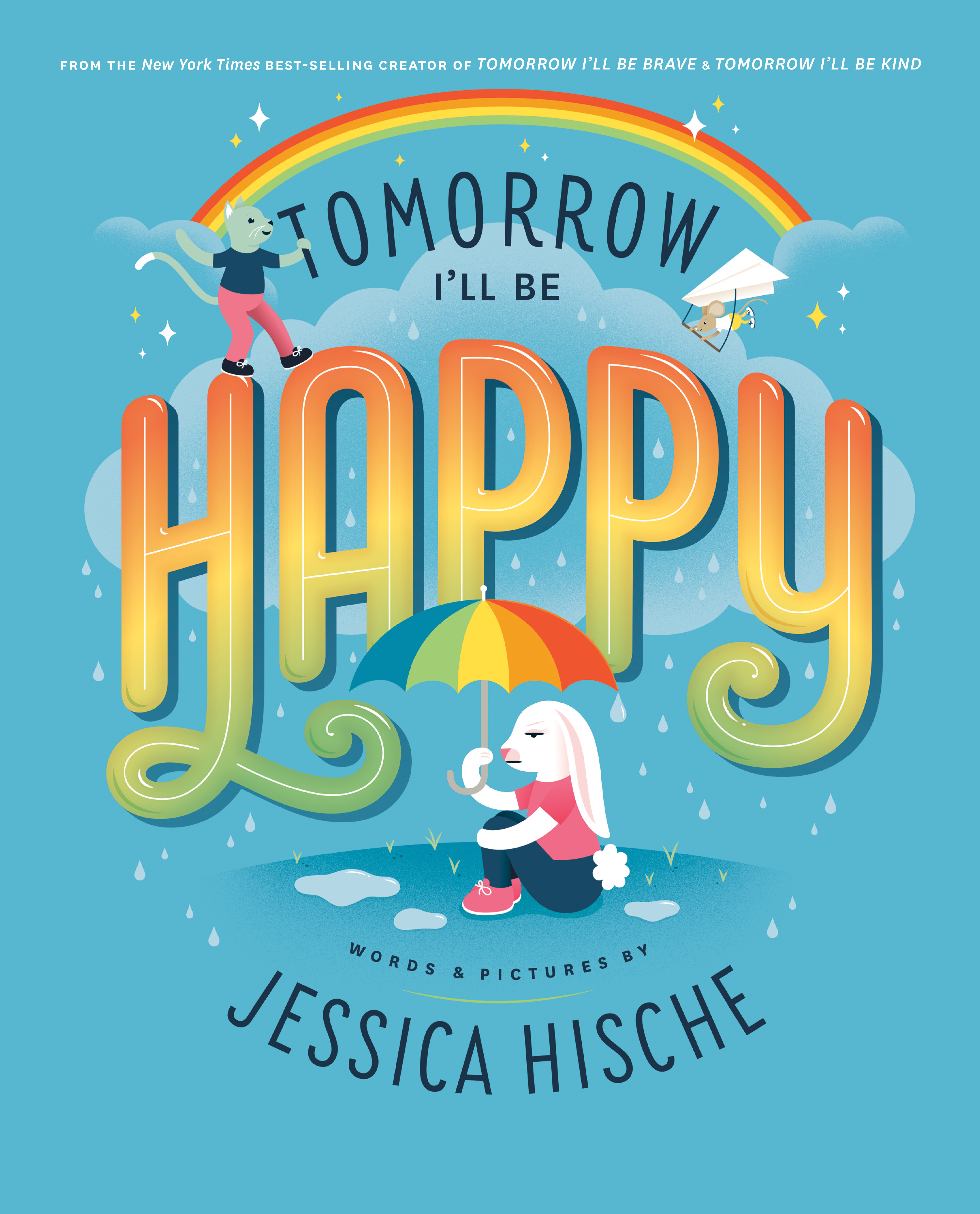
From Workshop, I'm really excited about Jessica Hische's third picture book in the Tomorrow I'll Be series, called Tomorrow I'll Be Happy. Her inventive hand lettering once again takes center stage, and I think it's her best one yet!
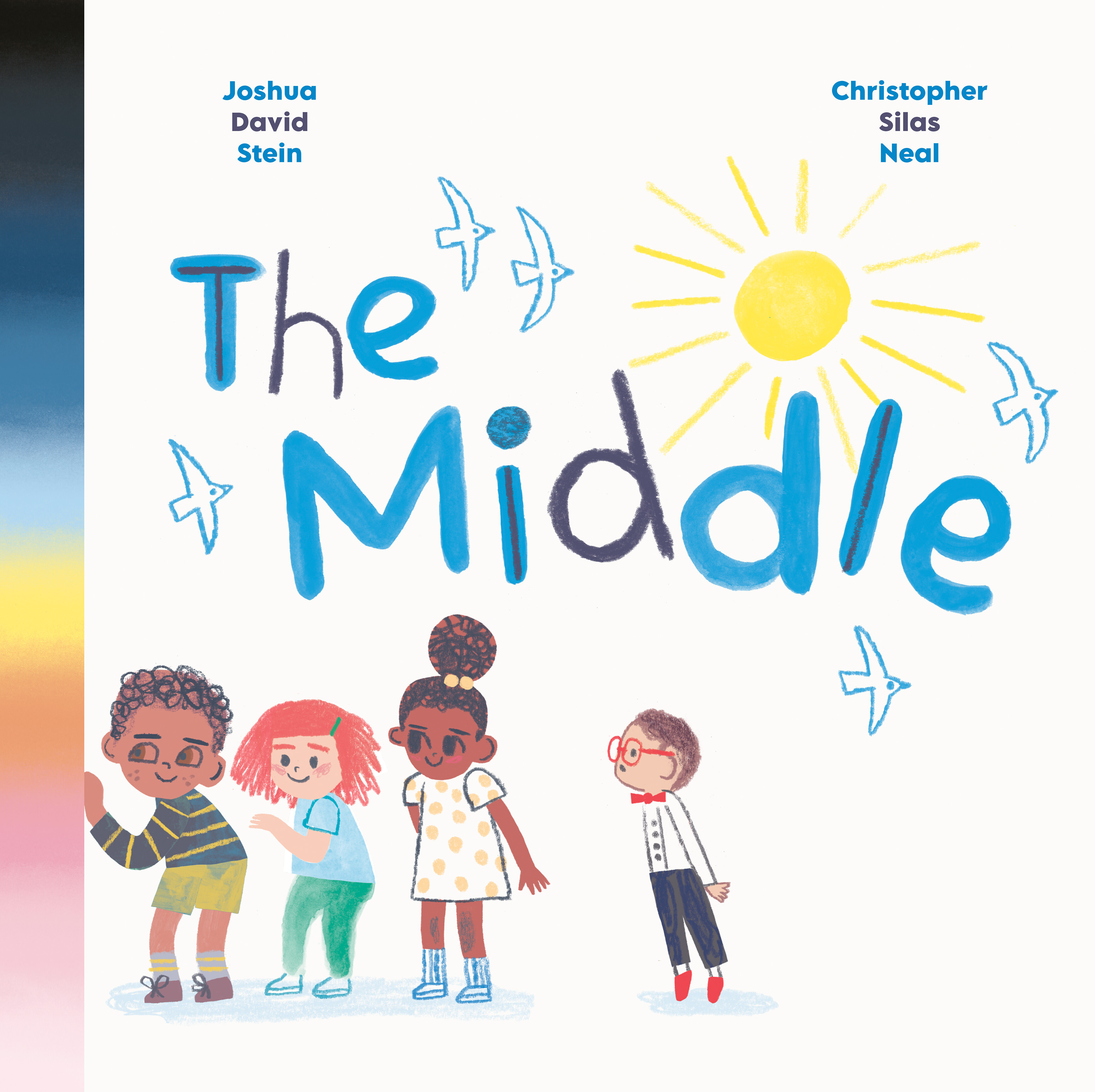
From Rise, Joshua David Stein and Christopher Silas Neal have teamed up for a brilliant picture book called The Middle. The storytelling in both the words and the pictures and the questions it asks are equal parts simple, complex, and joyful.
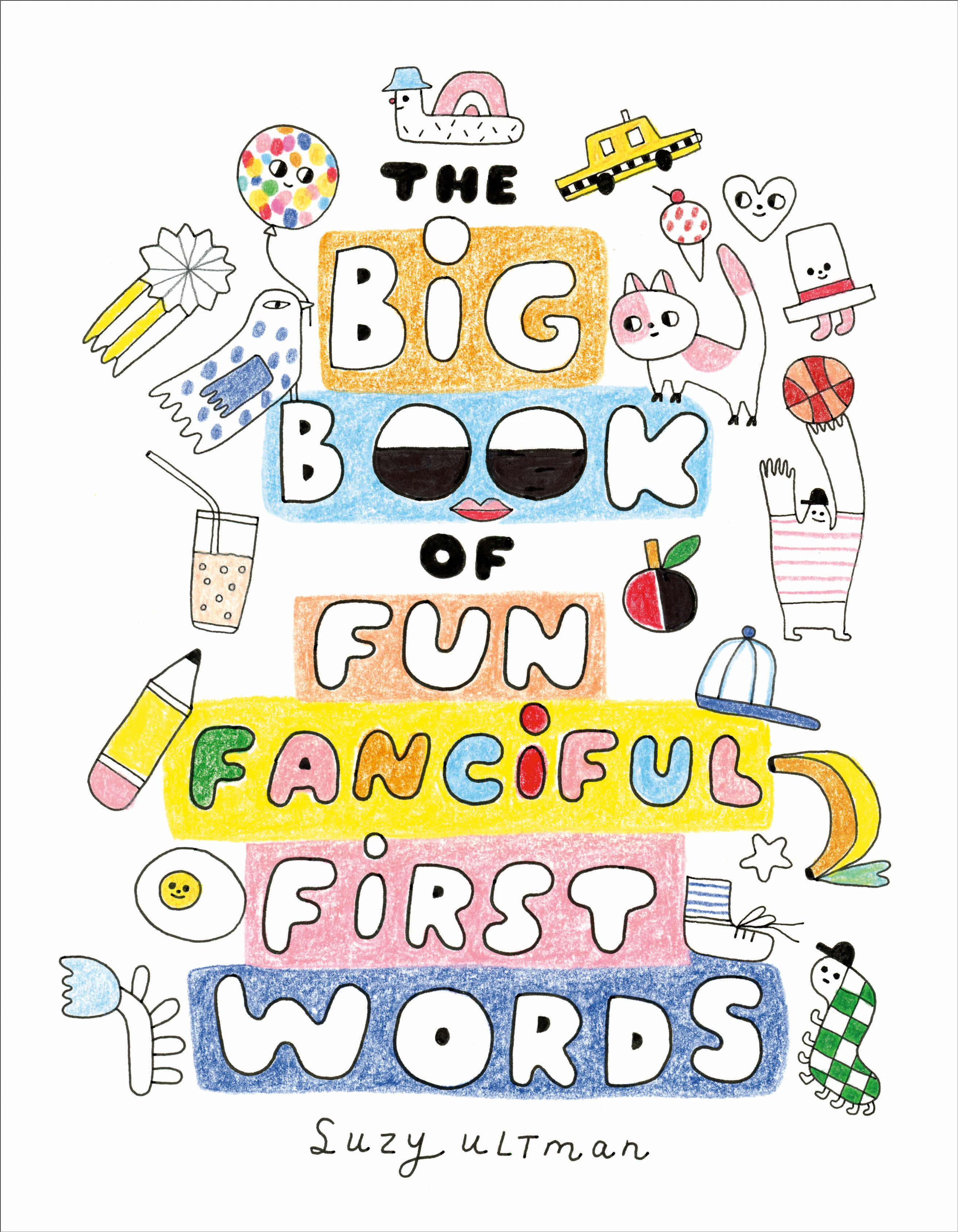
For Tinker, everyone needs to pick up a copy of The Big Book of Fun Fanciful First Words by Suzy Ultman. It is jam-packed with Suzy's whimsical objects, letters with personality, and tons of color. She is working in a new colored-pencil style for this book that I just love!
Finally, if there's one piece of advice you'd give an illustrator serious about building a sustainable career in children's books, what would it be?
The one piece of advice that I would give an illustrator serious about building a sustainable career in children's books is to stay ready, so you don't have to get ready. Keep drawing, keep getting better, and keep adapting. Right now, adapting means making sure your website and Instagram are updated, and your contact information is easy to find. In the future, that could mean something entirely different. It's important to stay on top of where and how Art Directors are finding artists.