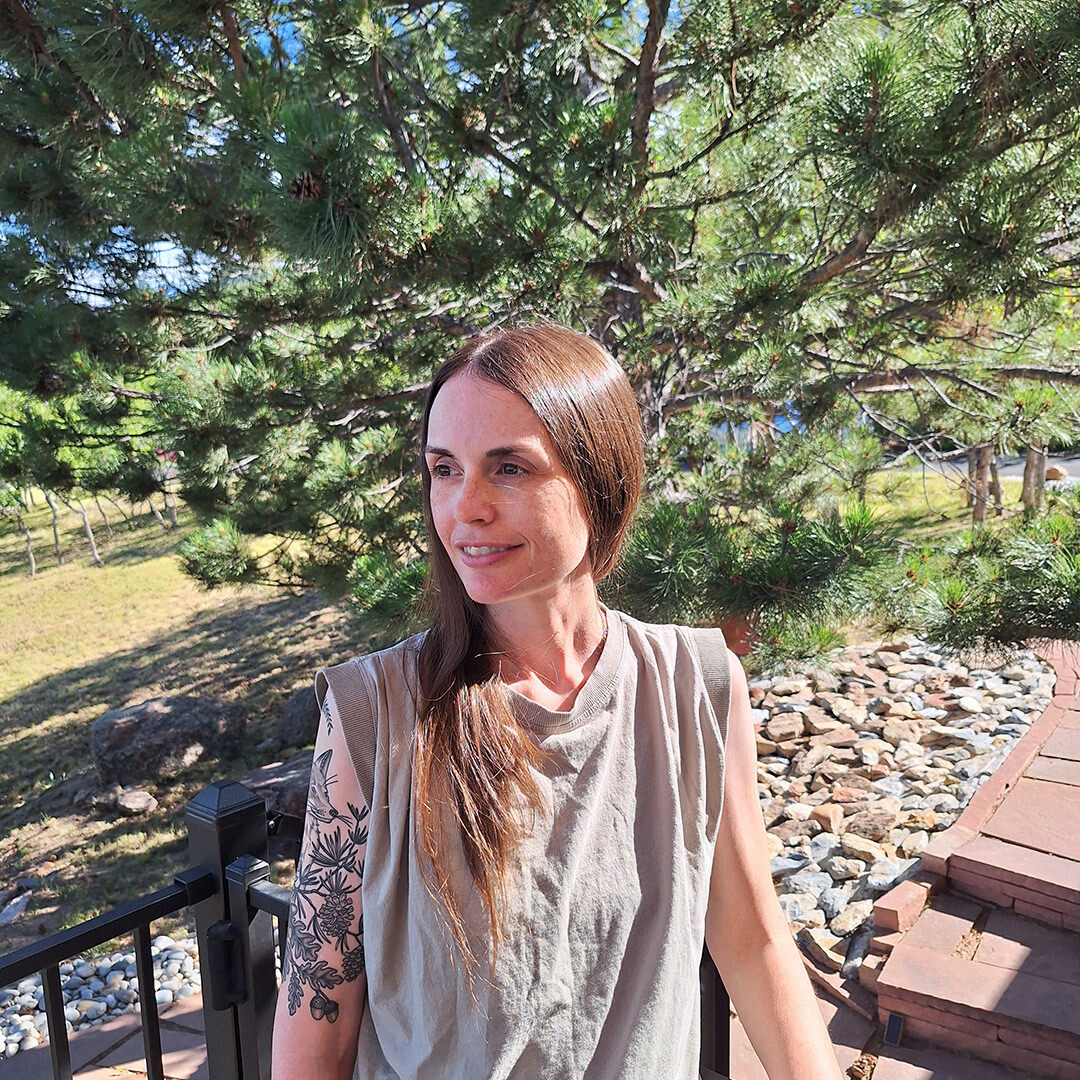
Kate Renner
Senior Art Director, Viking Books for Young Readers - Philomel Books (PRH)
What first drew you to design, and what was your route into children's publishing?
I loved drawing, painting, collage, photography, and always admired art as a kid. But more than anything I came to realize I enjoyed composing things, whether that was through the lens of a camera or arranging the furniture in my bedroom. The principles of composition are shared between all types of art. The enjoyment I got by making decisions about what would go where eventually led me into design.
When I started going to school for design, I hadn't settled on what area to focus on. At the same time I entered design school, I became a part-time bookseller in a children's department so I was staring at books all day and it reminded me how much books meant to me a kid. When I encountered Penguin during an intern fair at my college, I made a connection. I was able to get hired as a part-design assistant instead of an intern and I've been part of the same team ever since!
You've moved from Associate Art Director to Art Director to Senior Art Director at Viking, Philomel and Flamingo. How has your approach to a project changed as your role has grown?
The biggest change is that I am frequently collaborating with a junior design member of my team. In that position, I'm trying to help another designer realize their own vision as opposed to my own.
What does a typical day look like for you at the moment?
Emails, meetings, meetings, lunch break, meetings, meetings, emails, design. I'm only exaggerating a little! But those meetings are important, it takes a lot of discussion to unify the direction of a book.
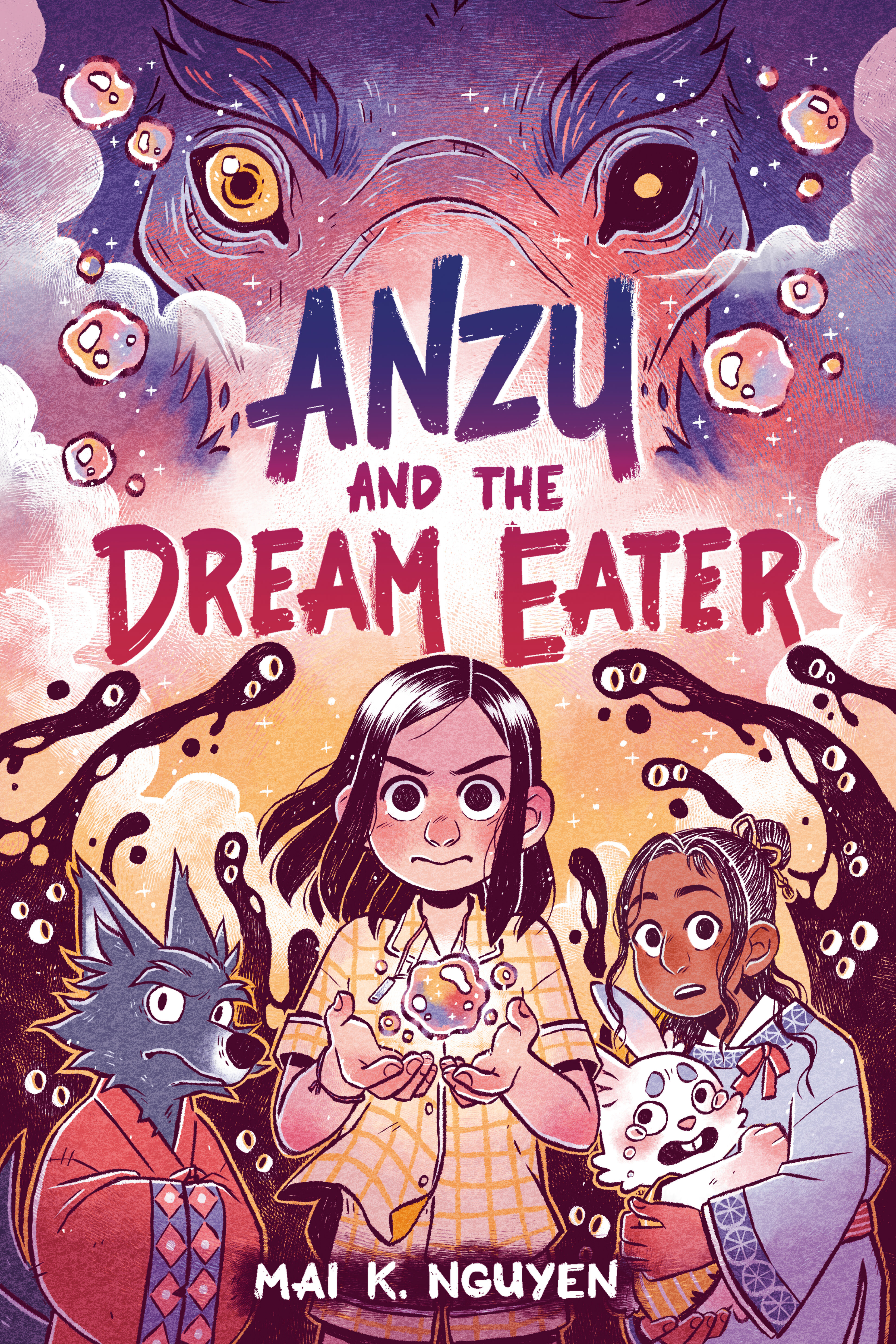
You coordinate the graphic novel list for the design team, a format with its own particular design language. What's different about art directing a graphic novel compared with a picture book?
In a picture book, you zone in on every detail on every page. There are so few pages that every moment seems big. In a graphic novel, you have to take a step back and look at the long view. Asking questions like: Is this clear? How does this flow? There is a lot more letting go and having the artist feel it out and only stepping in occasionally.
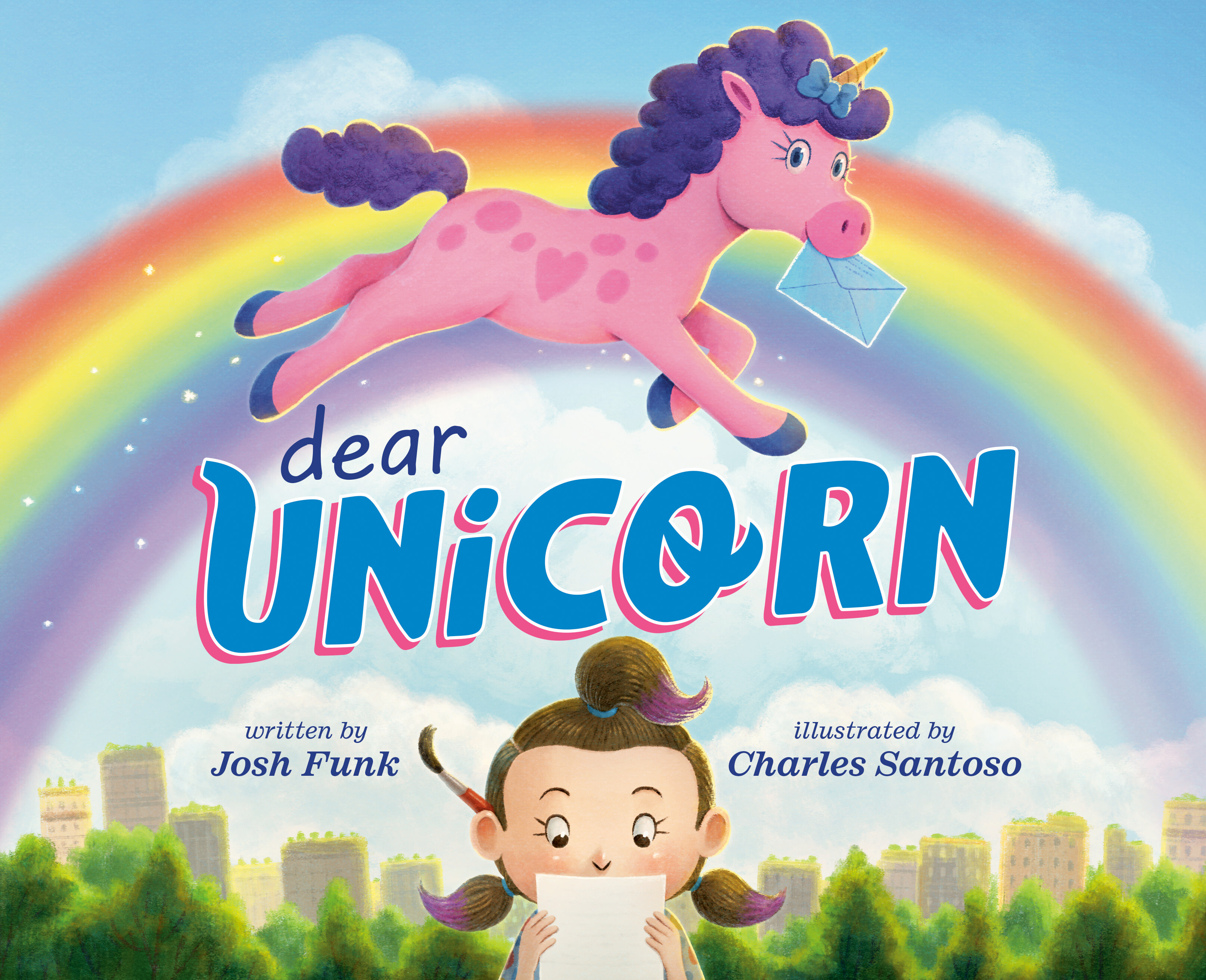
You've art directed illustrators including Sydney Smith, Juana Martinez-Neal, David Shannon, Molly Idle and Charles Santoso. Is there a project from that list that particularly stands out to you, and why?
What actually stands out to me when you list these artists like this is how different each one of them works. This is something I love about the picture book process, every book is unique in how it comes together. That customized approach keeps me feeling creative and inspired because I can't just sit back and do things the same way I've done before.
When you're looking at a portfolio, what tells you an illustrator has the range to carry a whole book, rather than just a single striking image?
Typically I look for consistency in line work/color/etc. Having a few different styles is OK, but for newer illustrators it can make me pause because honing a style takes time. I also always advise illustrators to have some pieces that feature the same character because most picture books feature sequential storytelling with recurring cast.
How closely does design work with editorial and sales when a book is coming together, and how does that collaboration shape the finished cover or spread?
Editors are our collaborators, they bring the project to us and then trust in us to help them shape and elevate it. For our team, it is an incredibly collaborative process with a lot of discussion (all those meetings I mentioned above!) and once sketches starts coming in the art director and designer take the lead in communicating with the illustrator.
Were there books you loved as a child that you can still trace a line from, to the kind of books you work on today?
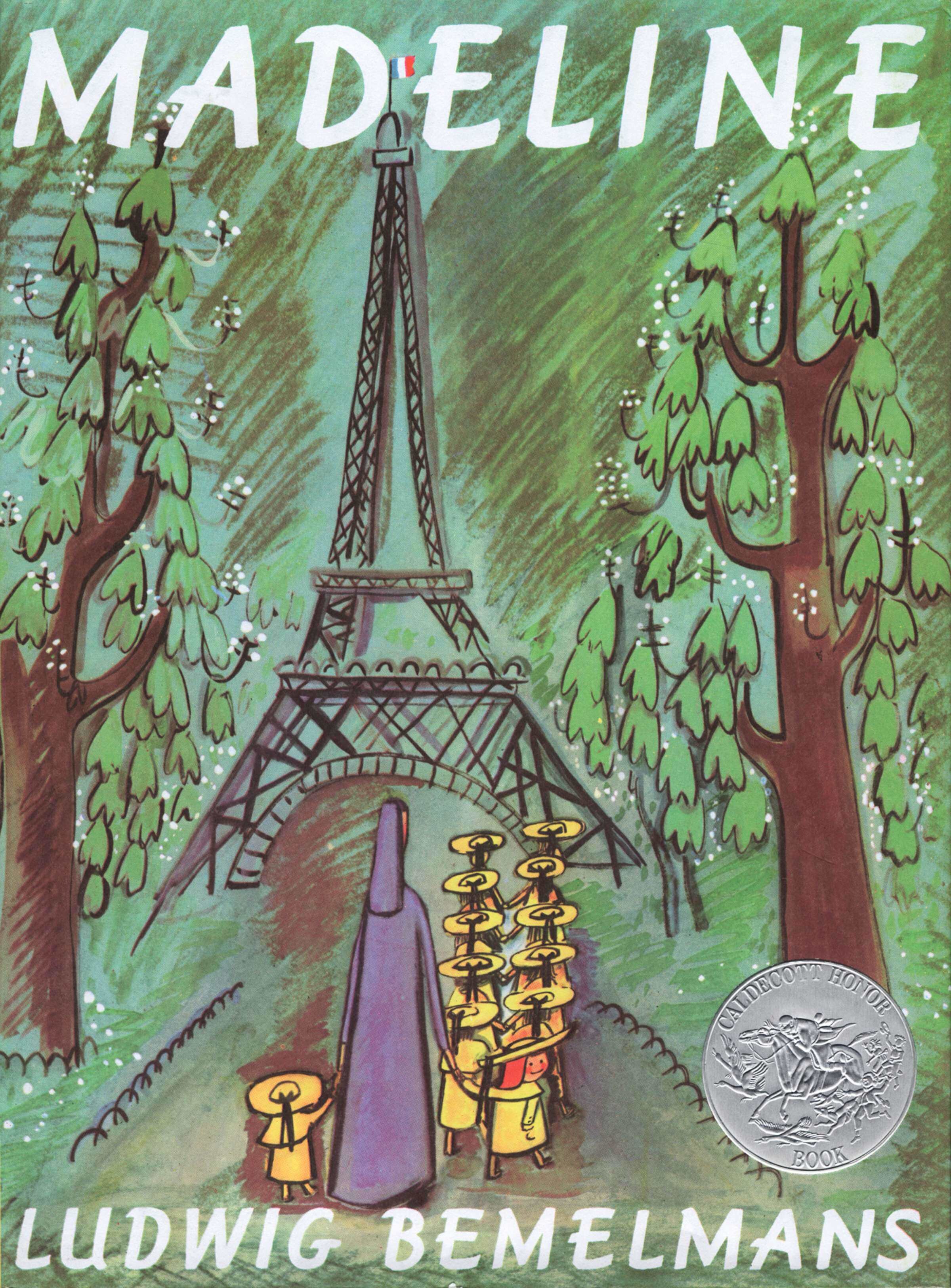
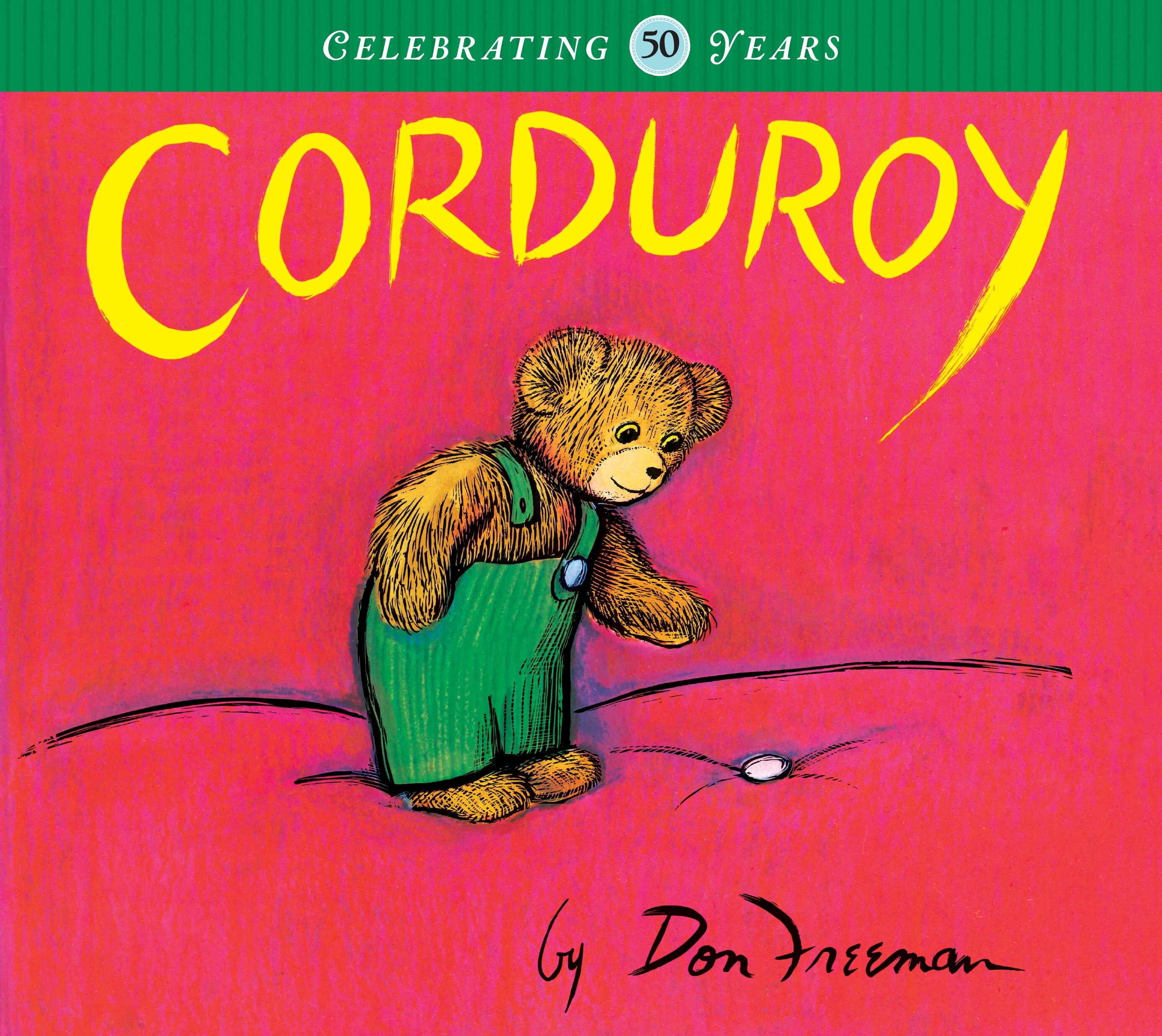
I'm lucky enough to be working at Viking Books for Young Readers which is the home to beloved books like Madeline and Corduroy which I too loved and I get to be part of a direct legacy of those books.
You've said you have a particular love for graphic novels. What's exciting you most about that space in children's publishing right now?
I've loved comics for as long as I remember, they have always been part of my reading. So I find it exciting to be part of that unique medium and also help introduce it to kids and colleagues.
Is there someone who has been a real mentor or influence on your career so far?
Denise Cronin (art director at Viking Books for Young Readers at the time) hired me as a design assistant and I truly grew up while working for her. She was a patient and thoughtful art director who wanted me to feel ownership and pride in a book design. I worked with her for more than 15 years until she retired.
What's your best advice for an illustrator hoping to build a sustainable career in children's publishing?
Be open to feedback. The book publishing process is a collaborative one between an editor, designer/art director, and the artist. My feedback is about helping an illustrator communicate their ideas in the strongest way possible.
Is there a project on your list at the moment that you're especially excited for readers to discover?
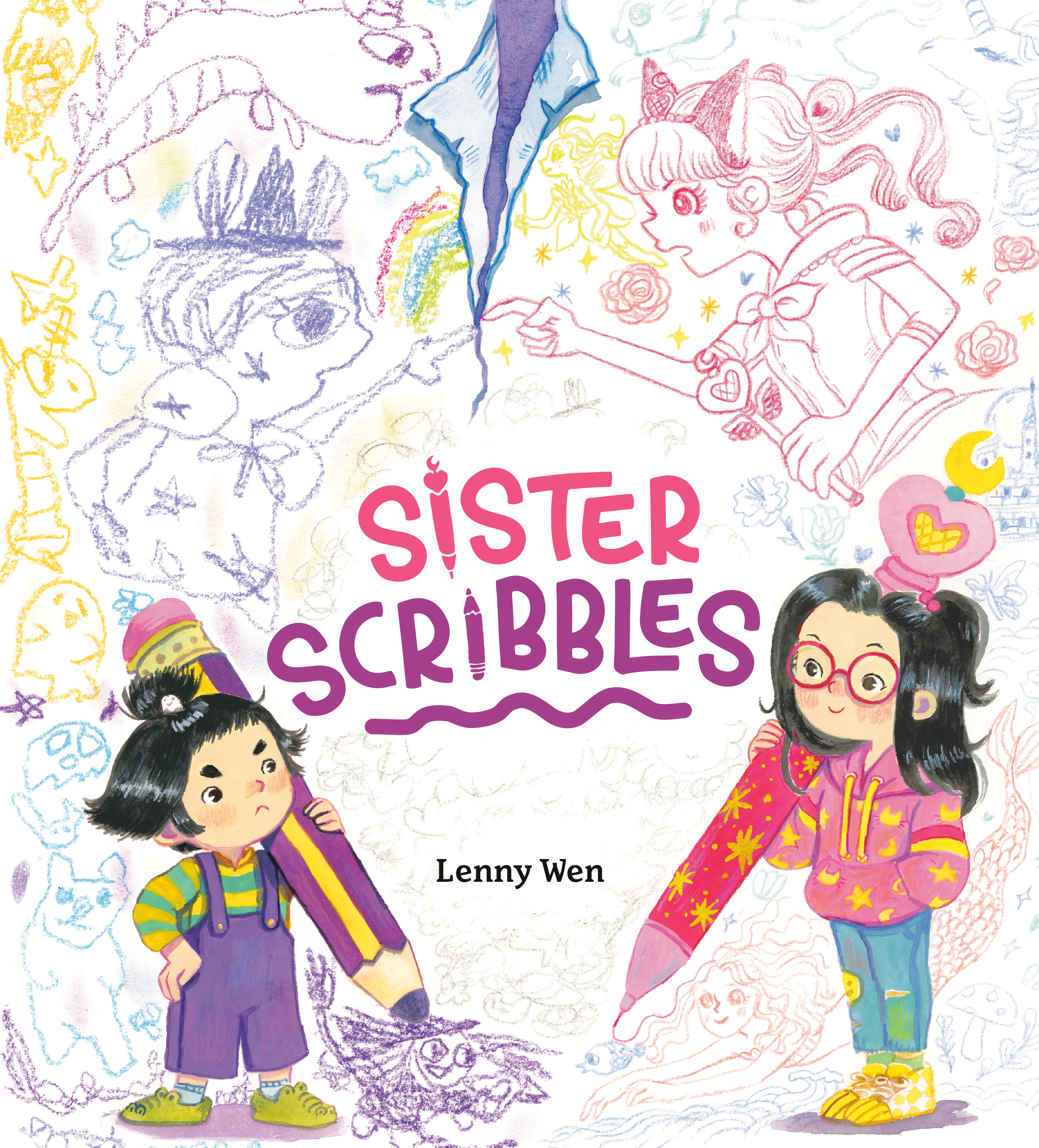
I'll mention two. The first is a picture book by Lenny Wen called Sister Scribbles. It will be coming out on August 25 and features a rivalry between two sisters who are artists. The way Lenny plays with the depiction of the girls' drawings and of self-doubt that artists feel is spectacular.
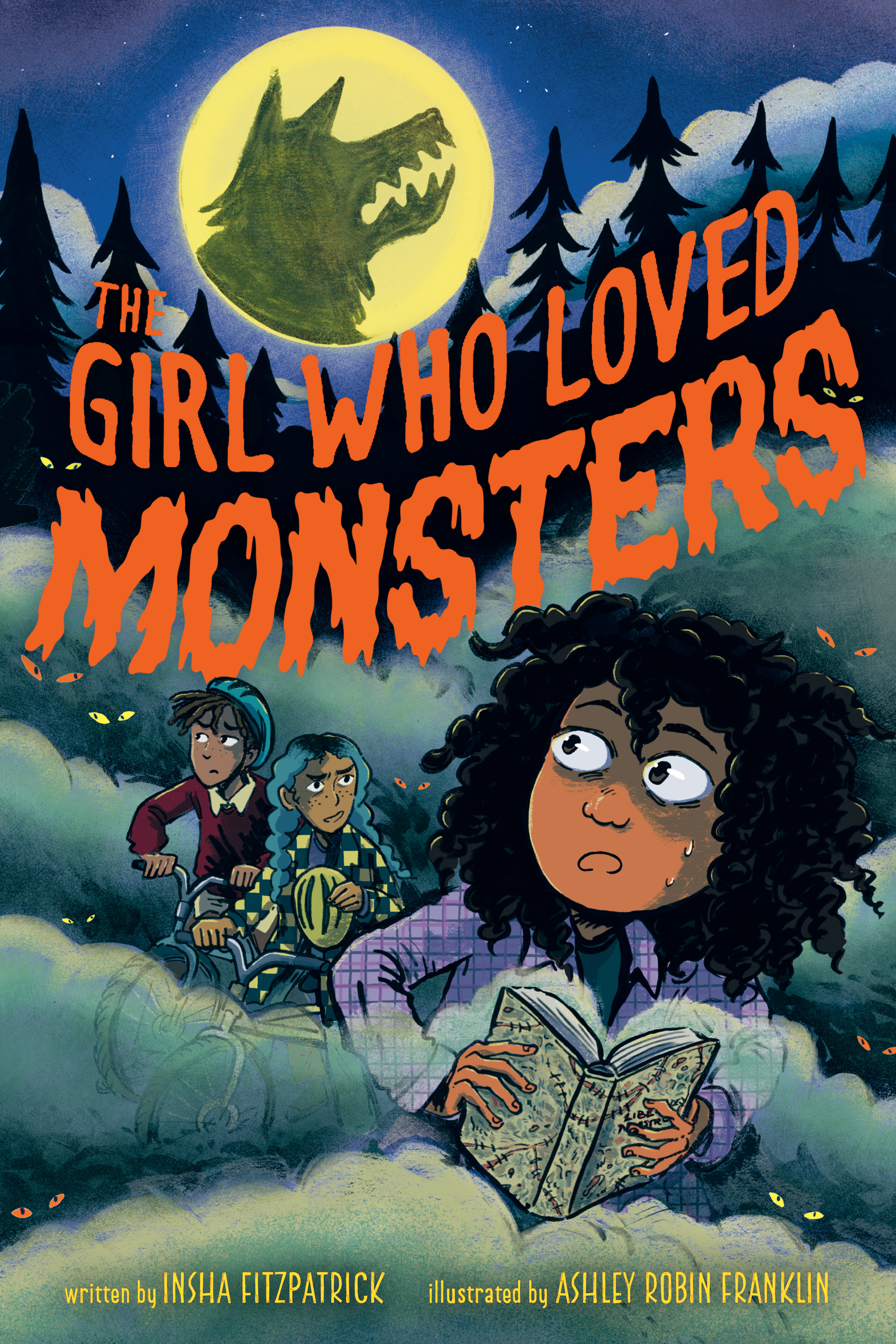
And I must mention an upcoming graphic novel The Girl Who Loved Monsters which is hitting shelves on July 28. This is exactly what I enjoy in comics, it is a little bit scary, a little bit funny, and features a great cast, witty dialogue, and dynamic art.