

Vishwamohini Sengupta
Children's Illustrator
Who or what made you want to become an illustrator?
Since childhood I’ve been fascinated by colours and picture books. I always felt that illustrations were the soul of a story. As I grew up, that fascination evolved into a real passion for visual storytelling, and the idea of creating picture books for children, like the ones I loved, felt both meaningful and exciting. That’s what led me to pursue illustration as a career.
Where do you currently live and where did you grow up?
I live in India, where I also grew up. The creativity and diversity around me have always been a big influence on my artistic journey. From vibrant festivals and traditional crafts to the colors and textures of everyday life, there’s so much visual inspiration everywhere. Growing up in such a lively, artistic environment naturally shaped how I see and express things through my illustrations.
Was creativity part of your childhood?
Absolutely! Creativity was woven into my childhood in a very natural way. Drawing was always my favourite subject at school, I never got bored of it. I’d spend time doodling on notebooks, making little sketches on the backs of exam papers, and scribbling whenever I had free time. Looking back, I think all that playful sketching was the foundation of what I do now.
Who or what have been some of your major artistic influences?
Picture books and animated movies have been my biggest artistic influences. I grew up loving how picture books made stories come alive through colours and drawings. Animated movies had that same magic, I loved the way a single frame could hold so much mood and emotion. Both of them made me want to tell stories visually, and they still inspire the kind of work I create today.
Which books from your own childhood really stand out?
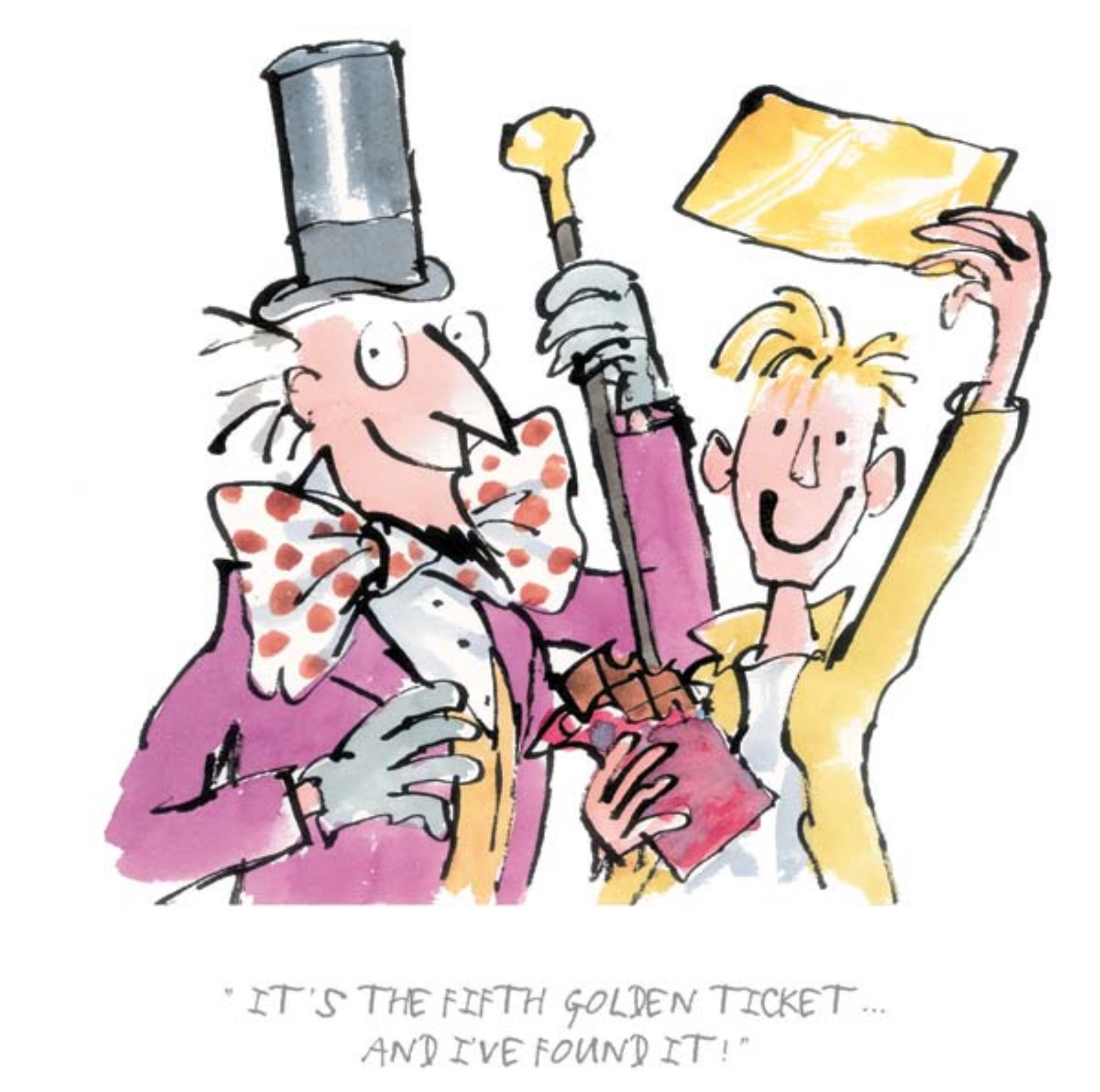
A few books from my childhood that really stand out to me are Charlie and the Chocolate Factory illustrated by Quentin Blake, The Little Mermaid illustrated by Alan Marks, and Diary of a Wimpy Kid. The spontaneous and sketchy lines of Quentin Blake’s illustrations made Charlie and the Chocolate Factory feel so full of energy. The Little Mermaid had this beautiful softness, I was completely in love with the dreamy colours Alan Marks used. And Diary of a Wimpy Kid stood out for its simplicity. The doodle-like drawings felt relatable and funny, it gave me new perspective on illustrated books, that even minimal artwork can have strong storytelling power.
What was your first commission as a professional illustrator?
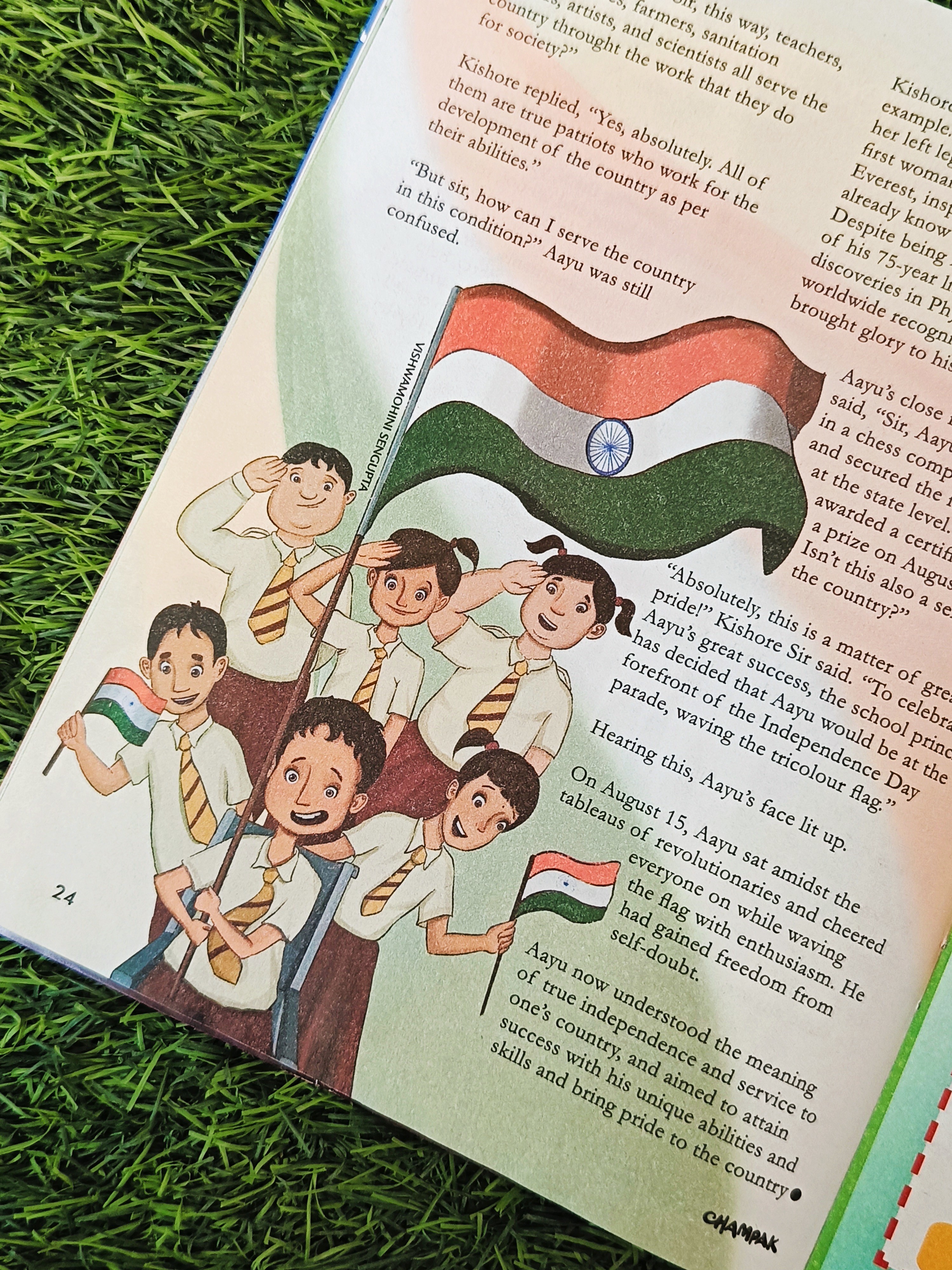
My first professional commission was with Champak Magazine, one of India’s leading children’s magazines. It was an exciting experience to see my illustrations published for the first time. Around the same time, I also worked on a book titled Light in the Forest by Maragatham, for which I created around 150 illustrations. Both projects were wonderful learning experiences and gave me a strong foundation in working professionally for children’s content.
Describe your working technique and how you came to perfect it.
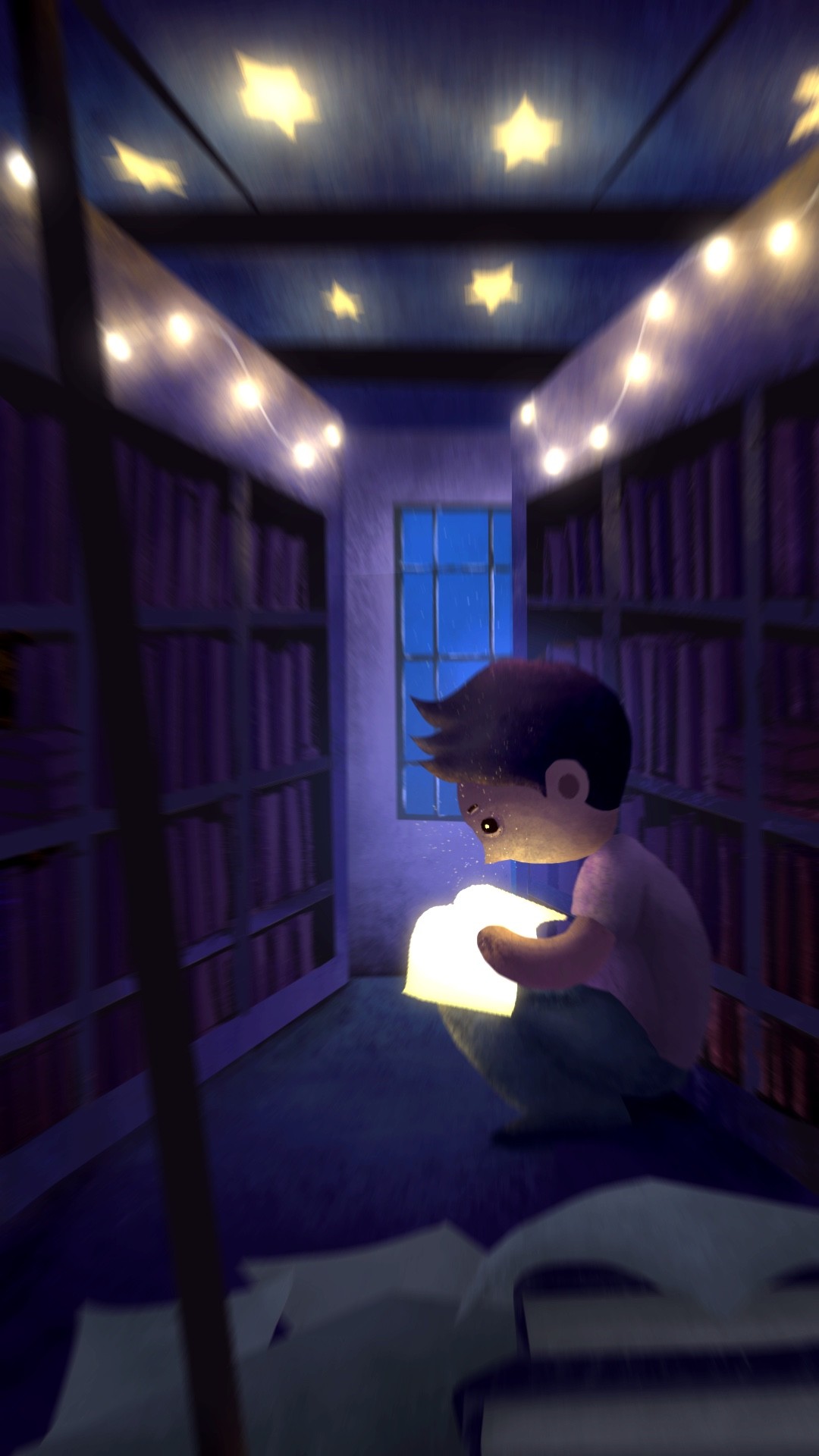
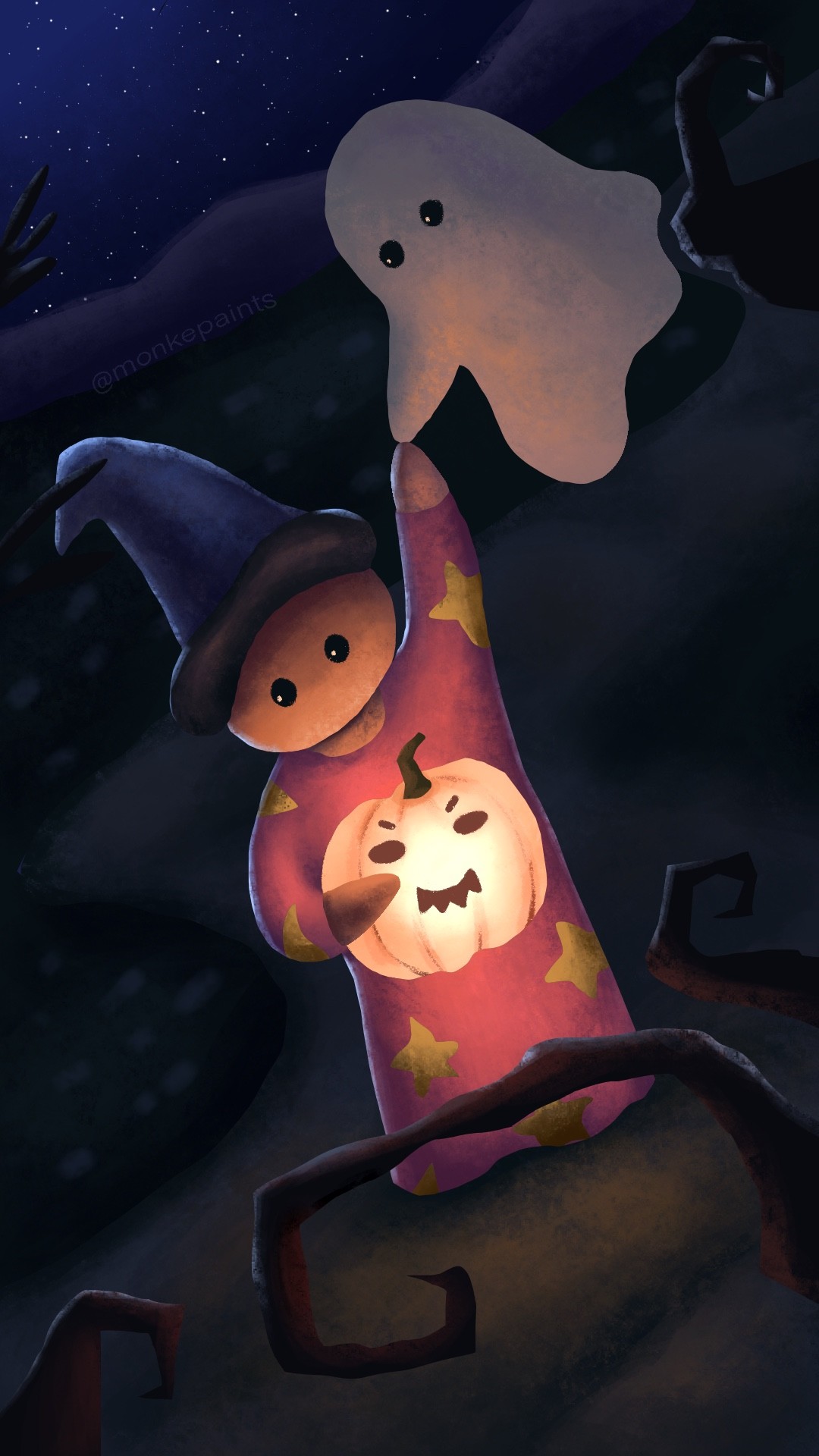
My working technique revolves a lot around color and light, since I believe they set the entire mood of an illustration. I usually start by sketching loosely to find the right composition and flow, once that’s done I focus on building the color palette and lighting. I love exploring how light interacts with different hues, whether it’s a warm afternoon glow, soft moonlight, or the playful brightness of a children’s storybook. Over time, through consistent practice and studying how color and light influence storytelling, I’ve developed a process that helps me bring warmth and atmosphere into my illustrations.
What piece of software or hardware could you not live without and why?
Procreate, without a doubt. It just feels so natural to draw on. I love how easy it is to experiment with colors, layers, and textures, and the fact that I can carry my iPad anywhere makes it even better.
Do you keep a sketch book?
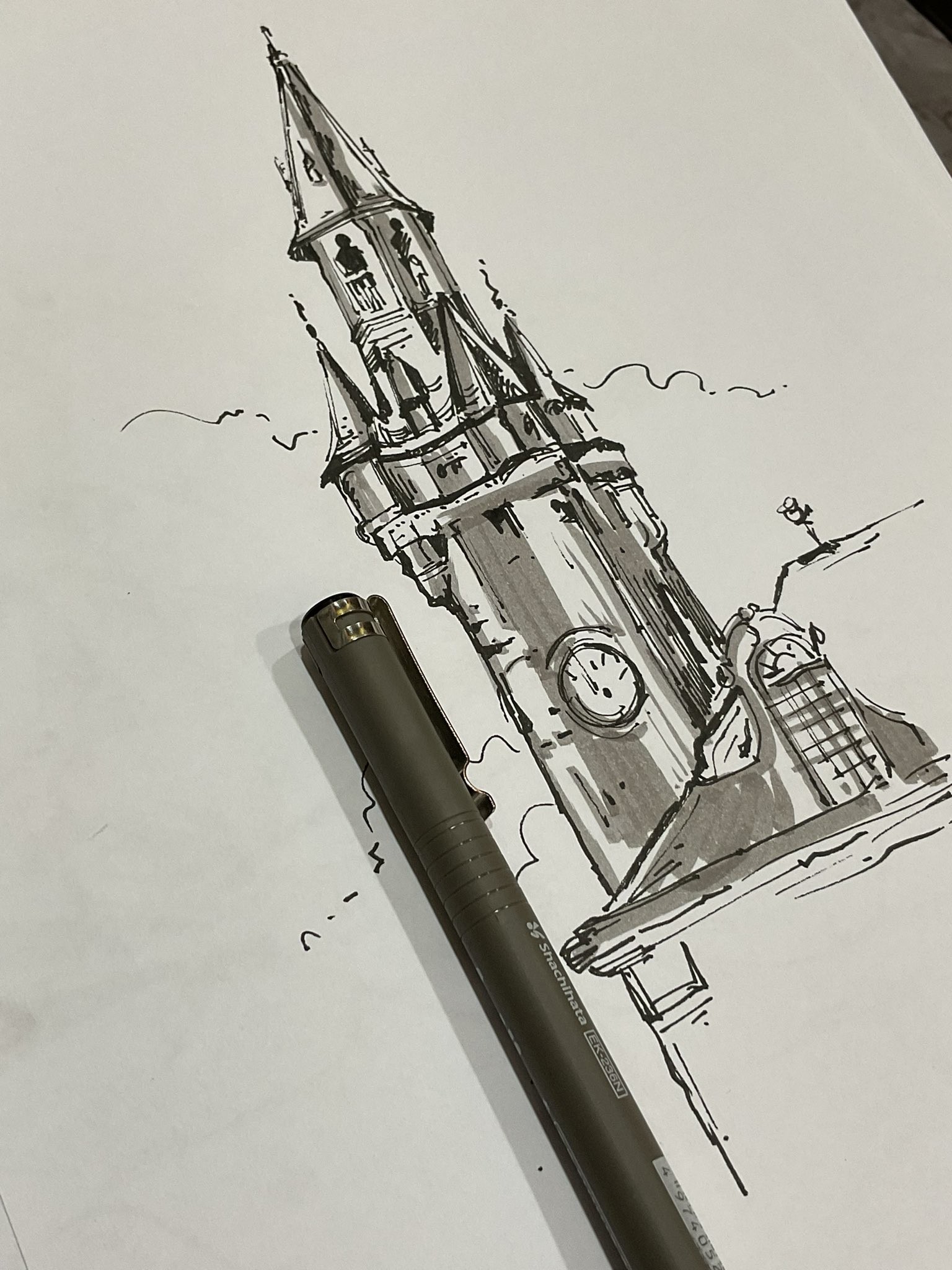
Yes, I do. In fact, I’ve been practicing traditional drawing for the past eight years. I believe keeping a sketchbook is really important because it helps strengthen foundational skills and keeps the hand connected to the process of drawing. It’s where I experiment, make mistakes, and explore ideas freely and it continues to influence my digital work as well.
Tell us about the creation of your favourite character from one of your books.
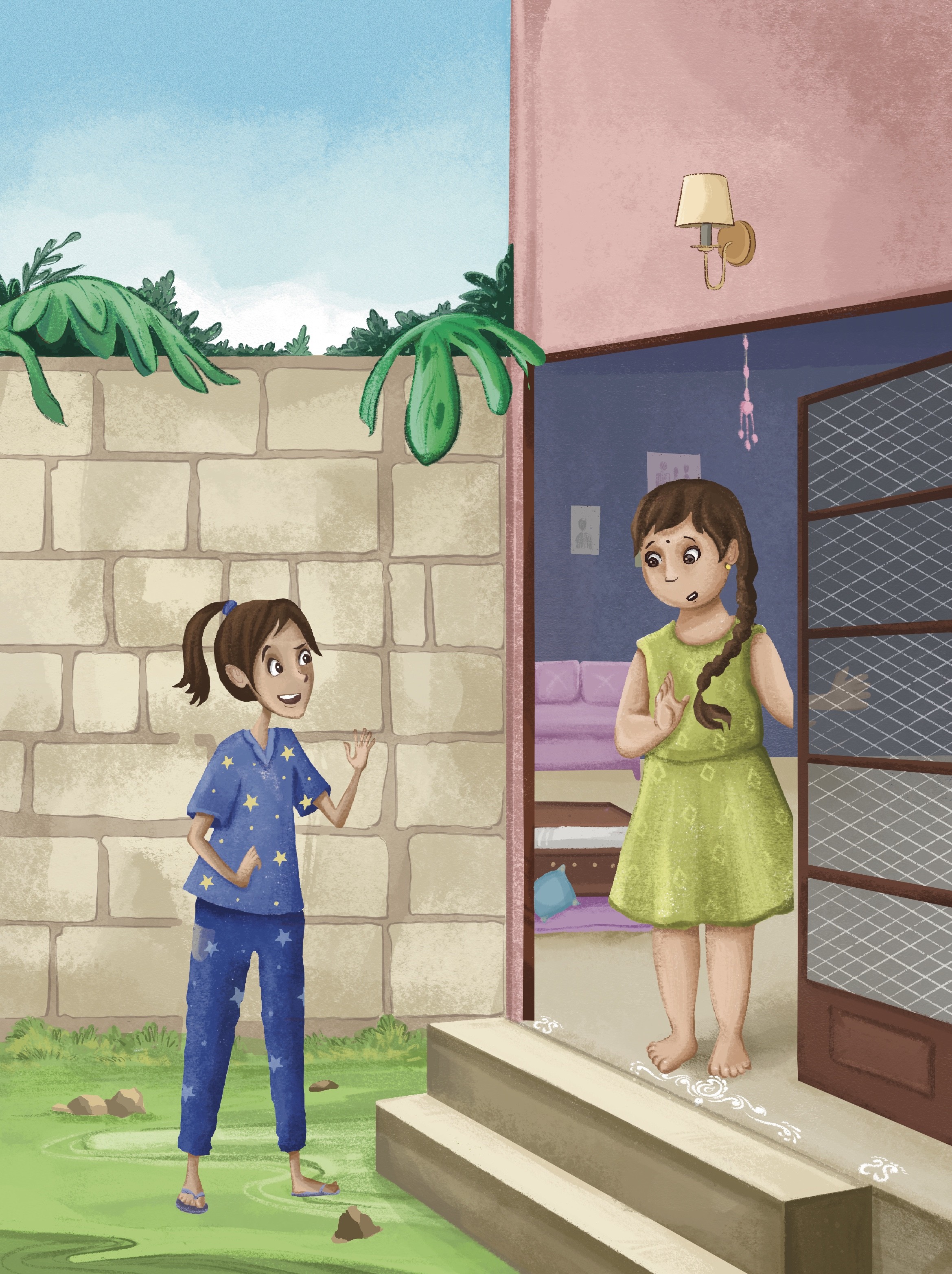
My favourite character I’ve illustrated so far is Nandini from a story in Champak magazine. She takes part in a singing competition with her friend Swara , Nandini wins but she still supports and encourages Swara afterwards. I liked her kindness and positivity, and I tried to show that through her expressions and colors. She reminded me how beautiful it is when characters and people are good friends and lift each other up.
Talk us through the process of creating one of your latest illustrations or books.
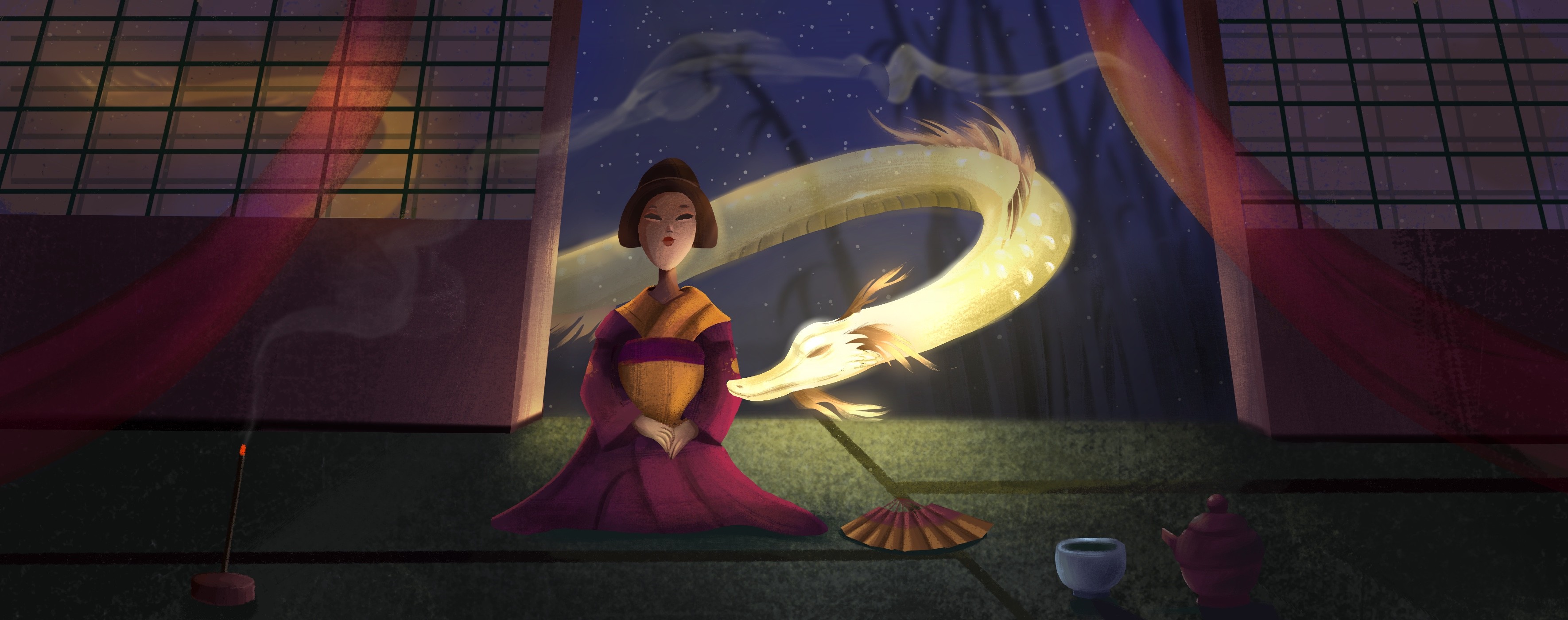
In one of my recent illustration projects, my process began with understanding the story’s tone and the emotions. I started with rough sketches to explore composition and character placement, and once those were approved, I focused on color, light and atmosphere.Then I experimented with different palettes and lighting directions to match the story’s mood. Throughout the process, I worked closely with the art director, sharing progress, discussing adjustments in tone or color temperature, and refining details. It was a very collaborative experience that helped bring the story’s world to life visually
Do you offer more than one style, if so – talk us through the different approaches and the audience you are targeting for each.
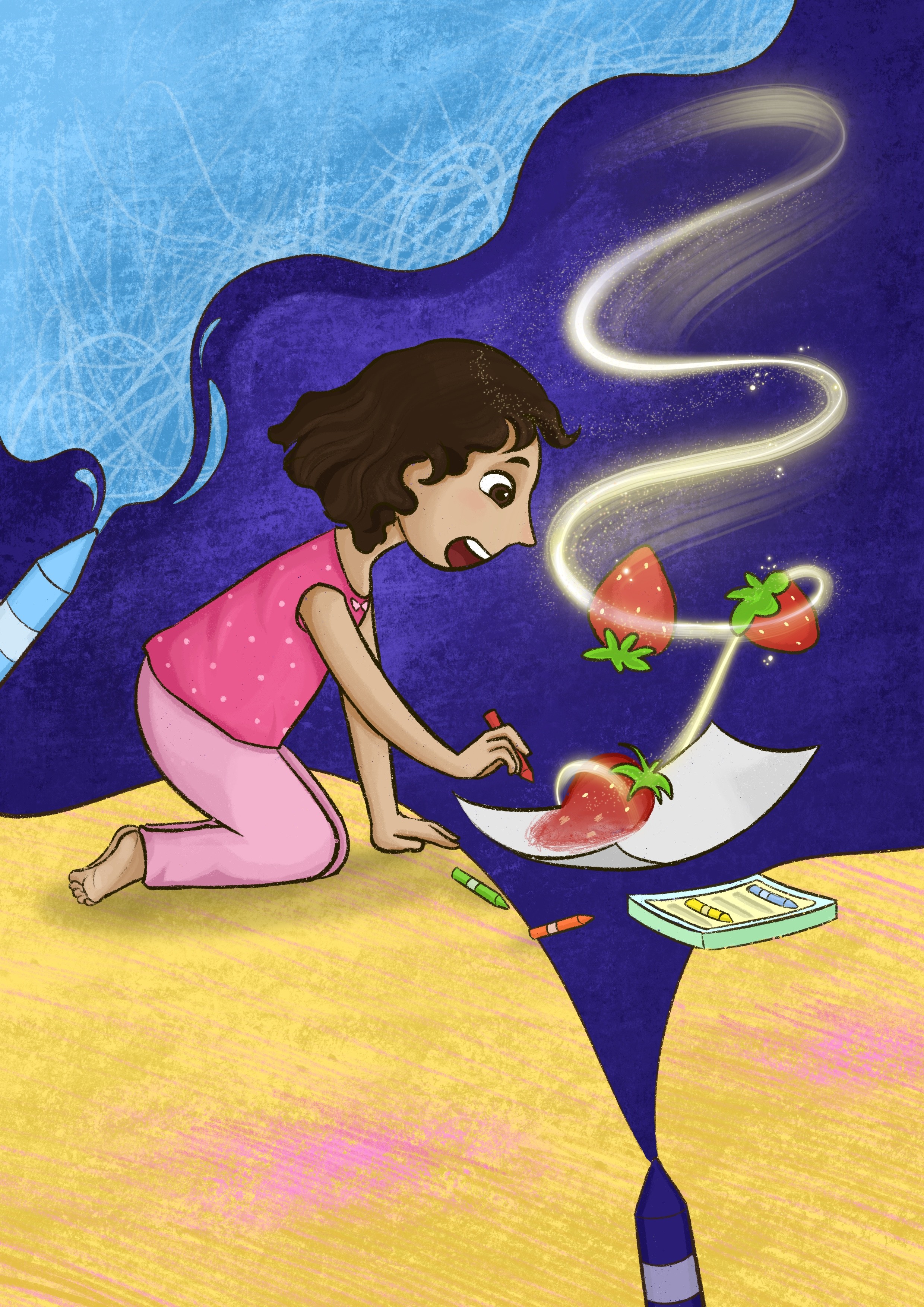
Yes, I love exploring more than one style. I often work in a doodly, simple style that feels light and playful, perfect for younger audiences or stories that need a fun, approachable look. On the other hand, I also enjoy creating detailed illustrations with rich colours and atmospheric lighting, which suit slightly older readers or stories with more emotional depth. I make sure my illustrations match the tone of each project.
What do you hope children take away from your drawings?
I hope my illustrations can make children’s childhoods feel magical, just like mine did when I discovered picture books. I’m deeply grateful to the illustrators whose work shaped my imagination and sense of wonder, and I try to create that same sense of joy and curiosity in the stories I illustrate.
What do you do in your spare time?
I enjoy reading books, listening to music, and spending time with my dog. These activities help me relax and recharge.
What is your favourite children’s book and why?
Lighting is a key feature of my work. I enjoy using it to set mood, enhance colors, and make scenes feel alive and immersive.
What would you say is a distinguishing feature of your artwork?
Lighting is a key feature of my work. I enjoy using it to set mood, enhance colors, and make scenes feel alive and immersive.
Which 4 words would you use to describe your illustration portfolio?
Colourful, Narrative-driven, Detailed, Whimsical.