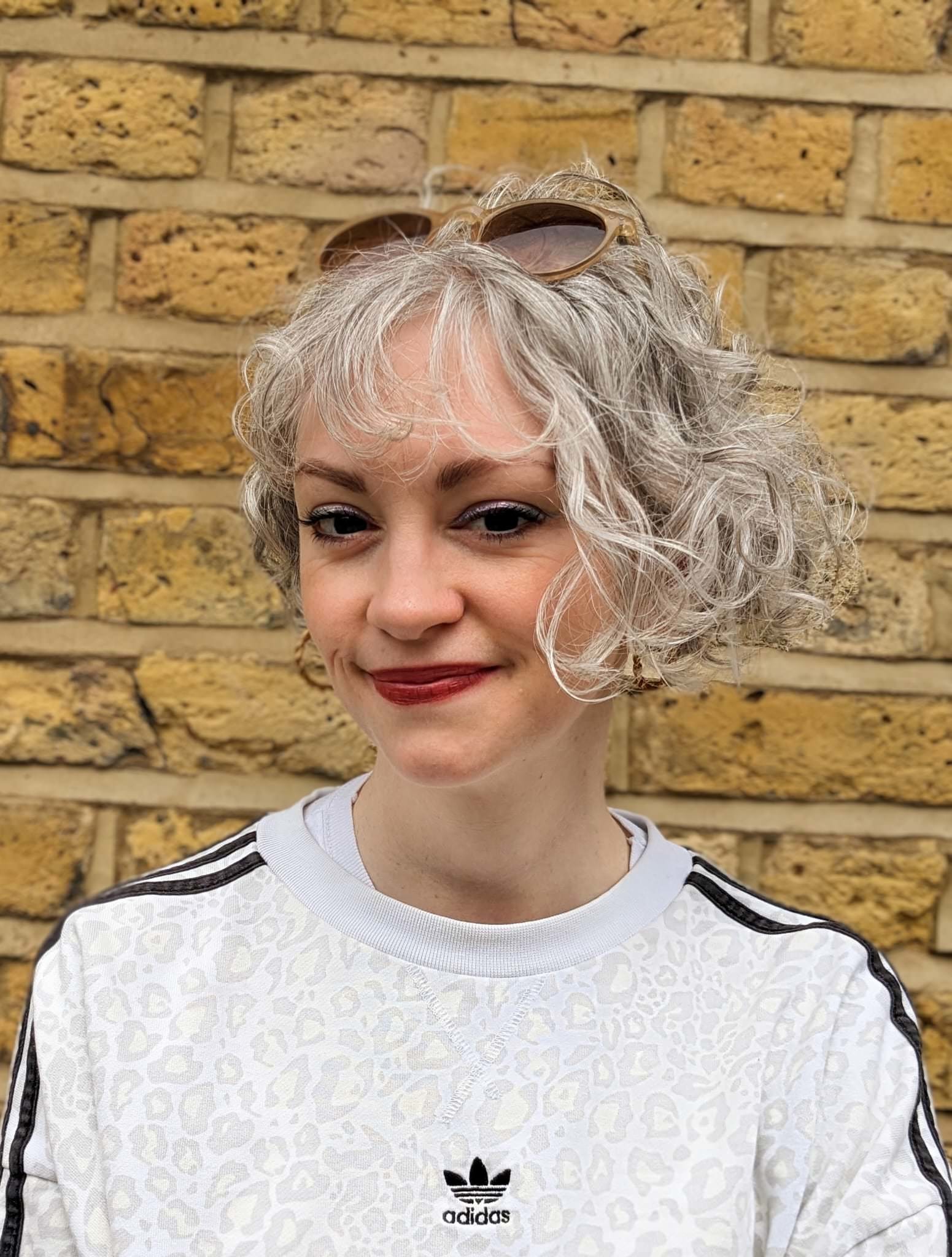
Maria Tunney
Editorial Director of Picture Books at Walker Books
Could you begin by telling us a little about your journey into children’s publishing and how you came to your current role as Picture Book Editorial Director at Walker Books?
I’m from the northwest of Ireland and I moved to London in 2008 to do an MA in publishing. While studying, I was very keen to work in children’s publishing. I have always worked with children and spent my summers as a nanny; I also worked part time in a nursery throughout university. As it turns out, reading stories aloud is a vital part of editing picture books, so this is something I absolutely fine-tuned throughout those years! I always enjoy the performative aspect of picture book storytelling and how you must really love the words you’re reading to make the most of the read-aloud experience for children. Editing to achieve that result, to create words that sing off the page … that’s so satisfying. I think that is why I was drawn to picture books.
I did an internship as a publicity assistant and spent about six weeks proofreading e-books for Hodder & Stoughton (and, I’m afraid, either falling asleep at my desk a lot, or crying over Jojo Moyes books…) before I joined Walker Books in 2009 – it was my first ‘real’ job, and I pretty much knew … nothing. But I was bright-eyed and ready to learn so I spent the first few years listening very carefully, writing everything down, absorbing all the activity around me and replying to a LOT of unsolicited manuscripts! It was an excellent initiation into learning what makes a good picture book story (and what really does not). Though, I remember my boss at the time, Lucy, telling me my rejection letters were too nice as people kept sending me back more stories, ha!
Over the years, I have had incredible mentors including David Lloyd – the original editor of Where’s Wally? and We’re Going on a Bear Hunt – and, today, the picture book publisher Deirdre McDermott. I have learnt all the many ways to craft a story, to nudge a narrative forward, to hone in on the essential message. Through making many, many books myself I have learnt about form, structure, rhythm … all the essential ingredients that go into making a picture book good and inform how you write or help direct your thinking into the right shape.
I progressed in my role from editorial assistant and I’m very happy to be the Editorial Director since 2022, and to keep a hold of the values that were instilled in me as a wee baby editor!
Walker’s picture-book list is internationally admired for its creativity and craftsmanship. How would you describe the editorial vision you bring to the imprint today?
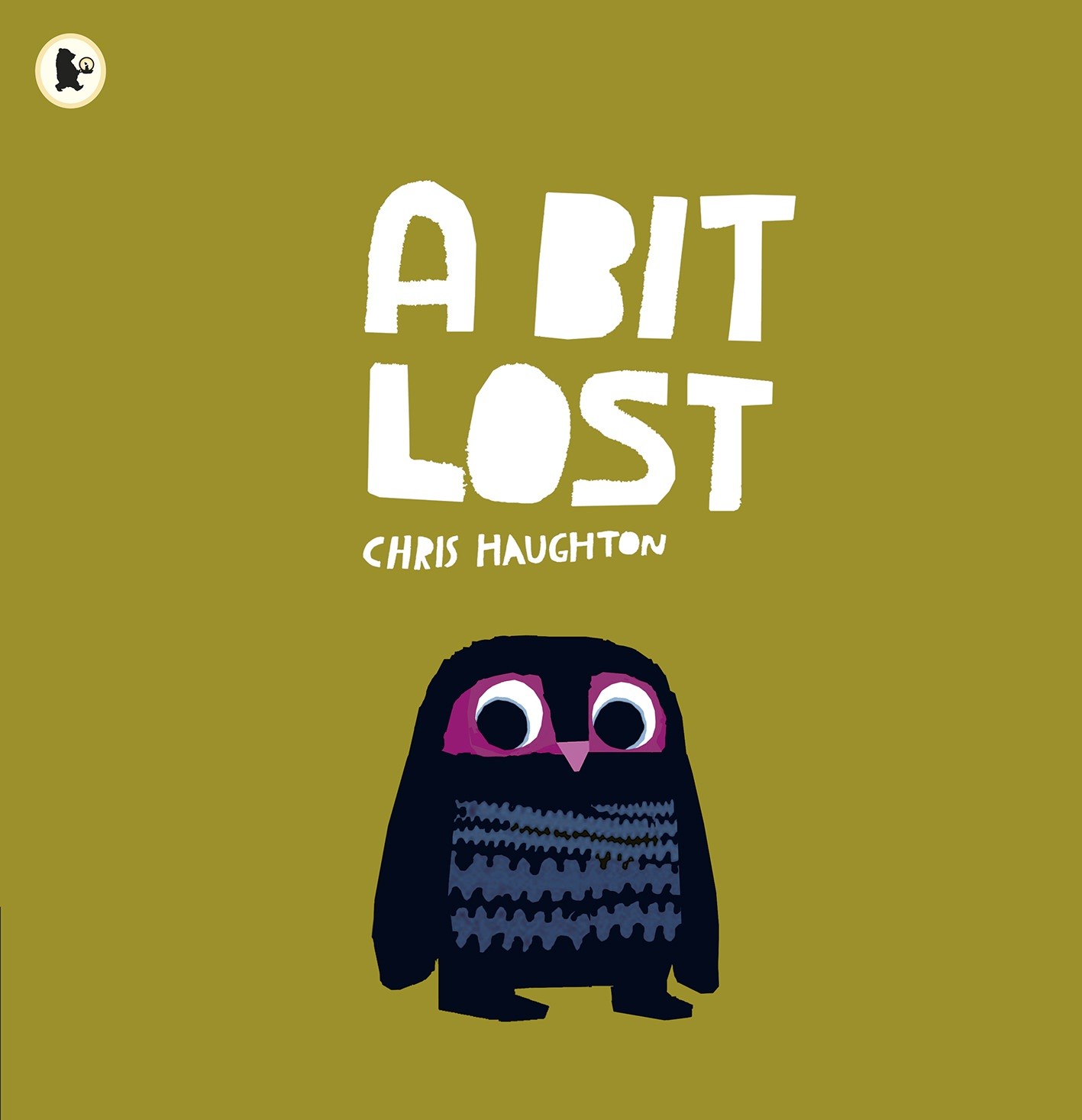
My editorial vision is one I have inherited, and it’s one I hold onto steadfastly and nurture with the more junior members of the team: prioritising great storytelling and the craft of picture book making. We don’t follow picture book trends and I think this is reflected in the very original (and now very successful) author-illustrator talent the team has discovered over the years: Chris Haughton, Jarvis, Natalia Shaloshvili, Daisy Hirst, Flavia Z. Drago, Steve McCarthy, Chloe Savage, Forest Xiao – to name but a few.
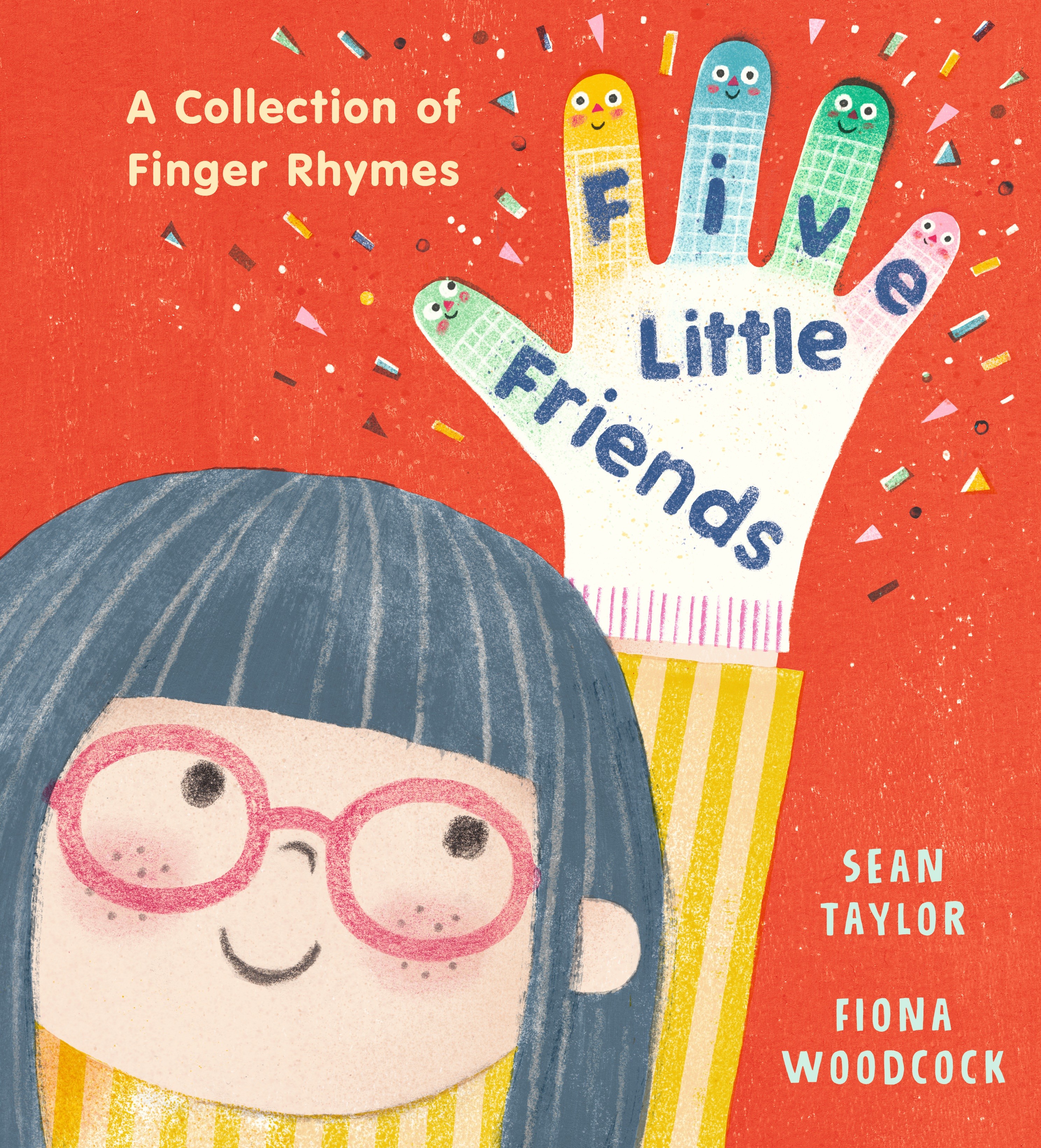
What we look for is a strong voice and we are led by bookmakers who can write and illustrate books with heart and authenticity, who deliver fresh takes on universal experiences of childhood; books that readers want to keep with them as they navigate through their early years. We love collaborating with deeply original authors like Raymond Antrobus, Sarah Crossan, Eva Wong Nava, Sean Taylor, Jackie Kay, Philip Ardagh, Maggie O’Farrell, Joseph Coelho, Ross Montgomery, Laura Mucha, Eoin Colfer…
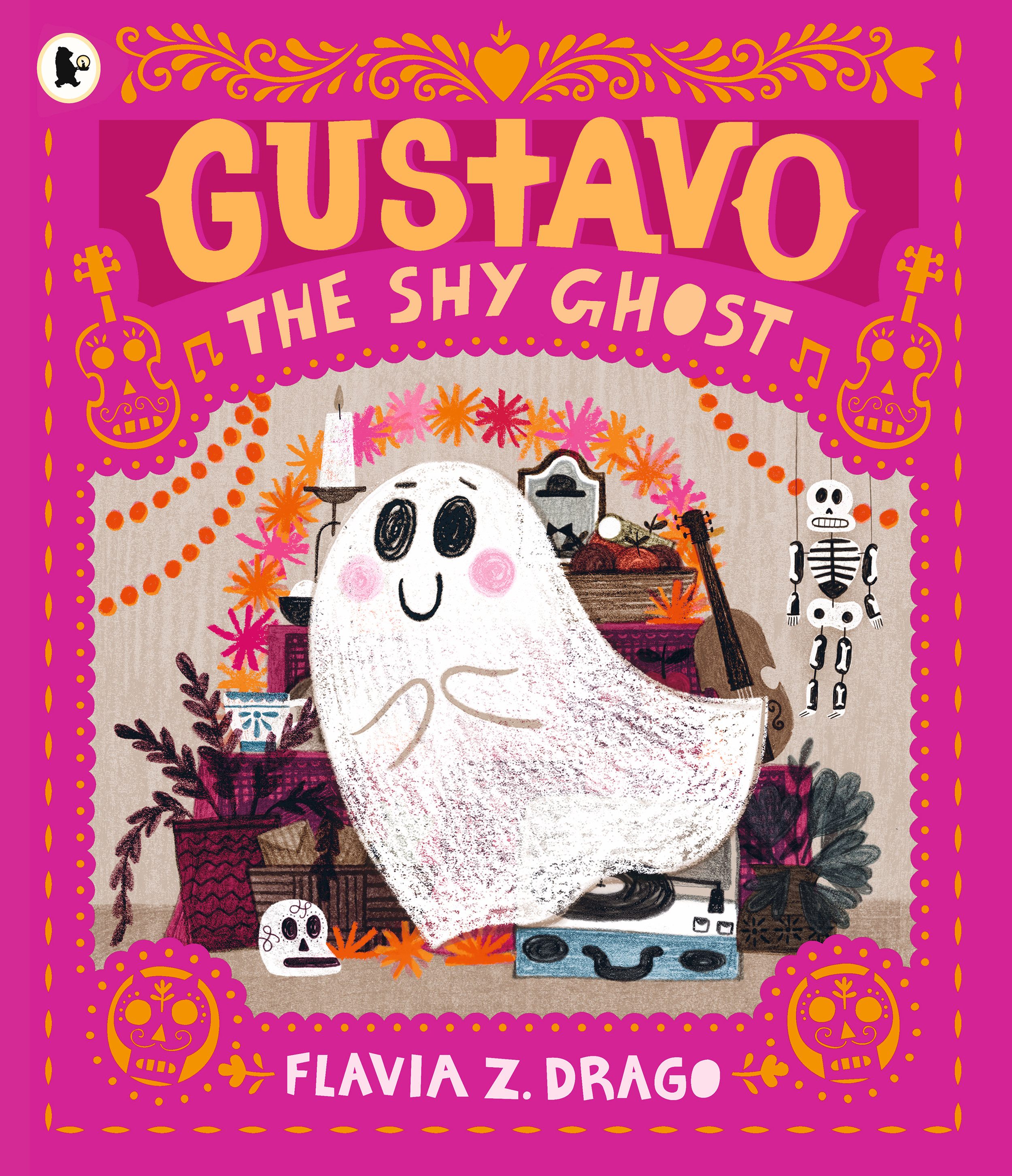
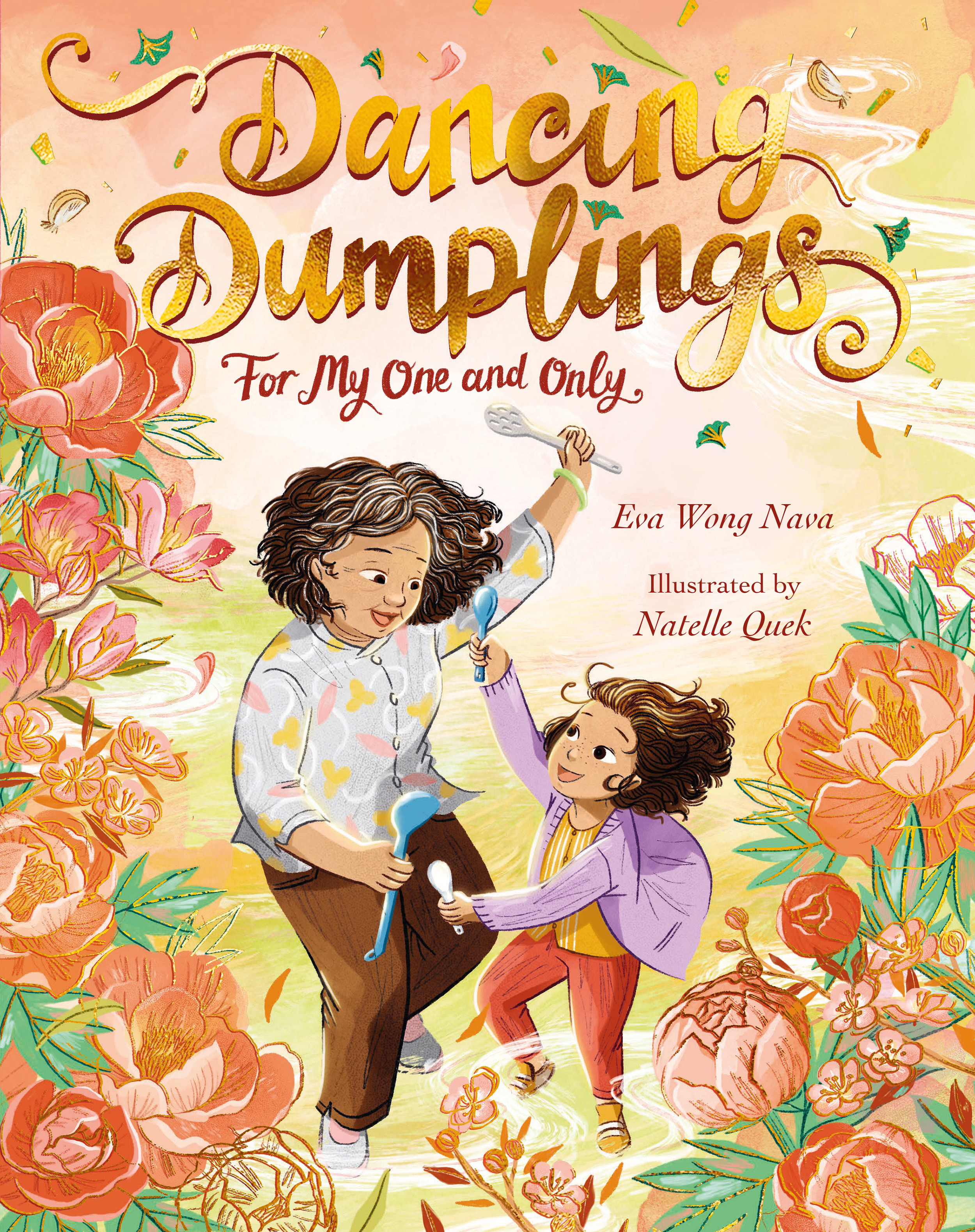
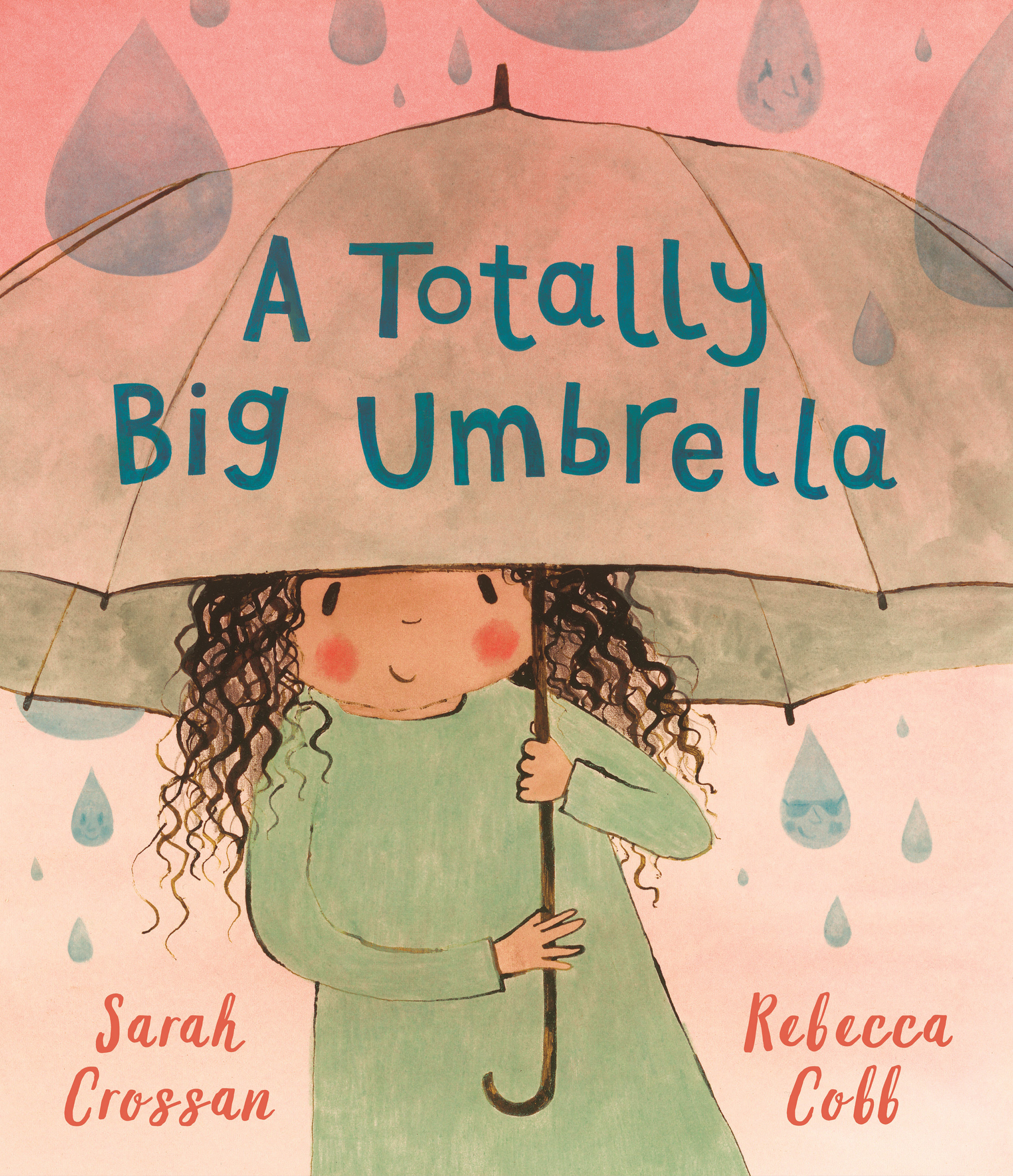
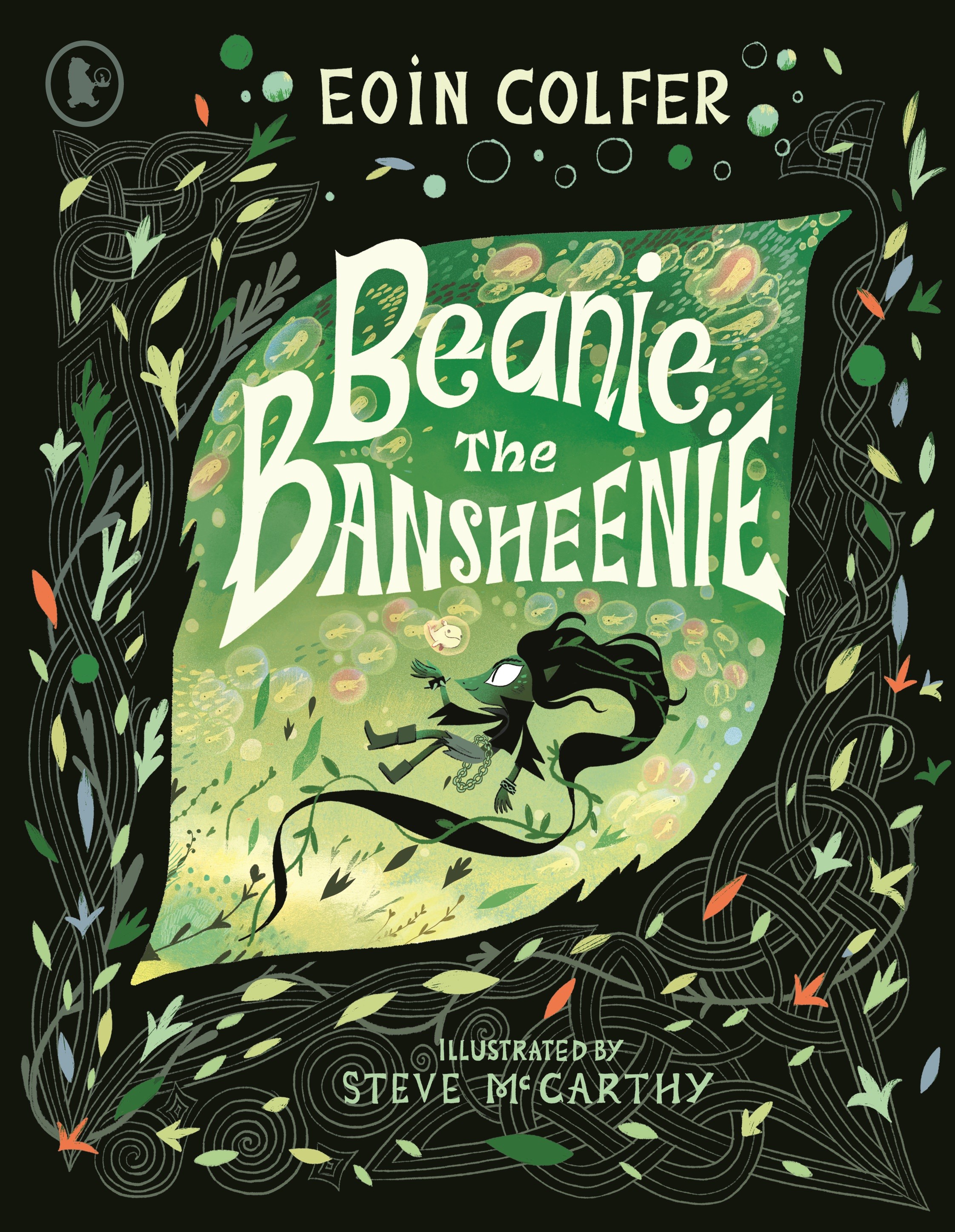
In terms of the editorial team and how we work – I’ve always been taught to enable my authors and illustrators as best I can, afford them plenty of time, and write them beautiful emails and letters! Good communication skills are so important. The more creative and collaborative this relationship can be, the more inspiring the whole conversation (and your whole job!) can become. In that space, we are both learning from each other. That’s proper picture book making and that’s where the real inspiring stuff happens.
I like to think I bring good taste, too, in helping curate the list – taste that has been refined over many years of working under such experienced and skilled picture book authors and illustrators, designers and editors. Taste absolutely ensures high standards of writing, originality and quality in the picture books we make. There is a feeling when something embodies a Walker book and it’s difficult to say what it is but I guess knowing what it is MAKES it feel walker, ha. (If that makes sense!)
You’ve worked closely alongside Deirdre McDermott on shaping Walker’s picture-book strategy. What does that collaborative editorial process look like within such an established creative house?
Walker Books was founded by a man called Sebastian Walker and he was unusual in that he began his company with two other people: an Editor and an Art Director. He did this because he instinctively understood that an equal, creative democracy between the editor – who looks after the story in the words – and the art director – who looks after the story in the pictures – would result in beautiful, desirable books that both looked and sounded good.
Within our picture book team, we have an almost equal number of editors and designers, and we work together very collegiately and collaboratively – our voices are equal, and this has always been the way that Deirdre McDermott, who is also an art director as well as the publisher, has functioned the team. It does mean that the editors get this beautiful grounding in reading imagery and assessing art and the designers are very editorial, too – and I respect and love their editorial thoughts. We talk through each stage of the book together and at tricky points – a cover that is hard to resolve, for example – the team will band together to come up with solutions.
One of the things I most admire about Deirdre (and I admire SO many things!) is her strength of vision. We sometimes disagree, I might try and hurry something along, but she will hold onto it and in almost every case … having a little patience makes a book better. Time and space can often transform something; a better solution will present itself. She reminds me to stop and THINK!
Last year you travelled to Shanghai with illustrator Jarvis for a series of workshops, talks and live manuscript reviews with Everafter Books. What insights did you take away from that experience, and how has it influenced your perspective on international picture-book publishing?
It was a really wild experience. It’s almost like it never happened because it was probably the most intense week of my life, a kind of fever dream. I didn’t sleep hardly at all, and I was thrust into all kinds of public speaking situations several times a day – speaking about bookmaking to teachers and children and to influencers and aspiring bookmakers and publishers. I travelled with Jarvis and he definitely helped me not to lose my mind from exhaustion a few times, ha.
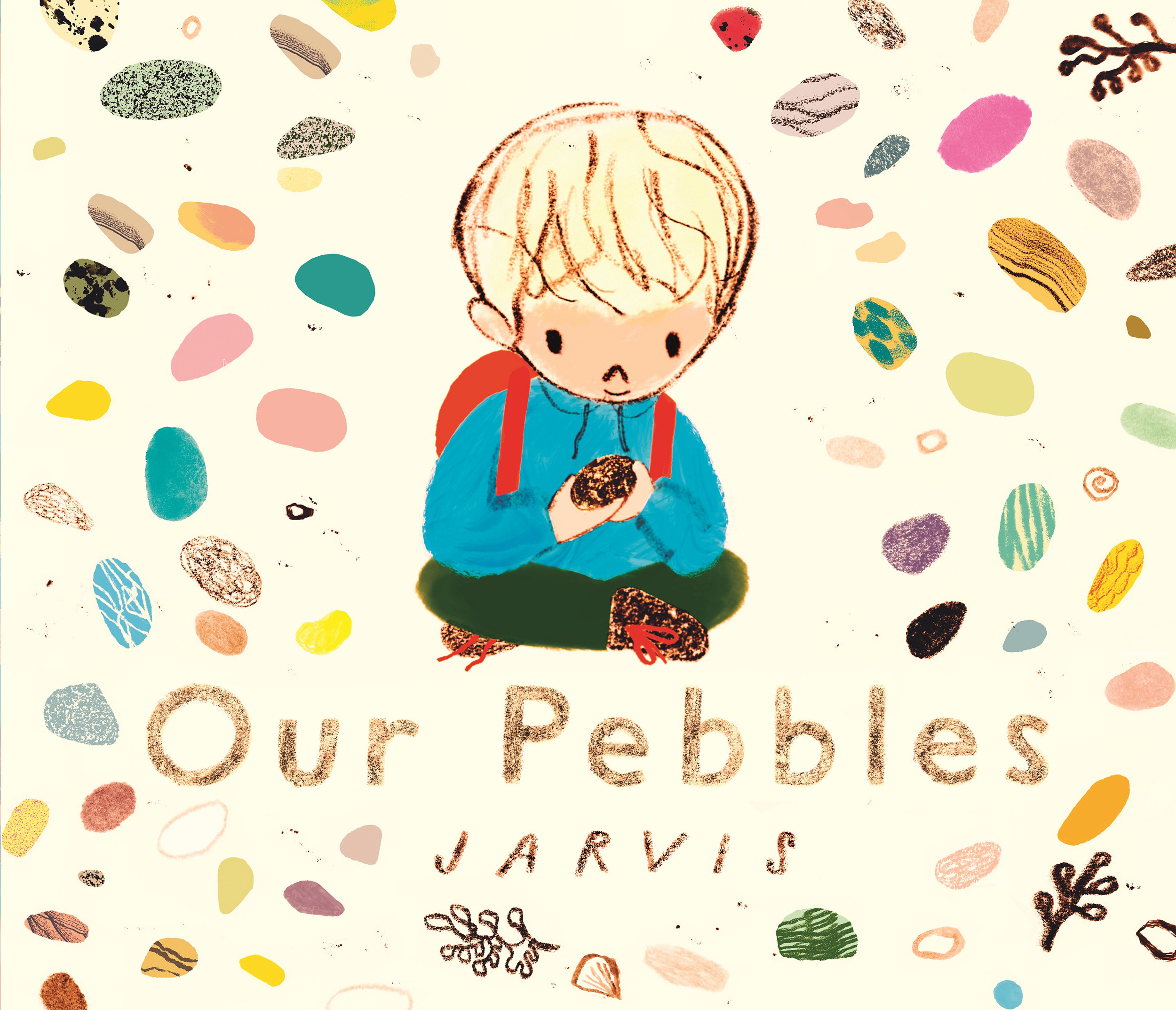
I learnt that so much of the storytelling experience is individually cultural and where we have a history for making very young picture book stories with authors and illustrators like Lucy Cousins, Chris Haughton and Helen Oxenbury, story book making in China veers closer to the older age range, and therefore the narratives structurally are often more complex than we would publish here. They also like their picture books to have a strong ‘message’ and for the narratives to be educational so that parents feel like they are investing in something valuable for their children.
What I especially loved the enthusiasm of the book industry over there and how open and willing everyone was to learn about how we made picture books here in the UK.
The Walker Picture Books Instagram channel has become a lively showcase for your authors and illustrators. How important is that kind of social engagement in supporting the wider creative and publishing process?
I actually run this Instagram! I set it up many years ago and run it with the help of our Editorial Assistant, Bonita, and senior editor, Alice, who posts the takeovers and cover reveals – between us, we keep it going. I like to think of it as a bit of a cultural archive and a way to keep a hold of all the work we do, the people we collaborate with and, most especially, to celebrate the creative process behind the books. Because things like the choosing of cover effects and studying test proofs and finessing handlettering – it’s exciting to see and I think it not only makes the books FEEL more valuable but it values the work that goes into a book. I didn’t want it to feel like we are selling the books, but rather, I suppose, selling the WAY we make books and to show the enthusiasm, love and care that goes into every title. And the fun we have doing it, too. After all, we ARE making books for CHILDREN! It’s important to tap into your silliness.
With picture books being such a visual medium, I wanted to create a space where we can showcase our artists and really lead with the imagery. I think, too, it makes the authors and illustrators feel attended to as it really helps give their books a great platform.
Illustrators featured on Childrensillustrators.com often ask what catches an editor’s eye beyond artistic ability. From your perspective, what qualities make an illustrator’s storytelling voice stand out?
It is a question I am asked a lot. I would say, for me, I can see that a lot of people create stories that they think that a publisher or editor wants to see. In my opinion, I have found that a story that comes from your truest identity will create a real response in your reader – in me! Really think hard about what you want your book to say. What do you want it to do? What do you want people to feel when they read it? What do you want people to take away with them – what will be the lasting images, the lasting text?
If you want to be more specific, I would say: an authentic storytelling voice, stories with humour and heart; something child-centric; a little musicality in the language…
And even more specific: it helps when I receive submissions to see that the author or illustrator has really considered our list – they have looked at what we do and have thought about how the story would fit in with our list. And, in a broader sense, it’s good to think about how your book fits in the marketplace.
Walker continues to launch exciting new titles such as The Tour by Katie Clapham and Nadia Shireen. What drew you to that project, and what does it say about the kind of picture books you’re keen to champion?
Katie Clapham has a REALLY great authorial voice – so many grown-ups writing as children sound like … adults pretending to be children. But she inhabits the voice of a child so authentically and it’s what drew me to this text straightaway. It is brimming over with character! And you really want to be best pals with the child at the centre of the book.
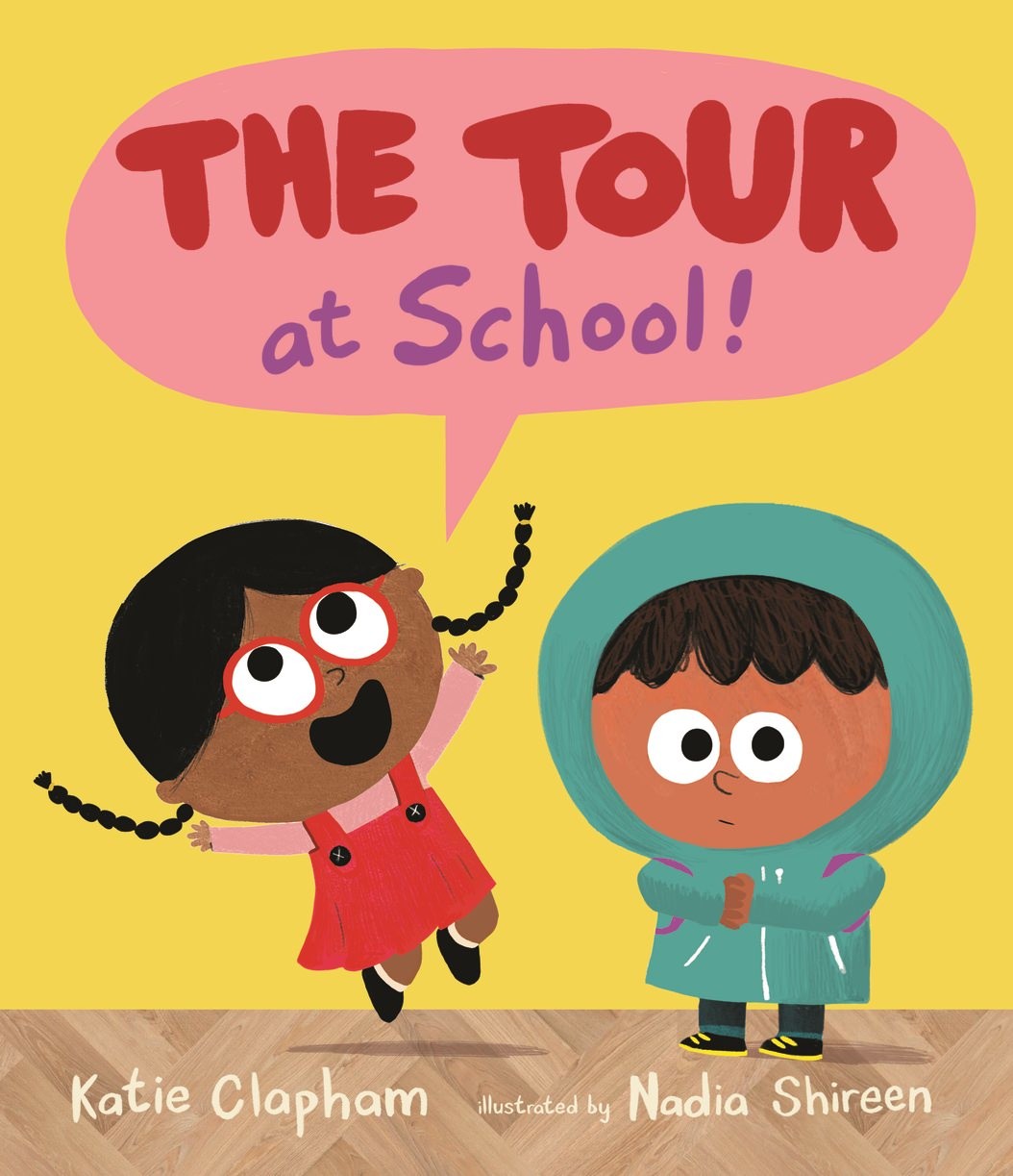
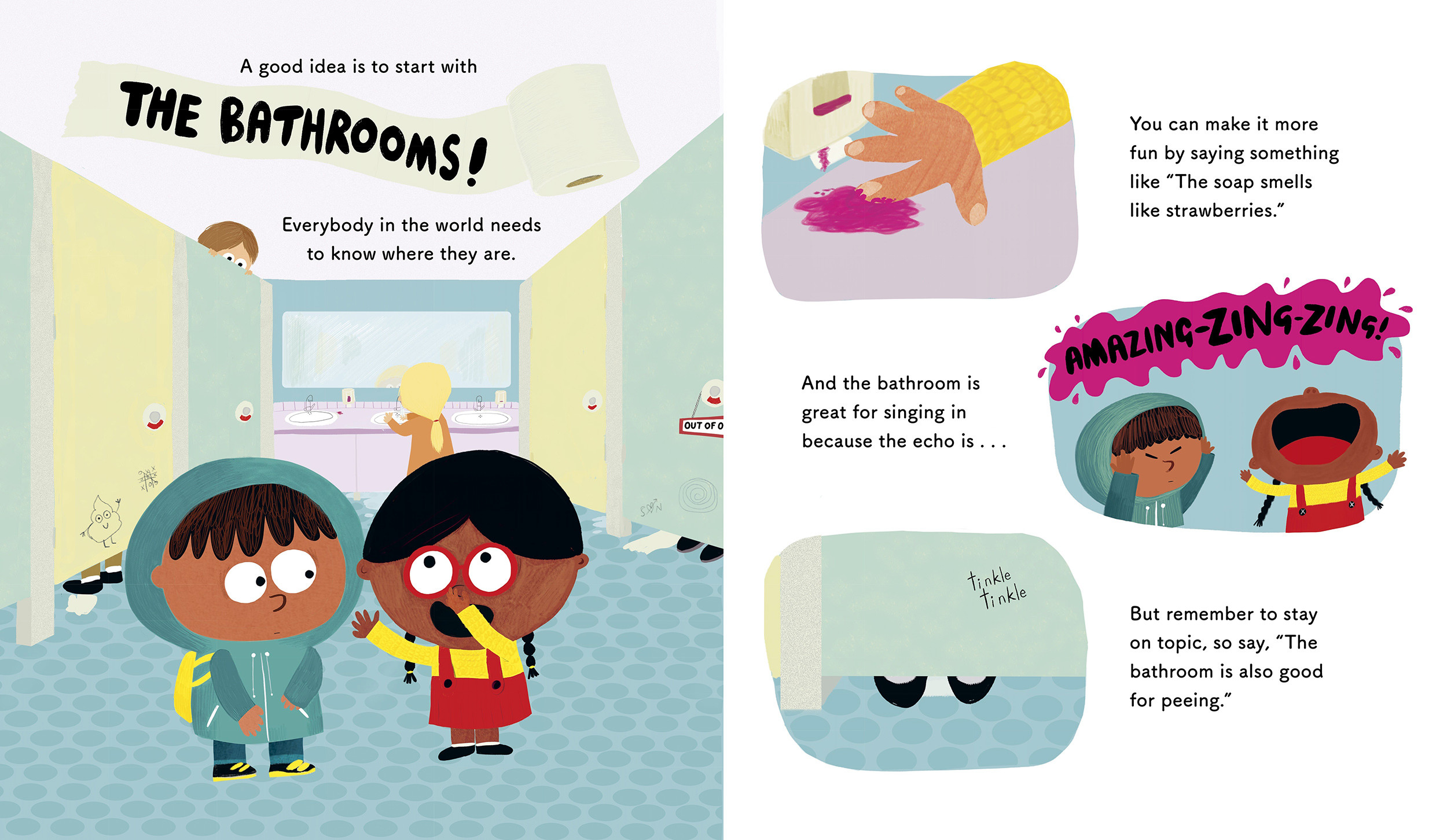
Helen Oxenbury writes that you can never be too much on the side of the child and Katie absolutely connects with the feeling of being a scared new kid and being the child who wants to make them feel good. She was easily able to transport herself into those moments. So few authors can do that! What a gift. She is such an exciting author.
Also, it is very FUNNY but full of heart, so it had all the feels for me.
I think this book reinforces a lot do what I’ve already said which is that we want to make books for children, that will connect with children, that feel authentic and VITAL.
Could you describe a recent picture-book collaboration where the relationship between text and illustration particularly inspired you? What made it special?
How could I choose?! It’s not VERY recent, but if I had to select just one… Making Can Bears Ski? with Raymond Antrobus and Polly Dunbar, which published in 2021, was a particularly unique bookmaking experience and one I value more and more with time.
I met Raymond on a train home after a literature festival. I'd seen him read his adult poetry the day before and was really in awe of his performance. (You can find picture book writers in many different places!) We had a little chat and then we started a creative conversation that went on for a few years before we published Can Bears Ski?.
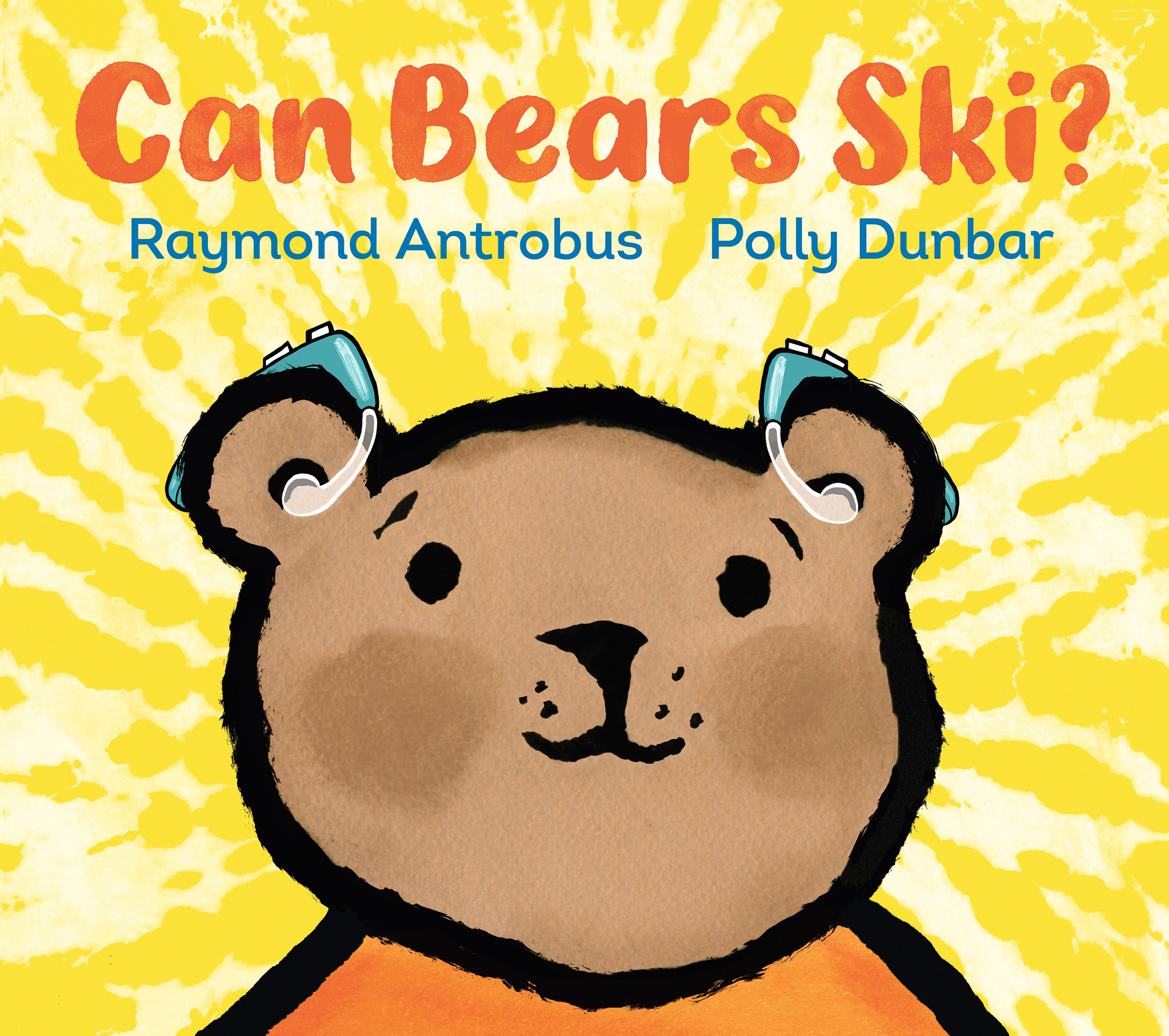
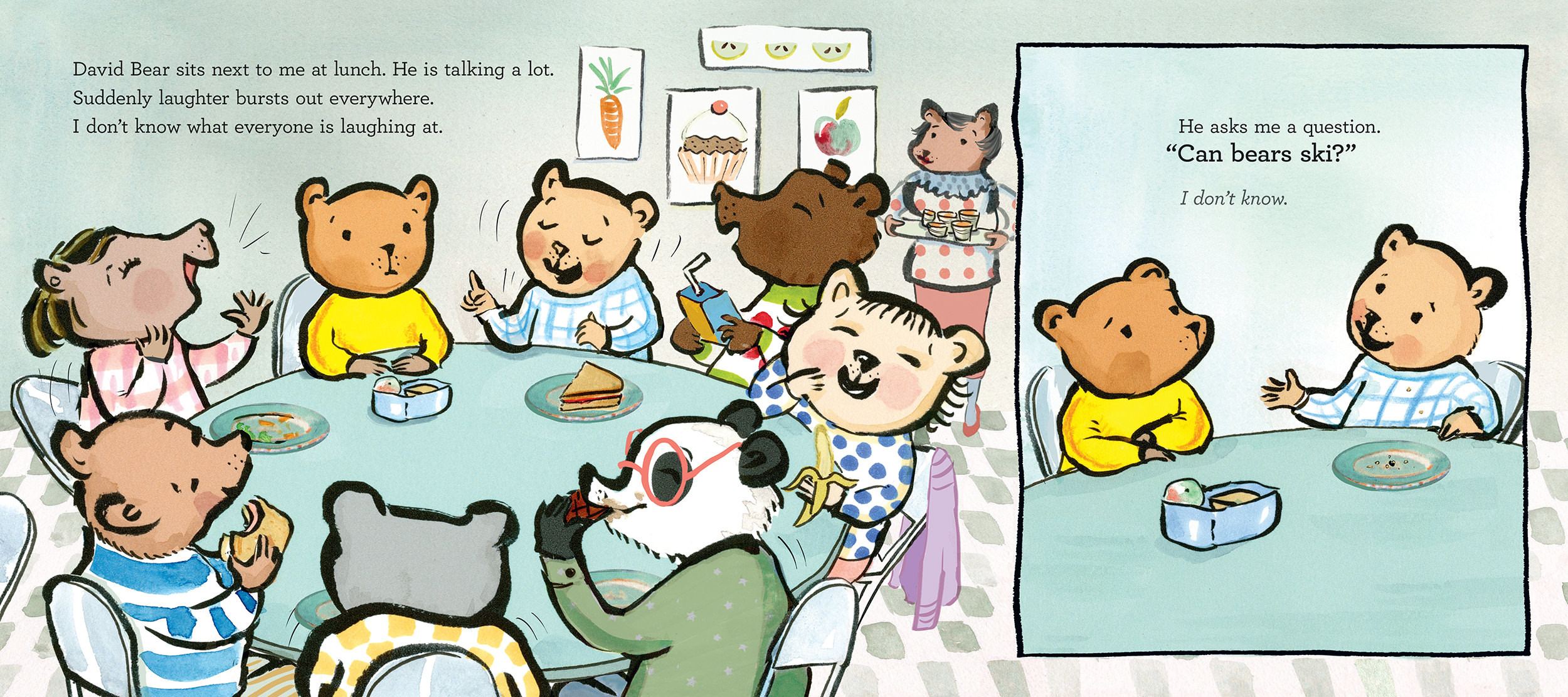
Can Bears Ski? was Raymond’s first picture book and it needed time to grow; he needed to figure out what he wanted to say. In the end, what he wanted to say was what he had hoped someone would have said to him as a child discovering and managing deafness and navigating a world beyond sound. We paired Raymond up with Polly Dunbar, a Walker favourite. It couldn't have been anyone else making the pictures for this book - she is such a sensitive and intelligent book maker who is also partially deaf. She and Raymond both wear hearing aids. It felt like a dream to bring them together.
This book means a lot because I could immediately see, looking at all the very strong emotional responses on social media and in reviews that this book, for a lot of people, was like they were being HEARD for the first time. Finally, someone had written their experience and understood what the world is like when you're not a part of the hearing world. When you experience sound differently. When you constantly mishear. When being alone, with your thoughts brings relief and you don’t have to try for a moment to strain, to struggle, to be included. I could see the power of two brilliant bookmakers, creating from a place of authenticity and pure feeling. That was a lovely feeling.
Can Bears Ski? went on to be featured on the national news, was in a Cornation Street plotline on deafness and it became the first book to be read in British Sign Language on TV and it is also now a stage play.
With your editorial role spanning both creative and strategic elements, how do you and the design team work together to ensure that each title feels distinctive yet unmistakably ‘Walker’?
A Walker book comes from a communion of an editor and a designer, of an author and an illustrator. It is not just about plonking a picture onto every page but about balancing the words and the images and both the positive and negative space visually on the page. It’s about SPACE – both real and imaginary. The weight and size and consideration of the type can do so much to enhance a storytelling experience and direct the reader’s eye. Every corner of the page – even if there is white space – has been tended to with consideration and care. The details, the details. *Chef’s kiss!*
I do think that teamwork is also very important, as well. The conversations that we have in our picture book department are incredibly valuable and our combined wisdom, and the way in which everyone is welcome to share their knowledge at the table, means that the books become loved by everyone, in a way.
How do you balance Walker’s heritage - with creators such as Helen Oxenbury, Michael Rosen and Bob Graham - with the need to nurture new voices and visual styles?
Walker’s heritage is a huge driving force behind our work, and it is a highly prized and valuable part of our list. Good stories made and crafted with care and attention will always be fashionable and books like Owl Babies, Farmer Duck, We’re going on a Bear Hunt and Guess How Much I Love You will always be wanted and needed; they are a testament to that ethos. We’ve seen books like Oh Dear, Look What I’ve got! absolutely storm the hardback picture book charts this autumn and it shows that people really want the comfort and the safety of trusted heritage bookmakers like Michael Rosen and Helen Oxenbury. We must always protect that.
But we must also build on this story heritage, too – extend it, in a way – and so we are also investing in and growing new storytellers who are already making lasting impressions in the picture book world: Chris Haughton, Briony May Smith, Emma Yarlett, Jarvis, Lucy Fleming, Flavia Z Drago, Philip Ardagh & Ben Mantle and their Sunny Town Bunnies series. We call these bookmakers our ‘New Heritage’.
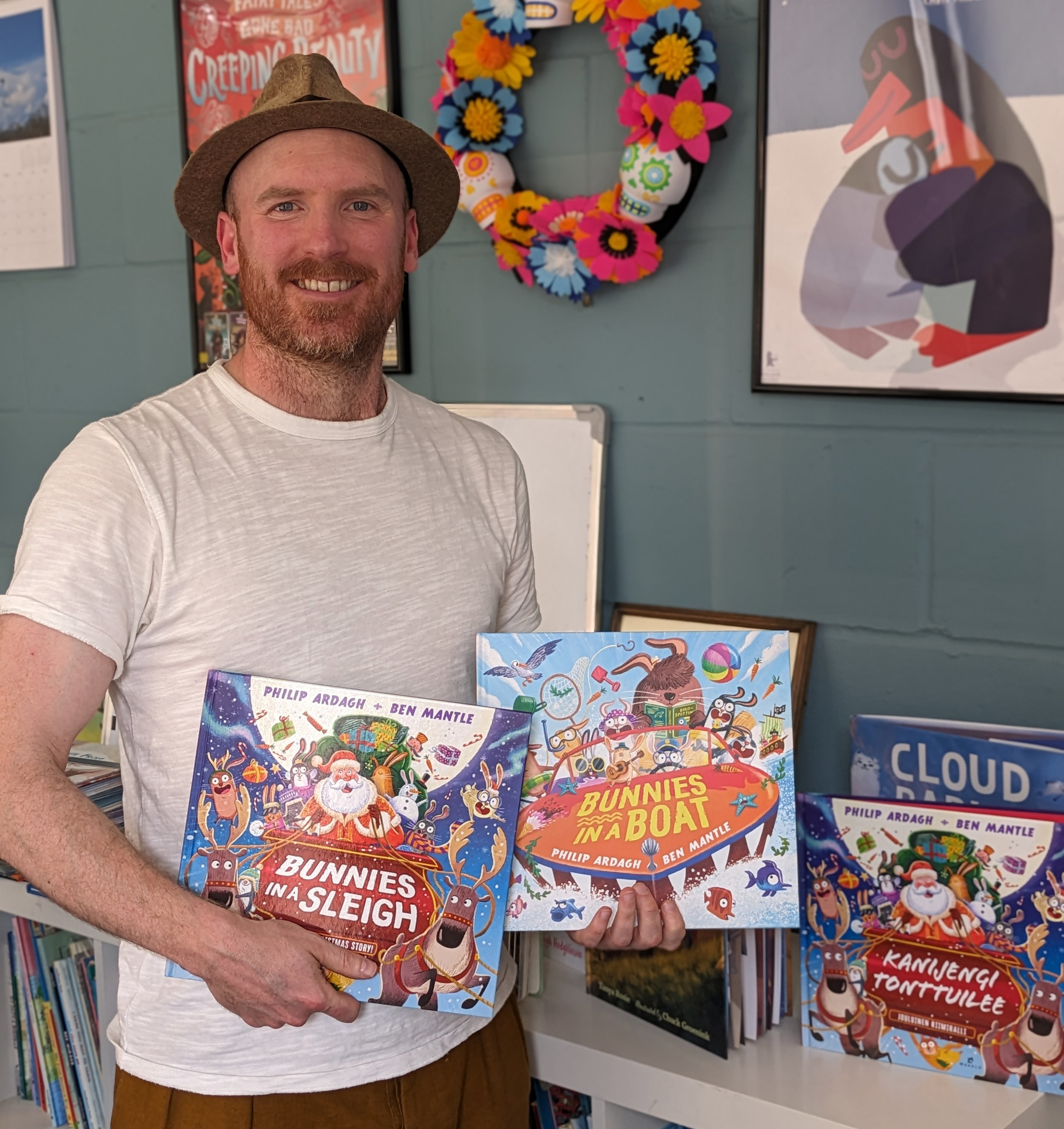
Importantly, we build our list – we work to ensure every book brings something different. We assess what books have done well, and why. We look for opportunities to grow series. This kind of list building comes from lots of combined experience and it’s how we can ensure NEW backlist who will themselves become the books that people turn to time and time again in the future. Chris Haughton is, already, a perennial picture book favourite and his books have become a very trusted go-to buy for small children.
For illustrators using Childrensillustrators.com to reach publishers, what kinds of themes or approaches are most aligned with Walker’s current picture-book direction?
I’m not sure if there is a specific theme or approach but, fundamentally, our picture book rule no 1 is … can a small child read it, without even understanding the words? Can they tell the story from the images? (Even if it is a different story to what is in the words!) If they can, you are onto a winner as it means everything is well balanced and clear.
Walker titles are often translated and published globally. What considerations come into play when developing books for international readerships?
Truthfully, making books in a difficult financial climate is always a gamble, and we don’t always get it 100% right internationally. Of course, the books you think will be a commercial success globally sometimes do not succeed and you can often be surprised by the ones that do!
Foreign publishers tend to come to Walker Books for our storytelling and for the high quality of words and pictures, so we continue to focus on that. General feedback is that concept books are something they can do themselves in-house, so we are less keen on them right now, unless it is something very new or groundbreaking. We've seen a real plethora of social emotional picture books in the wake of the pandemic, so publishers are now trying to steer a bit away from books that are specifically focused in managing emotions or developing strategies for social situations.
Some of most successful international books are character-led and have a gorgeous sense of a world in them – these books lend themselves well to series and for the many ways you can expand that world and foreign publishers are definitely attracted to that.
From your editorial seat, what trends or shifts are you seeing in picture-book storytelling or illustration that particularly excite you at the moment?
That is a good question, and I think stepping into my role as a book-buying parent certainly offers me perspective.
Consumers are definitely returning to cosy, familiar books and immersive miniature worlds. Jill Barklem, the author of Brambly Hedge, made sure every detail was right in her books – ensuring each flower had the correct number of petals and everything the mice did was plausible for their environment; making such a haven for little children to immerse themselves in. People are really returning, and craving, this trustworthy and welcoming space on the picture book page!
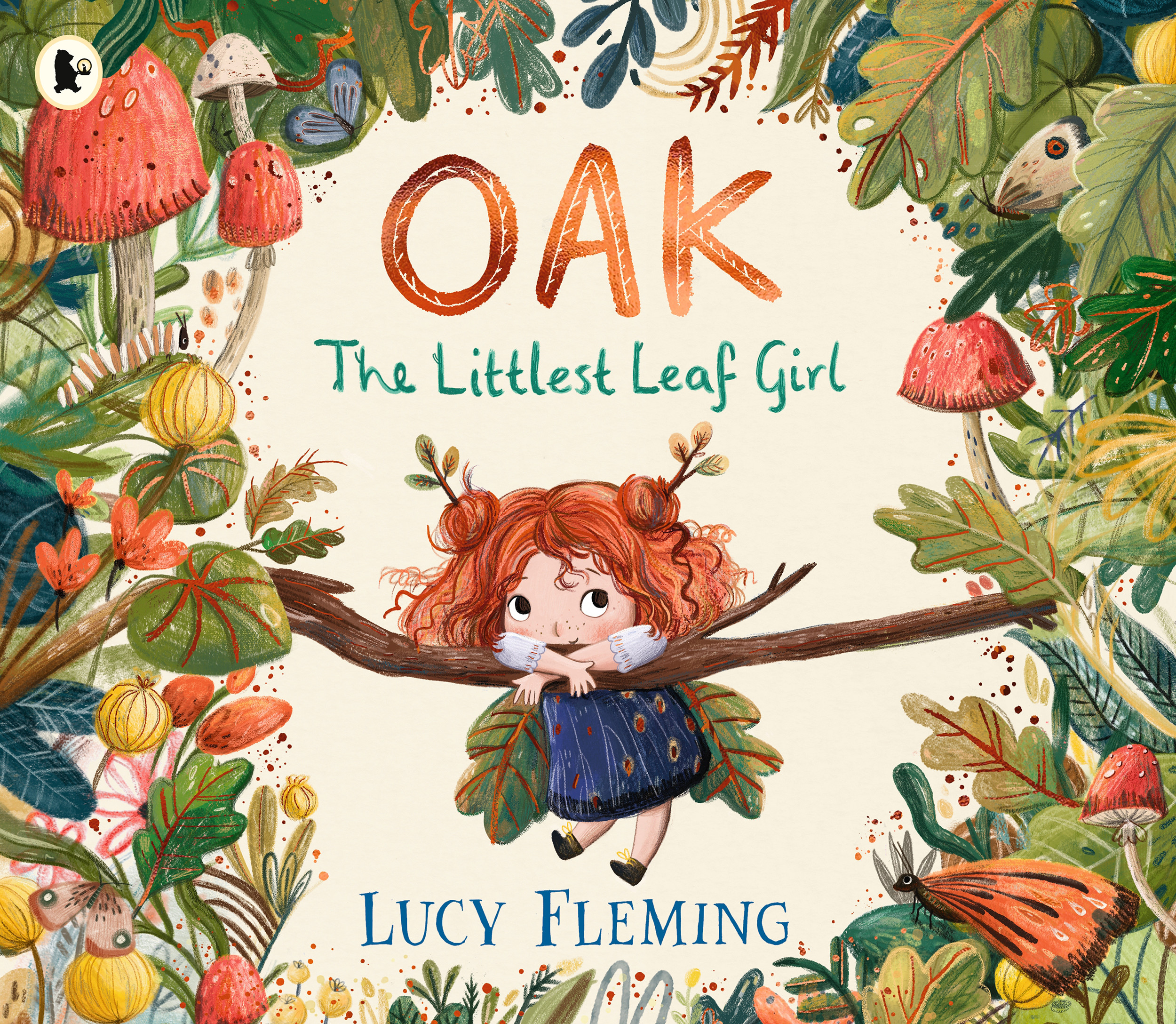
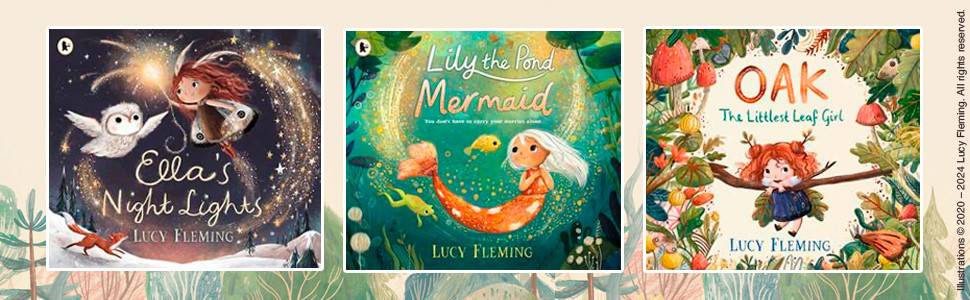
Lucy Fleming and Briony May Smith’s books do so well for us across the world (they are published into over 20+ languages) because they are, similarly, art-rich books set very much in nature with meticulous attention paid to the environment. They create worlds that feel real, safe and comforting to readers of all ages. The world is so stressful – it’s absolutely anxiety-inducing to even glance at the news – and so we want and need these sorts of books! I love them.
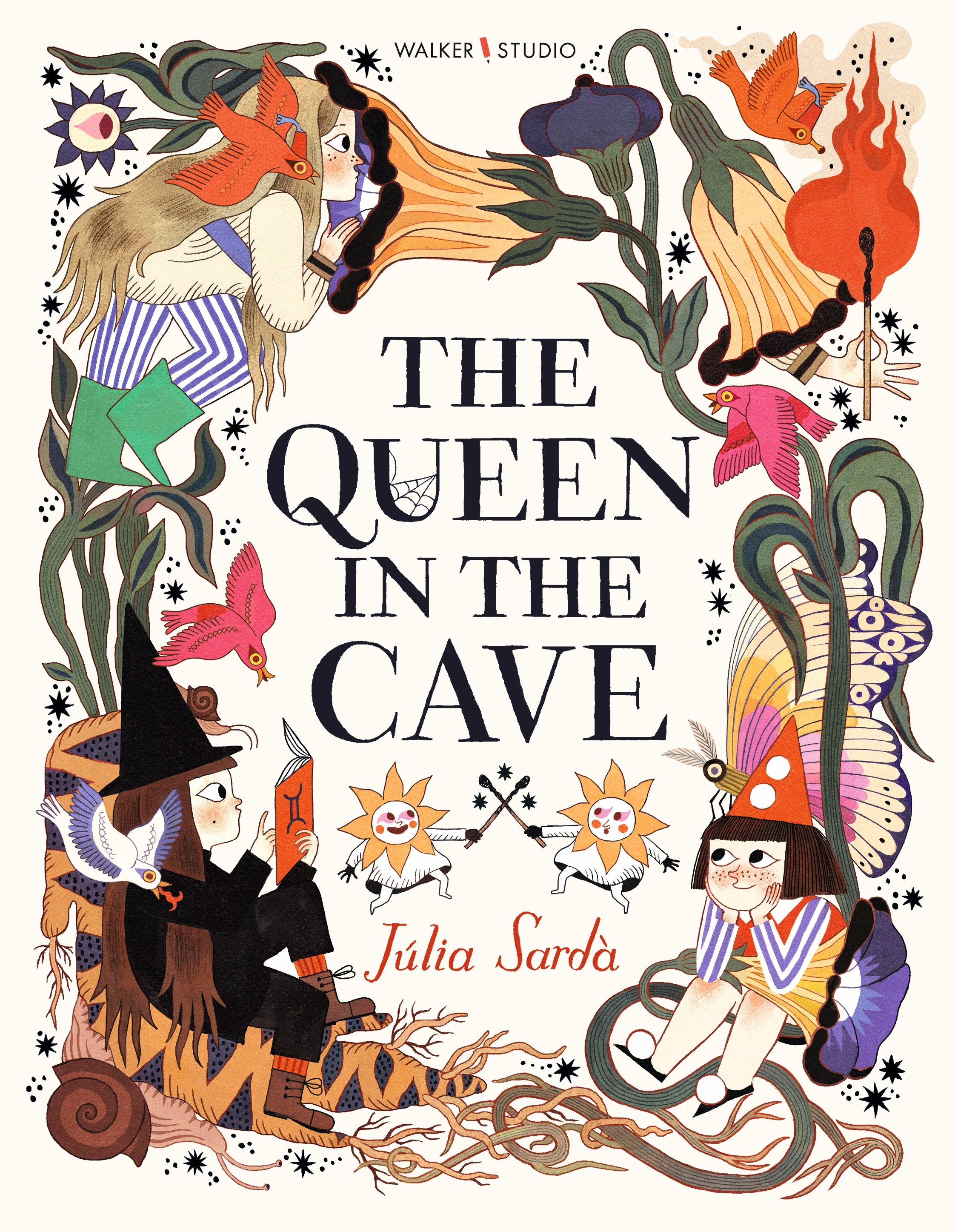
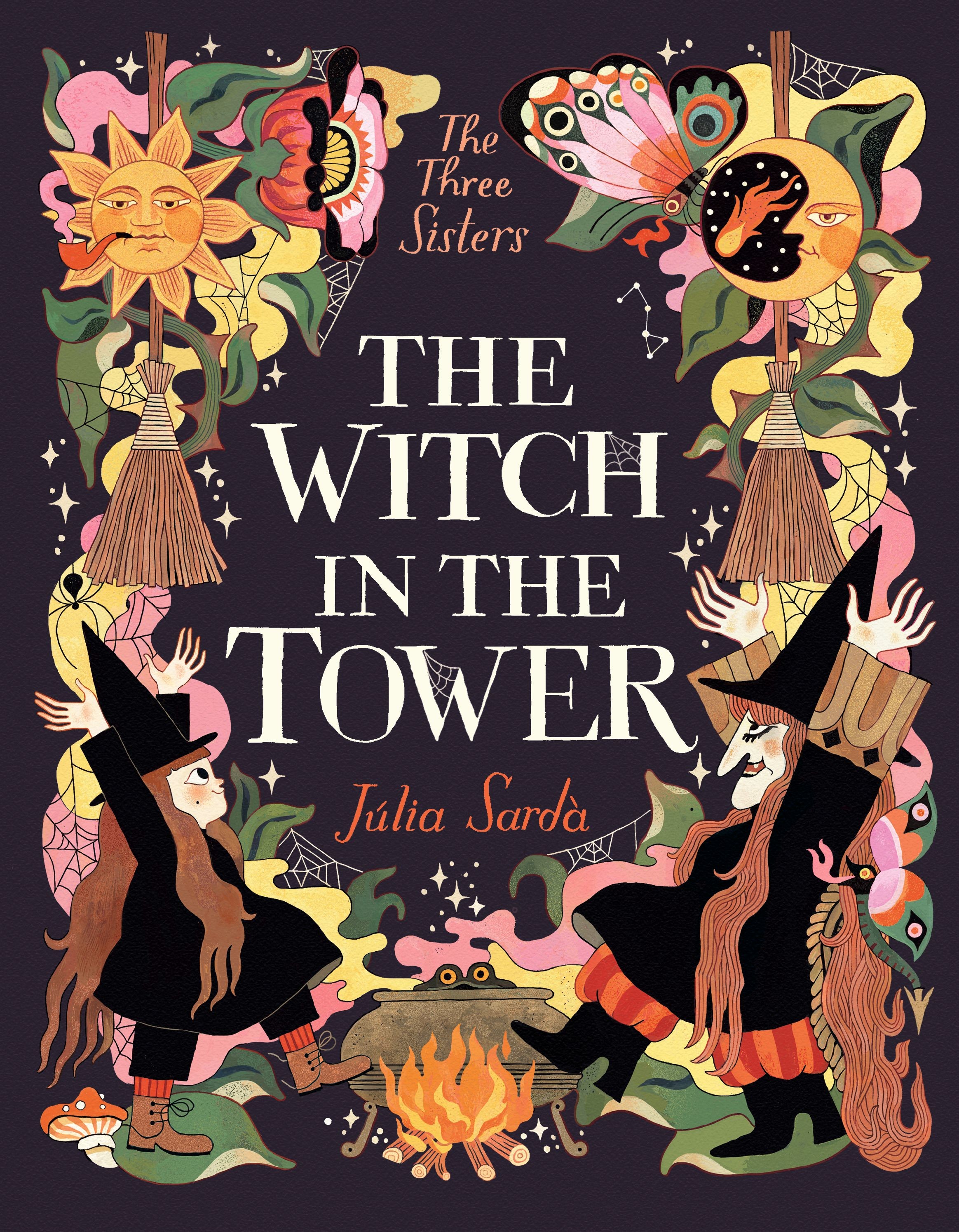
I am also really excited and invigorated by rule breakers like Steve McCarthy and Júlia Sardà who are making longer form picture books and who are also tackling themes and ideas that are so outside the usual realm of picture book making. Working with them both is just immense … their books are challenging but in a deeply satisfying way and kids (and adults!) really lose themselves in the stories.
I think these cinematic kinds of books are a very exciting picture book development.
What does a typical day look like for you - and at which stage of a book’s development do you feel most creatively engaged?
EVERY day is different. Isn’t that great? I go into our Vauxhall office two days a week and I love going in, I find it very invigorating. This past Tuesday, for example, this is what the shape of the day looked like: we had an editorial meeting in the morning and we looked at picture book submissions, went over the picture books schedules right up until the end of 2028 and discussed Bologna book fair titles. I also checked physical proofs; looked at cover designs for a new Flavia Z. Drago book with Anne-Louise, Flavia’s art director; I proofread the text for a new Lucy Fleming book; I copyedited a new picture book from Chris Priestly and Mariachiara di Giorgio; I helped troubleshoot an acquisition costing with an editor on my team; I debated the title for a new book from Chloe Savage.
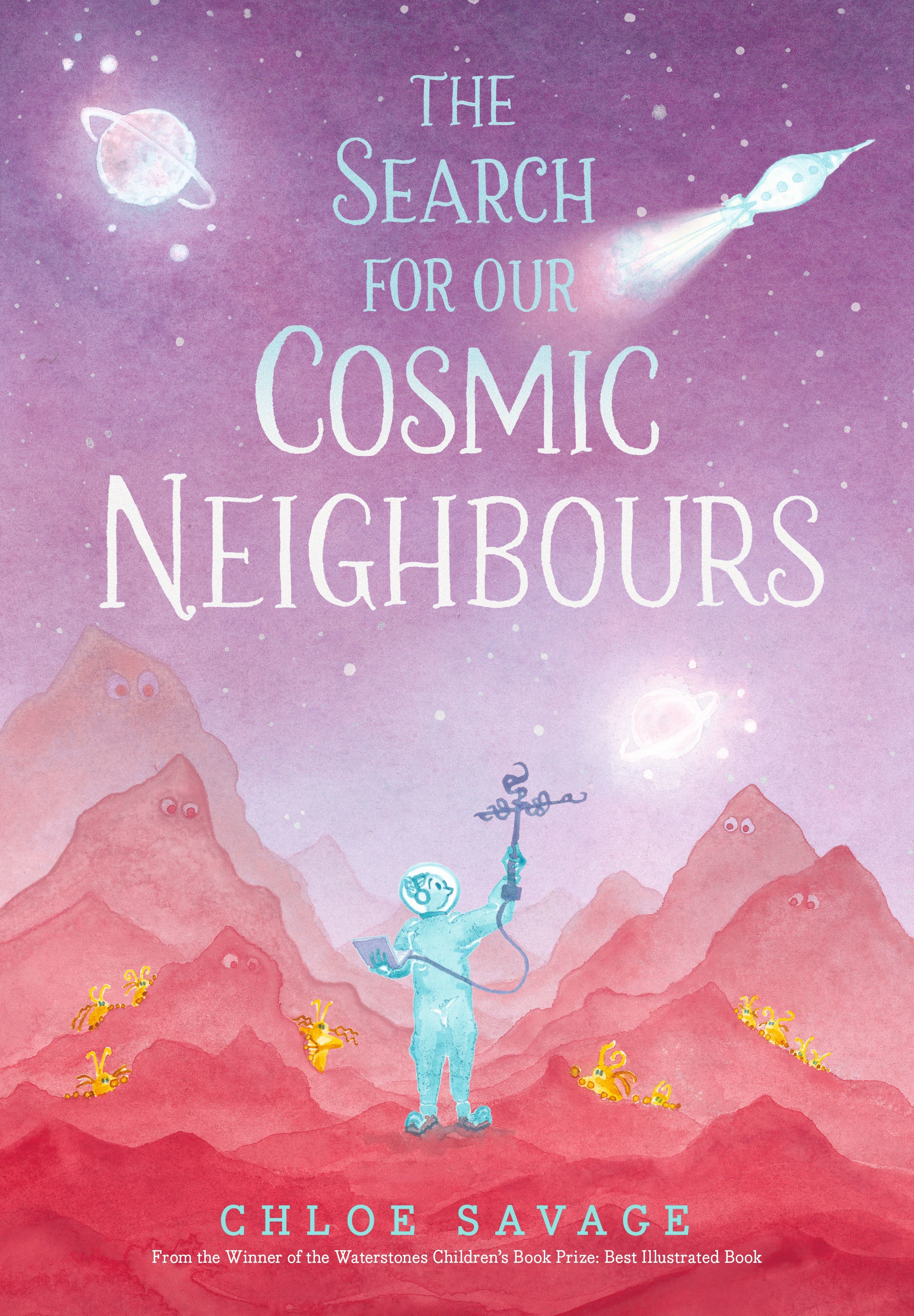
Over lunch, an art director on our team just had his first baby and so we had a LOT of baby talk! I also sat with the Senior Editor, Alice, and designer, Bianca, and looked at layouts for a brand-new debut author-illustrator book they are working on. (It’s insanely adorable, you’re going to love it.) We usually have authors and illustrators come in on Tuesday or Thursdays, which we enjoy a lot! In the past few weeks, we’ve had Erika Meza, Richard Jones, Jenny Lovlie, Chris Haughton, Emma Yarlett, Jackie Kay, Briony May Smith and a few other secret names...
I think I am most excited at the beginning of a book’s development, when the stories are still very much this LIVE thing being shaped and moulded. Collaborating with an author or authorial illustrator to come up with creative solutions for editorial problems is when I feel most creatively engaged. I met with Sean Taylor last week and we had SUCH a great meeting editing together reading out loud and making notes on the sketches for his new book (about a worm and a chicken!). When the text is just right, it has a kind of magic to it! And that magic is what attracts great artists to the list and makes everyone feel excited to make the book.
Finally, what one piece of advice would you give illustrators hoping to catch your editorial eye through Childrensillustrators.com?
In practical, real-life terms – keep your portfolio up to date. Make sure your portfolio shows a mixture of children and animals (if you can!). Show that you can do characters as well as scenes – so don’t just have your characters in static poses, have them express emotion and feel real on the page, have them engage with other characters or set them in a scene. Try and tell little stories in an image. Picture books run the whole gauntlet of emotion and it’s good to see that you are up to that challenge.